


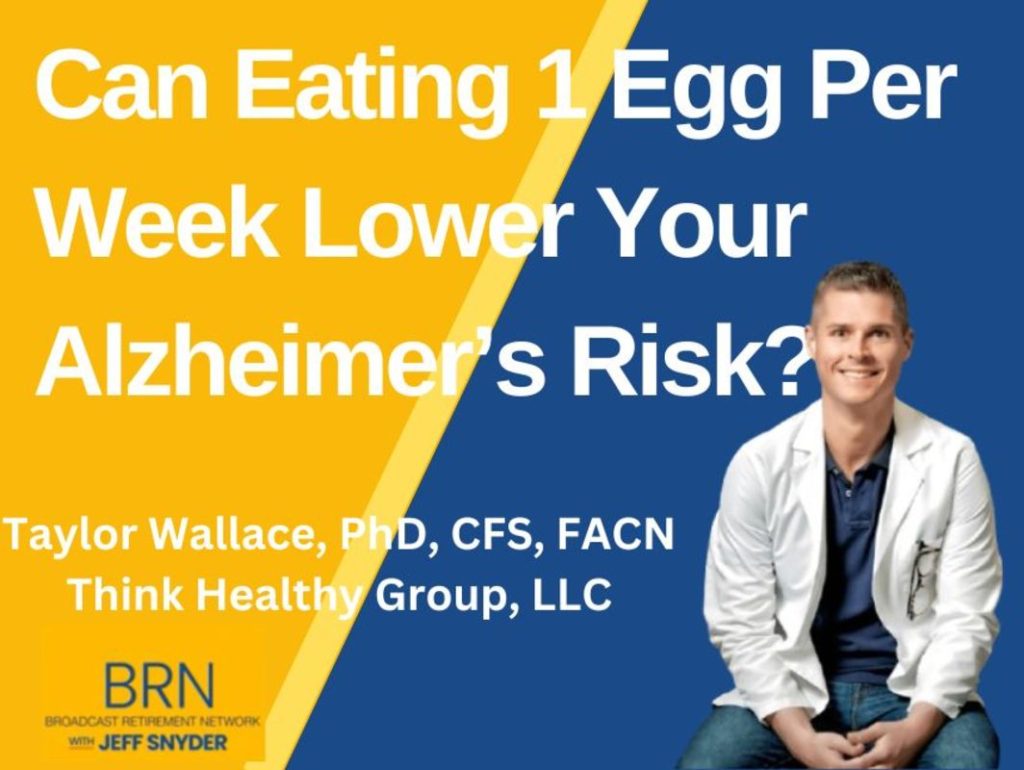
As the quest for longevity and health continues, a surprising dietary component has emerged as a potential ally in the fight against Alzheimer’s disease: eating eggs weekly, a practice that could significantly reduce the risk of this debilitating condition, sparking interest among health-conscious investors and retirees alike.
Key Takeaways
- Eating eggs weekly may help reduce the risk of Alzheimer’s disease due to their nutritional content, including choline, which is converted into acetylcholine in the brain, a neurotransmitter that plays a key role in memory and cognitive function.
- Jeffrey Snyder of the Broadcast Retirement Network and Dr. Taylor C. Wallace of Think Healthy Group, LLC, discuss the potential benefits of eggs in preventing Alzheimer’s, highlighting the importance of dietary choices in maintaining brain health.
- This emerging insight into the relationship between diet and cognitive health could have significant implications for investors in the healthcare and food industries, as well as for individuals planning for retirement and seeking to maintain their health and independence.
Eggs and Alzheimer’s: A Deep Dive
Eggs have long been a staple in many diets around the world, valued for their high protein content and versatility in cooking. However, their potential role in reducing the risk of Alzheimer’s disease is a more recent area of interest. According to discussions between Jeffrey Snyder and Dr. Taylor C. Wallace, the key to eggs’ potential benefits lies in their nutritional profile, particularly their high levels of choline. Choline is an essential nutrient that is converted into acetylcholine in the brain, a neurotransmitter crucial for memory and cognitive function. The depletion of acetylcholine is a hallmark of Alzheimer’s disease, suggesting that maintaining adequate levels of this neurotransmitter could play a role in preventing or slowing the progression of the disease.
Understanding Choline and Acetylcholine
Choline is a nutrient that is vital for various bodily functions, including the synthesis of the neurotransmitter acetylcholine. Acetylcholine is involved in many functions including muscle control, the regulation of the autonomic nervous system, and areas of cognitive function such as memory formation. The conversion of choline into acetylcholine highlights the importance of dietary choline intake for maintaining healthy acetylcholine levels in the brain, potentially offering a dietary strategy for reducing the risk of Alzheimer’s disease.
Context: Why This Matters Now
The interest in dietary components that could help prevent or manage Alzheimer’s disease is increasing due to the growing prevalence of the condition and the lack of effective treatments. As the global population ages, the number of people affected by Alzheimer’s is expected to rise significantly, placing a considerable burden on healthcare systems and economies. Therefore, identifying and promoting lifestyle factors, including diet, that could mitigate this risk is of paramount importance. The discussion around eggs and Alzheimer’s prevention comes at a time when there is a heightened awareness of the role of nutrition in health and a growing demand for foods and dietary patterns that support cognitive well-being and longevity.
Pros and Cons for Your Portfolio
- Risk: Investing in companies that produce or promote eggs and other choline-rich foods may carry risks associated with fluctuations in consumer preferences, regulatory changes affecting the food industry, and the potential for scientific findings to alter the perception of eggs’ health benefits.
- Opportunity: The emerging link between diet and cognitive health presents an opportunity for investors to support companies that are at the forefront of developing and marketing foods with potential health benefits, such as those high in choline. This could include not only egg producers but also companies involved in nutritional research, health food manufacturing, and healthcare services focused on preventive care and cognitive health.
What This Means for Investors
For investors, the connection between eating eggs weekly and a reduced risk of Alzheimer’s disease suggests a strategic perspective that considers the broader impact of dietary choices on health and the potential for companies in the food and healthcare sectors to benefit from growing consumer interest in health and wellness. Investors may want to consider diversifying their portfolios to include stocks in companies that are poised to capitalize on the trend towards healthier eating and preventive healthcare, while also being mindful of the potential risks and the need for ongoing scientific research to support the benefits of specific dietary components.
A Strategic Investment Approach
Imagine an investor who is looking to capitalize on the growing interest in health and wellness, particularly in relation to cognitive health and the prevention of Alzheimer’s disease. This investor might consider allocating a portion of their portfolio to companies involved in the production and distribution of choline-rich foods, such as eggs, as well as those conducting research into the nutritional aspects of cognitive health. By taking a long-term view and diversifying their investments across various sectors related to health and wellness, this investor could potentially benefit from the increasing demand for products and services that support healthy aging and disease prevention.

 Amazon’s Retro Portable DVD Player Now $40 on Sale
  S&P 500 Hits Critical Level: Is 7,000 The Danger Zone?
  Spring Cleaning Just Got Cheaper: Walmart’s $28 Portable Closet Organizer
  Valentine’s Day Sale: Walmart’s $170 Crystal Heart Bracelet Now $25
  Kate Spade $200 Mini Bag Now $79: 6 Colors Available
  Palantir Billionaire Backs SpaceX and xAI Merger