


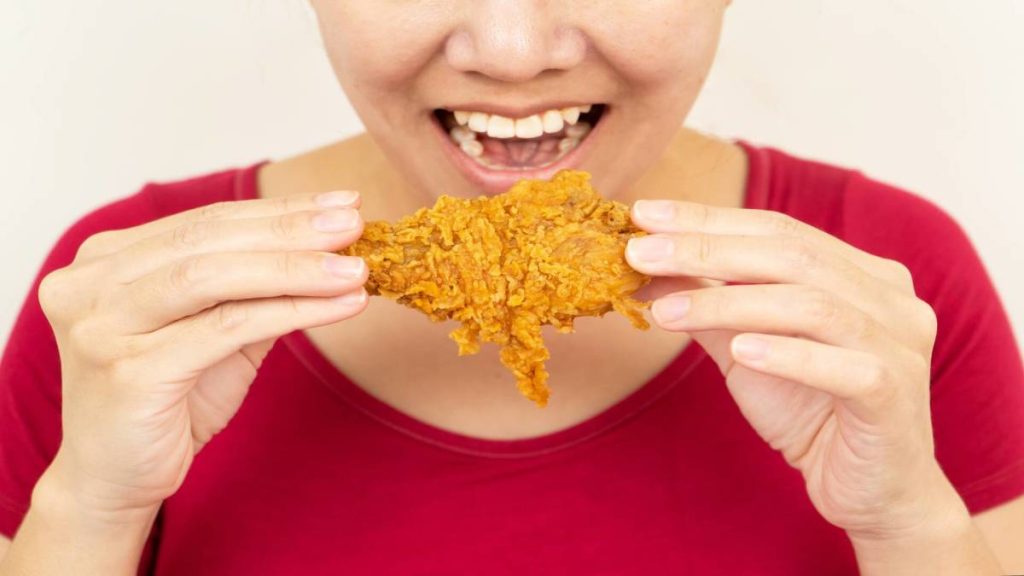
The US fried chicken market, once a booming sector, has hit a snag with a major chain filing for Chapter 11 bankruptcy protection, leaving investors and consumers alike wondering what this means for the future of the industry.
Key Takeaways
- The fried chicken industry has experienced rapid growth over the past decade, largely due to the success of Popeyes’ chicken sandwich launched in August 2019.
- This growth triggered a “chicken sandwich war” among fast-food chains, leading to increased competition and market saturation.
- The bankruptcy filing of a major US fried chicken chain may signal a market correction, with potential implications for investors and the broader fast-food industry.
Deep Dive into the Fried Chicken Industry
The fried chicken industry’s recent success can be attributed to the innovative marketing and product strategies employed by key players like Popeyes. The launch of their chicken sandwich in 2019 sparked a wave of competition, with other chains like Chick-fil-A and KFC scrambling to keep up. This competitive landscape has led to increased menu innovation, marketing efforts, and store expansions, ultimately driving growth in the sector.
However, this rapid expansion has also led to market saturation, increased competition for customer dollars, and rising operational costs. Imagine an investor who bought into the fried chicken craze early on; they may have seen significant returns, but now face uncertainty as the market begins to correct. Inflation has also played a role, as higher food and labor costs have squeezed profit margins for these chains, making it harder for them to maintain profitability.
Context: Why This Matters Now
The current economic climate, marked by rising inflation and changing consumer preferences, has created a challenging environment for the fried chicken industry. Similar to the 2008 crash, where over-leveraged companies were disproportionately affected, the fried chicken sector’s rapid expansion has left some chains vulnerable to market downturns. The COVID-19 pandemic has also accelerated changes in consumer behavior, with more people opting for delivery and take-out, further pressuring traditional brick-and-mortar models.
Historically, the fast-food industry has been resilient, but the pace of change and the level of competition in the fried chicken sector are unprecedented. As investors, it’s essential to understand the underlying factors driving this trend and how they may impact portfolio performance. The bankruptcy filing of a major fried chicken chain serves as a wake-up call, prompting a reevaluation of investment strategies in the sector.
Pros and Cons for Your Portfolio
- Risk: Overexposure to the fried chicken industry could lead to significant losses if the market continues to correct. Investors should carefully assess their holdings and consider diversifying their portfolios to mitigate potential downsides.
- Opportunity: The shakeout in the fried chicken industry may create opportunities for well-positioned chains to acquire struggling competitors, expand their market share, and consolidate their position in the sector. Investors who can identify these opportunities may be able to capitalize on the market correction.
What This Means for Investors
Given the current market dynamics, investors should adopt a cautious approach when considering investments in the fried chicken sector. It’s essential to conduct thorough research, analyzing the financial health, competitive positioning, and growth prospects of individual chains. A strategic perspective would involve identifying chains with strong brand loyalty, innovative marketing strategies, and a robust operational framework, as these are more likely to weather the market correction and emerge stronger.
Investors may also consider exploring related sectors, such as food delivery or meal kit services, which have benefited from the pandemic-driven shift in consumer behavior. By taking a nuanced and informed approach, investors can navigate the challenges and opportunities presented by the fried chicken industry’s market correction, ultimately making more informed decisions for their portfolios.

 2025 Grocery Shopping Trends: How Consumers Are Revolutionizing Buying Habits
  50% Off Winter Wear: Flannels, Jackets, and More on Sale
  Cathie Wood Invests $10M in Breakthrough Tech Stock
  Starbucks Cuts 13 Drinks: What’s Behind the Menu Shakeup
  Top 5 New Cars to Avoid Overpaying For, Warns Consumer Reports
  Qualcomm Stock Price Target Revised Ahead of Earnings Report