


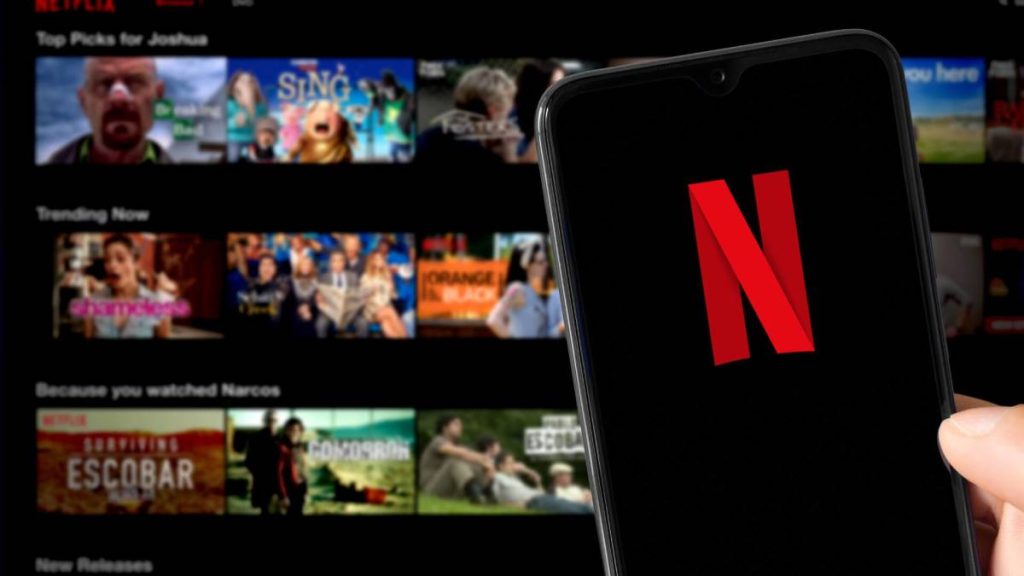
As Netflix faces a significant challenge in maintaining customer satisfaction with its growing subscriber base of 325 million, investors are keenly watching the top issues that are driving cancellations, which could have a ripple effect on the entire streaming industry.
Key Takeaways
- Netflix’s massive growth has led to increasing challenges in customer satisfaction, mirroring the experiences of other large corporations like McDonald’s in the quick-service restaurant sector.
- The streaming giant is not alone in its struggles, as many companies face similar issues when scaling up their operations and subscriber bases.
- Understanding the reasons behind Netflix subscriber cancellations can provide valuable insights for investors looking to navigate the complex and highly competitive streaming market.
Netflix’s Growth and Challenges: A Deep Dive
When a business grows significantly, the challenges multiply proportionally, a concept often referred to as scalability issues. Maintaining customer satisfaction is one thing when you have a smaller subscriber base, and another thing entirely when you have hundreds of millions of customers. In the context of Netflix, this means dealing with a vast and diverse user base, each with their own preferences and expectations.
Imagine an investor who bought Netflix stock a few years ago, hoping to capitalize on the company’s rapid growth. As the subscriber base expanded, so did the company’s revenues, but the challenges in maintaining customer satisfaction also increased. This is similar to what happened during the 2008 financial crisis, where companies that had grown rapidly found it difficult to adapt to changing market conditions.
Context: Why This Matters Now
The current economic environment, characterized by inflation and changing consumer behavior, is making it even more challenging for companies like Netflix to maintain customer satisfaction. Inflation, in this context, refers to the increase in prices of goods and services, which can lead to decreased consumer spending power and a decrease in the perceived value of a service like Netflix. As consumers become more price-sensitive, they are more likely to cancel their subscriptions if they do not feel they are getting value for their money.
Historically, companies that have been able to adapt to changing market conditions and maintain customer satisfaction have been the ones that have thrived in the long term. For example, during the 2021 tech boom, companies that were able to innovate and provide value to their customers were able to capitalize on the growth opportunities presented by the pandemic.
Pros and Cons for Your Portfolio
- Risk: One potential downside of investing in Netflix is the risk of subscription cancellations, which could lead to a decline in revenues and profitability. This risk is heightened in an economic environment characterized by inflation and changing consumer behavior.
- Opportunity: On the other hand, Netflix’s challenges also present an opportunity for investors who are looking to capitalize on the company’s potential for growth and innovation. If Netflix is able to adapt to changing market conditions and maintain customer satisfaction, it could lead to significant returns on investment.
What This Means for Investors
So, what should investors do? The key is to take a strategic perspective and consider the potential risks and opportunities presented by Netflix’s challenges. Investors who are looking to buy or hold Netflix stock should carefully consider the company’s ability to adapt to changing market conditions and maintain customer satisfaction. They should also keep an eye on the company’s financials and be prepared to adjust their investment strategy if necessary.
Ultimately, the decision to buy, sell, or hold Netflix stock depends on an investor’s individual financial goals and risk tolerance. However, by understanding the challenges facing Netflix and the potential risks and opportunities presented, investors can make informed decisions that align with their investment strategy. As the streaming industry continues to evolve, it will be important for investors to stay up-to-date on the latest developments and be prepared to adapt their investment strategy as needed.

 Skechers Slip-In Boots Now $45 at Macy’s: Limited Time Offer
  Kate Spade Valentine’s Day Bangle: $99 Sparkly Bracelet Now $39
  Energy Giant Slams $20 Billion Dividend Growth Bet
  Intel CFO’s Stark Warning: $250,000 Investment Alert After Crash
  Palantir Earnings Alert: Immigration Bombshell Unfolds
  $200 Wireless Earbuds Now Just $20 on Amazon