


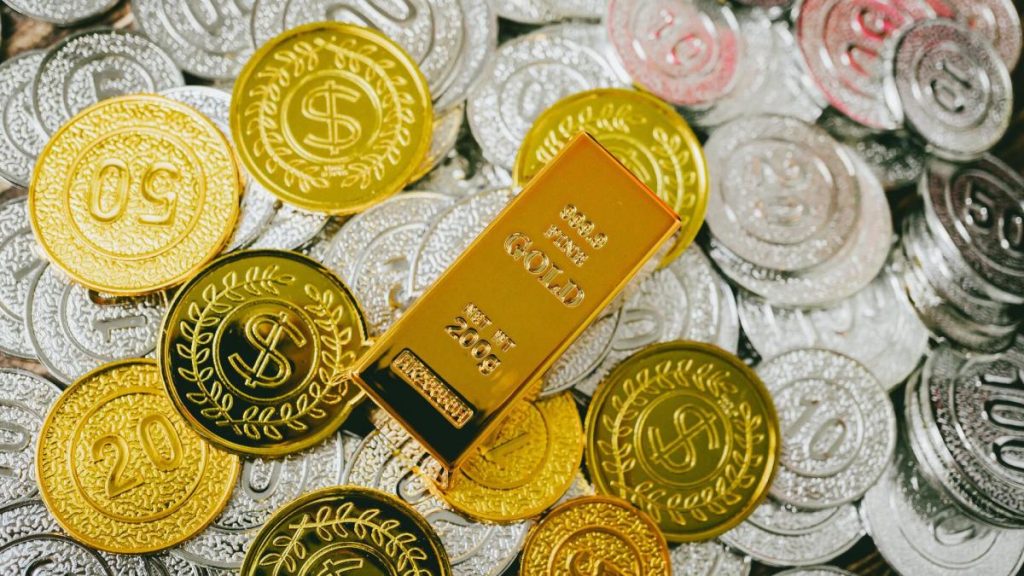
The recent surge in gold and silver prices has been a welcome development for investors, but the surprise decision by President Donald Trump to nominate inflation hawk Kevin Warsh as the next Fed Chairman has sparked a rally in the U.S. Dollar, putting the brakes on the gold and silver rally, leaving many to wonder what’s next for these precious metals.
Key Takeaways
- The nomination of Kevin Warsh as the next Fed Chairman has led to a rally in the U.S. Dollar, negatively impacting gold and silver prices.
- Inflation expectations play a significant role in the price movement of gold and silver, with higher inflation leading to higher prices for these metals.
- Investors need to consider the potential implications of a strong U.S. Dollar and rising interest rates on their gold and silver holdings.
Gold and Silver Price Movement: A Deep Dive
The price of gold and silver is influenced by a variety of factors, including inflation expectations, interest rates, and the value of the U.S. Dollar. When inflation is expected to rise, investors often turn to gold and silver as a hedge, driving up their prices. Conversely, when the U.S. Dollar strengthens, it can make gold and silver more expensive for foreign investors, leading to a decrease in demand and a subsequent drop in prices.
Imagine an investor who bought gold at $1,200 per ounce, expecting the price to rise due to inflationary pressures. If the U.S. Dollar were to strengthen, making gold more expensive for foreign investors, the investor may see the value of their gold holdings decrease, even if inflation expectations remain high. This highlights the complex relationship between gold and silver prices, inflation, and the U.S. Dollar.
Context: Why This Matters Now
The current economic environment is characterized by low unemployment, rising wages, and increasing inflation expectations, which would normally be positive for gold and silver prices. However, the nomination of Kevin Warsh as the next Fed Chairman has introduced a new variable into the equation, as he is known for his hawkish stance on inflation. This has led to a rally in the U.S. Dollar, which in turn has put downward pressure on gold and silver prices. Similar to the 2013 taper tantrum, when the Fed’s decision to scale back its quantitative easing program led to a surge in the U.S. Dollar and a drop in gold and silver prices, the current situation highlights the importance of considering the broader economic context when making investment decisions.
Historically, the price of gold and silver has been influenced by the actions of the Federal Reserve, with expansionary monetary policies leading to higher prices for these metals. However, with the current economic expansion showing signs of maturity, the Fed may be more likely to take a hawkish stance, which could lead to higher interest rates and a stronger U.S. Dollar, negatively impacting gold and silver prices.
Pros and Cons for Your Portfolio
- Risk: A stronger U.S. Dollar and rising interest rates could lead to a decline in gold and silver prices, negatively impacting investors who have invested in these metals as a hedge against inflation.
- Opportunity: If inflation expectations continue to rise, gold and silver prices could surge, providing a potential upside for investors who are willing to take on the risk of holding these metals in a portfolio.
For example, an investor who allocates 10% of their portfolio to gold and silver may be able to hedge against inflation, but they also need to consider the potential risks, such as a decline in prices due to a strong U.S. Dollar. On the other hand, an investor who is underweight in gold and silver may be missing out on a potential opportunity for growth, if inflation expectations continue to rise.
What This Means for Investors
Given the current market conditions, investors need to take a strategic approach to their gold and silver holdings. This may involve diversifying their portfolio to include other assets that can provide a hedge against inflation, such as real estate or commodities. Investors should also consider the potential implications of a strong U.S. Dollar and rising interest rates on their gold and silver holdings, and be prepared to adjust their portfolio accordingly.
Ultimately, the key to navigating the complex relationship between gold and silver prices, inflation, and the U.S. Dollar is to stay informed and adapt to changing market conditions. By considering the potential pros and cons of holding gold and silver in a portfolio, and taking a strategic approach to investment decisions, investors can make informed choices that align with their investment goals and risk tolerance.

 Nike Running Shoes on Sale for $68: Perfect for Race Day to Recovery
  83-Year-Old Pizza Giant Shut Downs Over 100 Locations
  Tech Stocks Plummet as Anthropic AI Makes Surprise Move
  Amazon Stock Price Target Reset: Earnings Impact Ahead
  Investing in Sports Teams: A New Asset Class Emerges
  Rising Threat to High-Value Collectibles: Fake Cards Exposed