


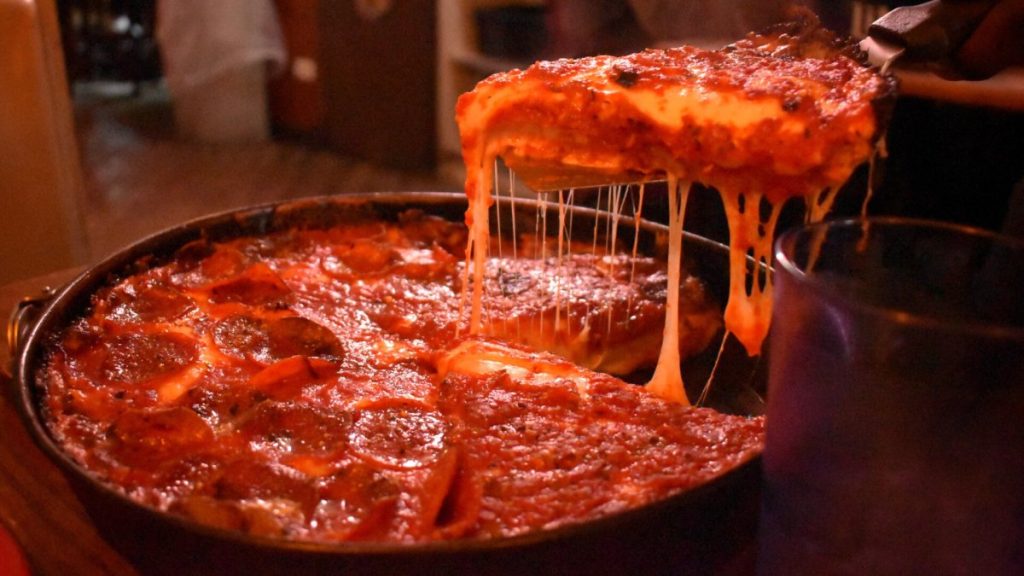
The sudden shutdown of over 100 locations by an 83-year-old pizza giant has sent shockwaves through the industry, leaving investors and customers alike wondering what this means for the future of Chicago-style pizza outside of its hometown.
Key Takeaways
- The pizza giant, known for its Chicago-style deep-dish pizza, has been struggling to expand its market beyond its core customer base.
- The shutdown of over 100 locations is a significant blow to the company, which has been a staple in the pizza industry for over eight decades.
- This move raises questions about the viability of Chicago-style pizza in other markets, particularly in regions where thinner-crust pizza is more popular.
Deep Dive: The Challenges of Expanding a Regional Brand
Selling Chicago-style pizza outside of Chicago has always been a challenge, as the company has discovered. The brand’s signature deep-dish pizza, with its thick crust and thick layers of cheese and toppings, is a far cry from the thinner-crust pizzas that dominate other markets. For example, in cities like Boston, where thinner-crust pizza chains like Pizzeria Regina, Papa Gino’s, and Santarpio’s are incredibly popular, the idea of deep-dish pizza can seem like an entirely different food.
Imagine an investor who bought into the pizza giant’s expansion plans, hoping to capitalize on the growing demand for artisanal and gourmet pizzas. They might have seen the potential for the brand to bring its unique style of pizza to new markets, but they would have also had to consider the risks of expanding a regional brand into unfamiliar territory. Market research would have been crucial in determining the viability of such a venture, including understanding local consumer preferences and the competitive landscape.
Context: Why This Matters Now
The shutdown of over 100 locations by the pizza giant is not an isolated incident, but rather a symptom of a larger issue facing the restaurant industry as a whole. With rising inflation, which refers to the increase in prices of goods and services over time, restaurants are facing increased costs for ingredients, labor, and other expenses. This can make it difficult for them to maintain profitability, particularly in a competitive market where consumers have many options for dining out.
Similar to the 2008 crash, which saw a significant downturn in the restaurant industry, the current market is experiencing a shift in consumer behavior. With more people opting for delivery and takeout, restaurants are having to adapt to a new reality. The pizza giant’s struggles to expand its market beyond its core customer base are a prime example of this challenge. Economic indicators, such as GDP growth and consumer spending, would suggest that the industry is due for a correction, and the pizza giant’s shutdowns may be just the beginning.
Pros and Cons for Your Portfolio
- Risk: The shutdown of over 100 locations by the pizza giant could be a sign of a larger trend in the restaurant industry, where regional brands struggle to expand into new markets. This could have a ripple effect on other companies in the industry, making it a risky investment opportunity.
- Opportunity: On the other hand, the pizza giant’s struggles could present an opportunity for other companies to fill the gap in the market. Investors who are looking to capitalize on the growing demand for artisanal and gourmet pizzas might consider investing in companies that are better positioned to expand into new markets.
What This Means for Investors
So, what does this mean for investors? In the short term, it may be wise to exercise caution when it comes to investing in the pizza giant or other regional brands that are struggling to expand into new markets. However, for investors who are looking to capitalize on the growing demand for artisanal and gourmet pizzas, there may be opportunities to invest in companies that are better positioned to succeed in this market. A diversified portfolio that includes a mix of established brands and up-and-coming companies may be the best way to mitigate risk and capitalize on opportunities in the industry.
Ultimately, the key to success in the restaurant industry is to be able to adapt to changing consumer preferences and market trends. Investors who are able to identify companies that are well-positioned to thrive in this environment may be rewarded with strong returns on their investment. As the pizza giant’s shutdowns demonstrate, however, even established brands can struggle to expand into new markets, making it essential for investors to do their due diligence and carefully consider their investment options.

 Nike Running Shoes on Sale for $68: Perfect for Race Day to Recovery
  Tech Stocks Plummet as Anthropic AI Makes Surprise Move
  Amazon Stock Price Target Reset: Earnings Impact Ahead
  Investing in Sports Teams: A New Asset Class Emerges
  Rising Threat to High-Value Collectibles: Fake Cards Exposed
  Gold and Silver Prices Surge: Key Technical Signal Fires