


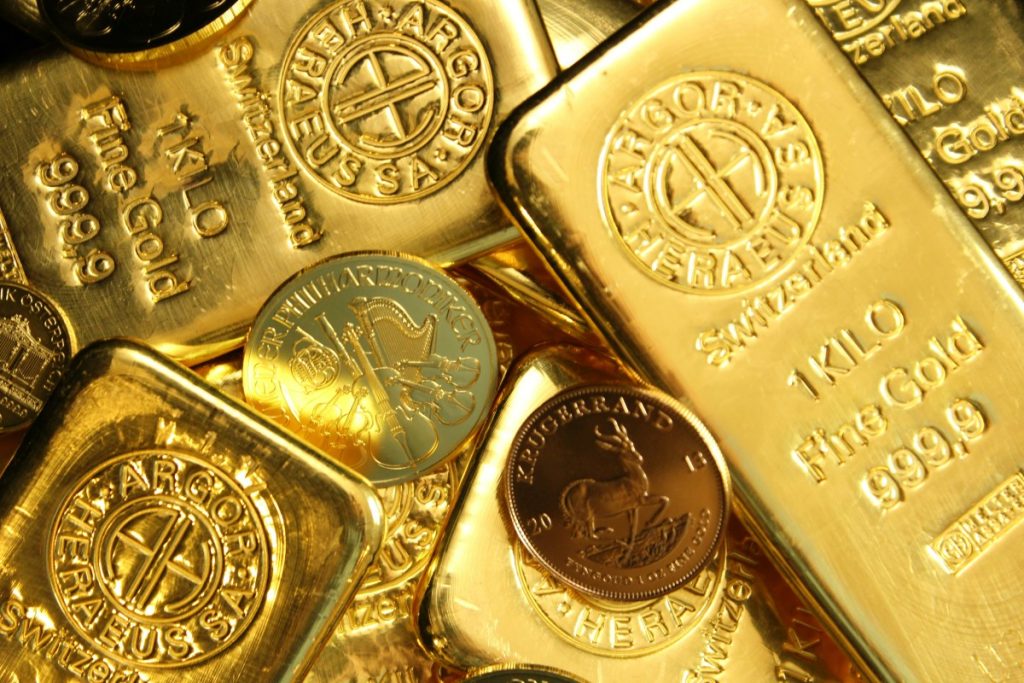
Despite a tumultuous day that saw gold prices drop by over 10%, with futures briefly falling more than 11% on January 30, Deutsche Bank remains steadfast in its prediction that gold can reach its target price through 2026, a stance that underscores the complexity and resilience of the gold market.
Key Takeaways
- Deutsche Bank’s unwavering stance on its gold price target suggests a long-term bullish outlook on the precious metal.
- The significant one-day fall in gold prices, the steepest since the early 1980s, indicates high volatility in the market.
- Investors are faced with a critical decision regarding whether to hold, buy, or sell gold, given the conflicting signals from the market and financial institutions.
Gold Market Dynamics: A Deep Dive
The gold market is known for its volatility, and the recent drop in prices is a stark reminder of this characteristic. Gold is often seen as a hedge against inflation, which works by investors buying gold as its value tends to increase when the purchasing power of the dollar decreases due to inflation. This means that when inflation rises, the price of gold typically follows, making it an attractive investment for those seeking to protect their wealth from the eroding effects of inflation.
Context: Why This Matters Now
The current economic environment, with its mix of rising interest rates, geopolitical tensions, and concerns over global economic growth, contributes to the volatility in the gold market. Historically, similar conditions have led to increased investment in gold as a safe-haven asset. For instance, during the 2008 financial crisis, gold prices surged as investors sought safer investments. Today, with the global economy facing numerous challenges, the appeal of gold as a stable store of value is once again in the spotlight.
Historical Precedents and Future Outlook
Similar to the 2008 crisis, the current market conditions, including the impact of COVID-19 on global economies and the ongoing geopolitical tensions, could continue to drive interest in gold. The prediction by Deutsche Bank that gold can reach its target price through 2026 suggests a belief in the metal’s enduring value despite short-term fluctuations. This long-term perspective is crucial for investors considering gold as part of their portfolio.
Pros and Cons for Your Portfolio
- Risk: Investing in gold comes with the risk of significant price volatility, as evidenced by the recent drop. This volatility can result in substantial losses if not managed properly, making it essential for investors to have a clear strategy and risk tolerance.
- Opportunity: On the other hand, gold offers a potential hedge against inflation and a safe-haven during economic uncertainty, making it a valuable diversification tool for portfolios. Its ability to perform well during times of crisis can provide a buffer against losses in other investments.
What This Means for Investors
Given the current market conditions and the stance of major financial institutions like Deutsche Bank, investors should approach the gold market with a long-term perspective. It’s crucial to weigh the potential benefits of gold as a hedge against economic volatility and inflation against the risks of price fluctuations. A strategic approach might involve diversifying a portfolio with a mix of assets, including gold, to mitigate risk while potentially capitalizing on its upside. Ultimately, whether to buy, sell, or hold gold depends on an investor’s individual financial goals, risk tolerance, and investment horizon.
Investment Strategies
For those considering investing in gold, it’s essential to do so as part of a well-diversified portfolio. This could involve allocating a portion of investments to gold or gold-related assets, such as mining stocks or gold ETFs, while maintaining a balanced portfolio with other asset classes. Additionally, investors should keep abreast of market trends and economic indicators that could influence gold prices, adjusting their strategy as needed to maximize returns and minimize losses.
Conclusion
In conclusion, the recent volatility in gold prices and the steadfast prediction by Deutsche Bank underscore the complexities and opportunities in the gold market. As investors navigate this landscape, a deep understanding of the factors influencing gold prices, combined with a well-thought-out investment strategy, will be crucial in making informed decisions. Whether gold reaches its target price through 2026 or not, its role as a significant asset in investment portfolios is unlikely to diminish, given its historical performance as a store of value and hedge against economic uncertainty.

 Roku Streaming Stick HD Now $16: Amazon Limited Time Offer
  Valentines Day Savings: Loft’s 70% Off Jewelry Sale
  Disney Fans Left Stranded as Bus Company Abruptly Shuts Down
  Walmart’s Cozy Winter Boots Now $25: 4 Colors Available
  SoFi CEO Shocks Investors With Blowout Earnings Surprise
  Unbeatable Deal: Walmart’s 11-Inch Tablet Now $120