


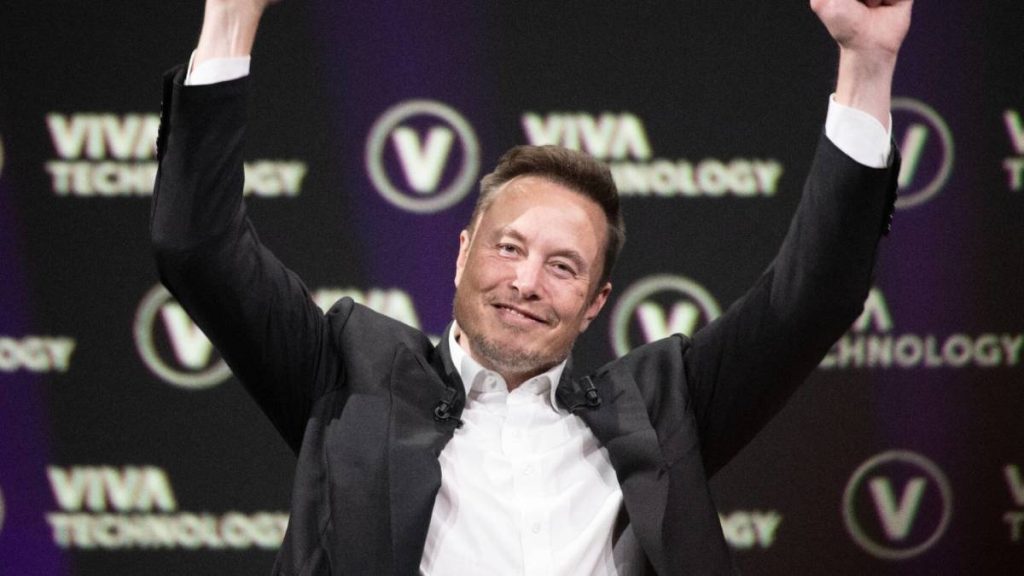
As the global economy continues to grapple with uncertainty, billionaire Elon Musk’s recent comments on retirement savings have sparked a heated debate among financial experts, with some arguing that his views are misguided and others seeing them as a wake-up call for investors to rethink their strategies in the face of rising inflation and market volatility.
Key Takeaways
- Elon Musk, the world’s wealthiest individual, has expressed skepticism about the need for traditional retirement savings, sparking a debate among financial experts.
- His comments have been met with counterarguments from experts who emphasize the importance of saving for retirement, especially during times of economic uncertainty.
- The discussion highlights the complexities of retirement planning and the need for investors to consider multiple perspectives and strategies in achieving their long-term financial goals.
Elon Musk’s Retirement Savings Warning: A Deep Dive
Elon Musk’s net worth, estimated to be almost $700 billion or more, places him in a unique financial position that may not be relatable to the average investor. His views on retirement savings, therefore, must be considered in the context of his extraordinary wealth and entrepreneurial success. Musk’s skepticism towards traditional retirement savings approaches may stem from his experiences as a tech mogul who has continually reinvented himself and his businesses, potentially seeing retirement as a less relevant concept.
However, for the vast majority of investors, retirement savings are a critical component of long-term financial planning. The concept of compound interest and the power of consistent, long-term savings are fundamental principles that underpin most retirement strategies. Imagine an investor who starts saving $5,000 annually at the age of 25, with an expected annual return of 7%. By the time this investor reaches 65, they could have accumulated a significant retirement nest egg, assuming consistent savings and investment returns.
Context: Why This Matters Now
The current economic environment, marked by rising inflation and interest rates, adds complexity to retirement planning. Inflation, in this context, refers to the rate at which prices for goods and services are increasing, which can erode the purchasing power of savings over time. Historically, periods of high inflation have presented challenges for investors seeking to grow their wealth while preserving its purchasing power. Similar to the 2008 financial crisis, the COVID-19 pandemic has accelerated changes in the global economy, forcing investors to adapt their strategies to mitigate risks and capitalize on opportunities.
The backdrop of economic uncertainty underscores the importance of diversified investment portfolios and robust retirement savings strategies. Investors must consider the potential impact of market volatility on their investments and plan accordingly. This might involve allocating assets across different classes, such as stocks, bonds, and real estate, to balance risk and potential returns.
Pros and Cons for Your Portfolio
- Risk: Ignoring traditional retirement savings advice and adopting an overly aggressive investment strategy in pursuit of higher returns could expose investors to significant market risk, potentially leading to substantial losses if the market declines.
- Opportunity: On the other hand, embracing a long-term perspective and diversifying investments can provide growth opportunities, helping investors build a substantial retirement fund that keeps pace with or outperforms inflation.
What This Means for Investors
Investors should approach Elon Musk’s comments with a critical eye, recognizing both the insights and the limitations of his perspective. While his entrepreneurial spirit and ability to innovate are undeniable, his views on retirement savings may not be applicable to all. A balanced approach, considering both the potential for long-term growth and the need for risk management, is likely the most prudent strategy for most investors. This might involve diversification of assets, consistent savings, and periodic portfolio rebalancing to ensure alignment with changing financial goals and risk tolerance.
Ultimately, the decision on how to manage retirement savings should be based on individual circumstances, financial goals, and risk tolerance. Investors would be wise to consult with financial advisors to craft a personalized plan that accounts for the complexities of the current economic environment and the timeless principles of saving and investing. By doing so, they can navigate the challenges and opportunities presented by today’s markets, working towards securing a stable and prosperous financial future.

 Limited-Time Offer: Apple Watch Series 11 $100 Off at Amazon
  U.S. Restaurant Franchisee Files for Chapter 11 Bankruptcy Protection
  AMD Stock Price Target Reset: Earnings Impact Revealed
  Top-Rated Farmhouse Table Lamps on Sale for $40 with Prime
  Dremel Cordless Drill on Sale: $50 Instead of $99 for DIY Projects
  Walmart’s $500 Adirondack Patio Set Now $220: Limited Time Offer