



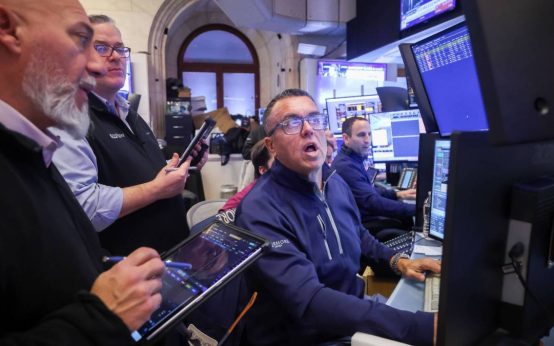
The US stock market took a significant hit on February 5, 2026, as the S&P and Nasdaq plummeted due to surprise layoff data and Alphabet’s overspending, leaving investors reeling and wondering what’s next for their portfolios.
Key Takeaways
- The S&P and Nasdaq experienced a sharp decline due to unexpected layoff announcements and concerns over Alphabet’s spending.
- This downturn has raised concerns about the overall health of the US economy and the potential impact on investor portfolios.
- Investors are advised to exercise caution and consider the potential risks and opportunities presented by this market shift.
Market Volatility: A Deep Dive
The recent market volatility was triggered by the unexpected layoff data, which caught investors off guard and led to a wave of selling in the stock market. Furthermore, Alphabet’s overspending has sparked concerns about the company’s ability to manage its finances effectively, adding to the market’s downward pressure. Imagine an investor who had a significant portion of their portfolio allocated to tech stocks, including Alphabet; they would likely be feeling the pinch of this market downturn.
Historically, similar market fluctuations have occurred in response to unexpected economic data or company announcements. For instance, during the 2008 financial crisis, the market experienced a significant downturn due to the housing market bubble bursting, leading to widespread job losses and a recession. In contrast, the 2021 tech boom saw the market surge due to the growth of tech companies and the rise of remote work. The current market situation is a reminder that investors must be prepared for unexpected events and have a well-diversified portfolio to mitigate potential losses.
Context: Why This Matters Now
The current market volatility is a result of a combination of factors, including the surprise layoff data and concerns over Alphabet’s spending. The layoff data has raised concerns about the overall health of the US economy, as it may indicate a slowdown in economic growth. Additionally, Alphabet’s overspending has sparked concerns about the company’s ability to manage its finances effectively, which could have a ripple effect on the entire tech industry. The inflation rate, which has been relatively stable in recent months, may also be impacted by the current market volatility, as a decline in consumer spending could lead to lower inflation.
The US economy has been experiencing a period of growth, but the recent market volatility has raised concerns about the potential for a slowdown. The unemployment rate has been at historic lows, but the surprise layoff data has raised concerns about the potential for job losses. Investors are advised to keep a close eye on economic indicators, such as the GDP growth rate and the consumer price index, to gauge the overall health of the economy.
Pros and Cons for Your Portfolio
- Risk: The current market volatility presents a potential downside for investors, particularly those with a significant allocation to tech stocks. A decline in the value of these stocks could result in significant losses for investors.
- Opportunity: On the other hand, the current market volatility also presents an opportunity for investors to buy stocks at a discounted price. Investors who are willing to take on more risk may be able to capitalize on the potential for long-term growth in the tech industry.
What This Means for Investors
Investors are advised to exercise caution in the current market environment and consider the potential risks and opportunities presented by the market volatility. A well-diversified portfolio, which includes a mix of stocks, bonds, and other assets, can help mitigate potential losses. Investors should also keep a close eye on economic indicators and company announcements to stay informed about the potential impact on their portfolios. In terms of strategy, investors may consider a long-term approach, focusing on the potential for growth in the tech industry, or a short-term approach, focusing on capitalizing on the current market volatility.
Ultimately, the key to navigating the current market volatility is to stay informed, be prepared, and have a well-thought-out investment strategy. By doing so, investors can minimize potential losses and capitalize on the opportunities presented by the market. As the market continues to evolve, investors must remain vigilant and adapt their strategies to stay ahead of the curve.

 $200B AI Bill Exposes Mag 7’s Brutal Reality Check
  35-Year Burger Joint Closes: What Went Wrong Suddenly
  Tesla’s Iconic Design Feature Axed Amid New Safety Rules
  Walmart Hits $1T Valuation on Strength of Affluent Shoppers
  Walmart’s $28 Jewelry Set: 3-Piece Luxury for Under $30
  Roku Unveils Major Free Upgrade: What You Need to Know