


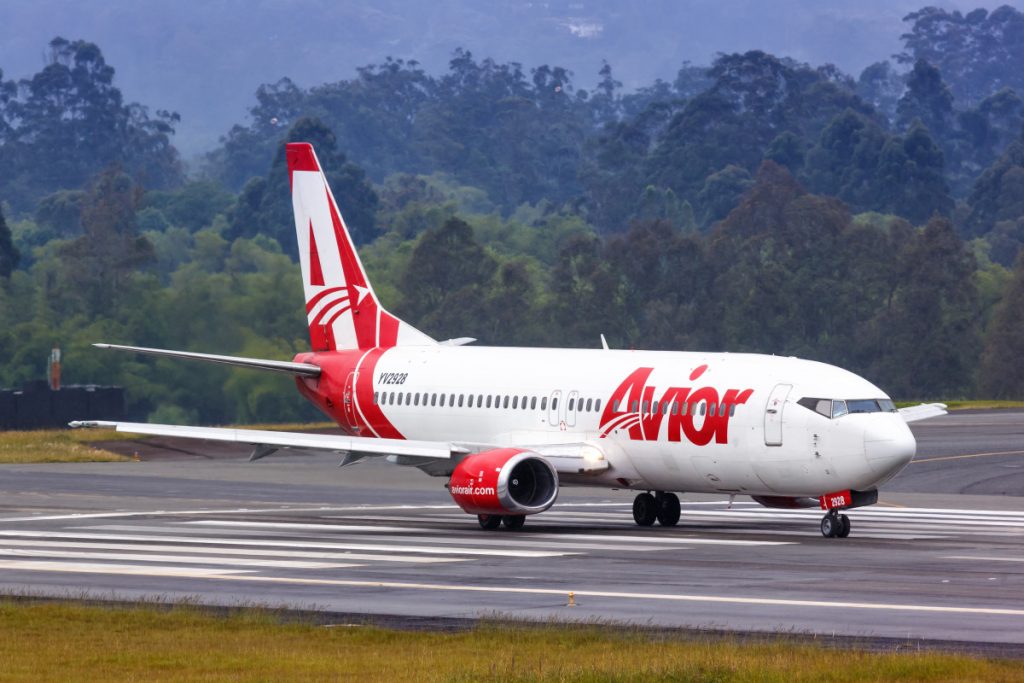
The recent U.S. decision to reopen its doors to Venezuelan airlines has sent shockwaves through the global aviation industry, raising hopes for a potential economic boost in the region and sparking debate among investors about the potential risks and rewards of this move.
Key Takeaways
- The U.S. has reopened its doors to Venezuelan airlines, allowing international flights to resume from and into Venezuela.
- This move comes after the capture of President Nicolás Maduro and his wife Cilia Flores on January 3, which led to significant air travel disruptions in the Caribbean.
- The reopening is expected to have significant economic implications for Venezuela and the wider region, with potential opportunities for investors in the aviation and tourism sectors.
Venezuelan Airlines: A Deep Dive
The decision to reopen the U.S. to Venezuelan airlines is a significant development, given the country’s troubled economic and political history. Venezuela has been plagued by inflation, which has eroded the value of its currency and made it difficult for businesses to operate. In this context, inflation refers to the rapid increase in prices of goods and services, making it challenging for consumers to afford basic necessities. For example, imagine an investor who bought Venezuelan currency a few years ago, only to see its value decline significantly due to hyperinflation.
Historically, similar economic crises have led to significant disruptions in the aviation industry. For instance, during the 2008 financial crisis, many airlines were forced to reduce flights and cut costs to stay afloat. However, in the case of Venezuela, the situation is more complex, given the country’s unique political and economic challenges. The capture of President Maduro and his wife has created a power vacuum, which could lead to further instability and uncertainty for investors.
Context: Why This Matters Now
The reopening of the U.S. to Venezuelan airlines is significant because it comes at a time of great uncertainty for the global economy. The COVID-19 pandemic has had a devastating impact on the aviation industry, with many airlines struggling to stay afloat. In this context, the resumption of flights to and from Venezuela could provide a much-needed boost to the regional economy. However, it also raises concerns about the potential risks of investing in a country with a history of economic instability and political turmoil.
From a historical perspective, this move is reminiscent of the 2019 attempts to normalize relations between the U.S. and Venezuela, which ultimately failed to materialize. However, the current situation is different, given the changing geopolitical landscape and the growing importance of the region to global trade and commerce. For instance, the U.S. has significant economic interests in the region, including oil and gas reserves, which could be impacted by the reopening of Venezuelan airlines.
Pros and Cons for Your Portfolio
- Risk: Investing in Venezuelan airlines or related industries could be risky, given the country’s history of economic instability and political turmoil. For example, if the political situation were to deteriorate further, it could lead to a decline in investor confidence and a decrease in the value of investments.
- Opportunity: On the other hand, the reopening of the U.S. to Venezuelan airlines could provide a significant opportunity for investors who are willing to take on risk. For instance, if the Venezuelan economy were to stabilize and grow, it could lead to an increase in demand for air travel and related services, providing a potential boost to investments in the sector.
What This Means for Investors
So, what does this mean for investors? The answer depends on your individual risk tolerance and investment goals. If you are a risk-averse investor, it may be wise to wait and see how the situation develops before making any investment decisions. However, if you are willing to take on risk, the reopening of the U.S. to Venezuelan airlines could provide a unique opportunity to invest in a growing market. It’s essential to do your research, consult with financial advisors, and develop a strategic perspective on the potential risks and rewards of investing in this sector.
One potential strategy for investors is to diversify their portfolio by investing in a range of assets, including those related to the aviation and tourism sectors. This could help to mitigate risk and provide a potential upside if the Venezuelan economy were to grow and stabilize. For example, imagine an investor who diversifies their portfolio by investing in a mix of U.S. and international stocks, bonds, and commodities. This could help to reduce risk and provide a potential long-term return on investment.
In conclusion, the reopening of the U.S. to Venezuelan airlines is a significant development with potential implications for investors. While there are risks involved, there are also potential opportunities for those who are willing to take on risk and do their research. As with any investment decision, it’s essential to approach this opportunity with caution and to develop a strategic perspective on the potential risks and rewards.

 Vintage Luxury Watches by Bulova from $125
  Travel Company Collapse: Trips Cancelled, What Now?
  Target Shifts Focus to Beauty as Ulta Exit Nears
  Walmart’s $1,480 Folding Treadmill Now $200 on Clearance
  Bank of America’s Shocking Dollar Forecast: What to Expect
  Verizon Job Cuts: Is 6% Dividend Yield Still Safe