


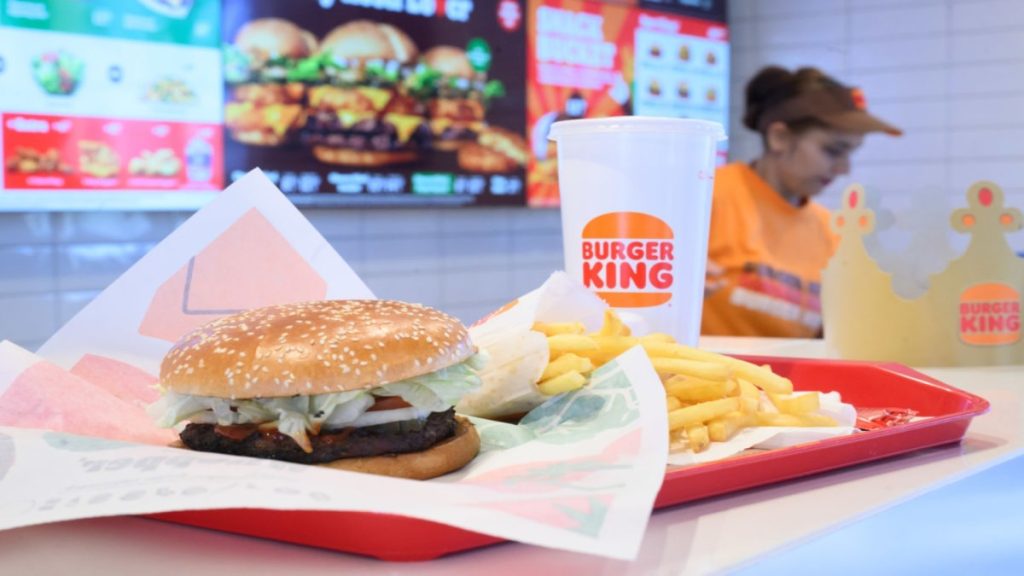
Burger King’s decision to bring back iconic kids meal toys after a 22-year hiatus signals a strategic move to revamp its brand image and appeal to a new generation of consumers, amidst a competitive fast-food market and rising inflation concerns.
Key Takeaways
- Burger King is reintroducing kids meal toys after a 22-year absence, aiming to boost sales and brand recognition.
- The move is part of a broader effort to revitalize the brand and attract a younger demographic.
- This strategy may have implications for investors, as it could impact the company’s revenue and market share in the fast-food industry.
Burger King’s Strategic Move: A Deep Dive
Burger King’s decision to bring back kids meal toys is a calculated effort to recapture a significant portion of the fast-food market, particularly among families with young children. By reintroducing these iconic toys, the company aims to create a sense of nostalgia and excitement, driving sales and increasing brand loyalty. Imagine an investor who bought into Burger King’s parent company, Restaurant Brands International (RBI), in anticipation of this move; they would be keenly interested in understanding the potential impact on the company’s bottom line.
Historically, kids meal toys have been a successful marketing strategy for fast-food chains, as they provide an added incentive for parents to choose one brand over another. Similar to the 1980s and 1990s, when kids meal toys were a staple in the fast-food industry, Burger King is hoping to replicate this success and establish itself as a leader in the market. The toys will likely be tied to popular franchises, such as movies, TV shows, or video games, to maximize their appeal to children.
Context: Why This Matters Now
The fast-food industry is highly competitive, with companies constantly vying for market share and customer loyalty. In recent years, the industry has experienced significant changes, including shifting consumer preferences, rising labor costs, and increasing competition from fast-casual chains. Amidst these challenges, Burger King’s decision to bring back kids meal toys is a strategic attempt to differentiate itself and appeal to a new generation of consumers. The current economic environment, marked by inflation concerns and changing consumer behavior, makes it essential for companies like Burger King to adapt and innovate to remain competitive.
For instance, consider the impact of inflation on consumer spending habits. As prices rise, families may be more likely to opt for affordable, convenient meal options, such as fast food. By offering kids meal toys, Burger King can create a perceived value that justifies the slightly higher cost of their meals, making them a more attractive option for budget-conscious consumers.
Pros and Cons for Your Portfolio
- Risk: The success of this strategy is not guaranteed, and the costs associated with producing and distributing kids meal toys could be significant, potentially eating into Burger King’s profit margins.
- Opportunity: If successful, the reintroduction of kids meal toys could lead to increased sales, improved brand recognition, and a competitive advantage for Burger King, ultimately benefiting investors who have stakes in the company.
What This Means for Investors
Investors should closely monitor Burger King’s sales and revenue growth in the coming quarters to assess the effectiveness of this strategy. If the company can successfully execute this plan and attract a new generation of consumers, it may be a compelling opportunity for investors to buy or hold onto RBI stocks. However, it is essential to consider the potential risks and challenges associated with this strategy, including increased costs and the competitive landscape of the fast-food industry. As with any investment decision, a thorough analysis of the company’s financials, market trends, and industry dynamics is crucial to making an informed choice.
Imagine an investor who is considering diversifying their portfolio by adding shares of RBI or other companies in the fast-food industry. They would need to weigh the potential benefits of this strategy, including increased brand recognition and sales, against the potential drawbacks, such as increased costs and competition. By taking a strategic perspective and considering the broader market context, investors can make informed decisions that align with their investment goals and risk tolerance.

 Walmart’s $999 Portable Generator Now $398: Winter Blackout Savior
  HP 15.6-Inch Laptop Now $299: Unbeatable Amazon Deal
  Optimizing Retirement Income: Expert Review Process Guide
  Moderna Hit With $5 Billion mRNA Patent Lawsuit After Landmark Ruling
  $150 Wallet Purse Now $49: Coach Outlet’s Unbeatable Deal
  Global Toy Retailer Collapses: Stores Closed, Online Sales Halted