


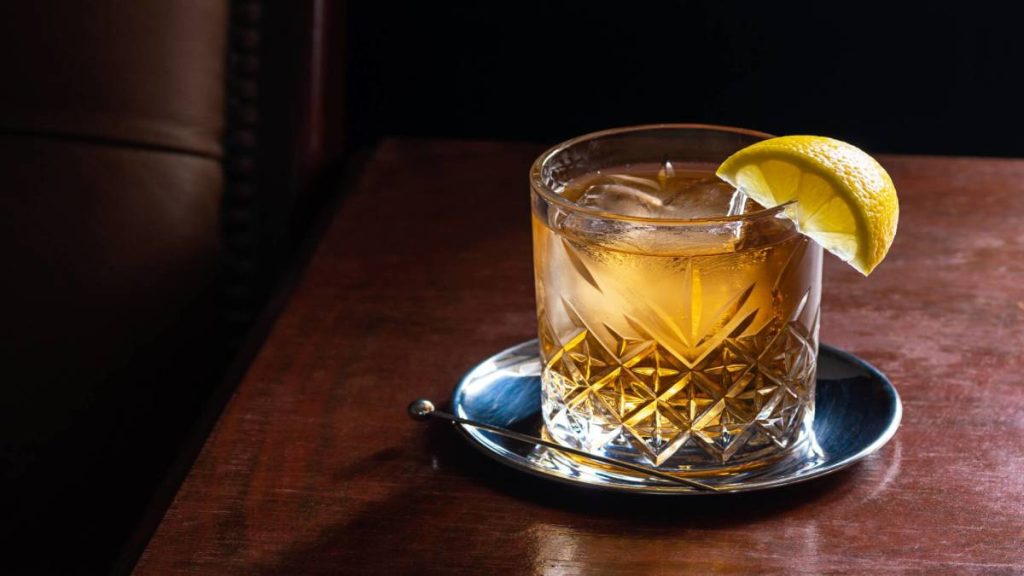
In a surprising turn of events, certain bourbon and vodka brands have been saved from liquidation, highlighting the complexities of Chapter 7 bankruptcy and the potential for brands to be revived under new ownership, a phenomenon that has significant implications for investors in the beverage industry.
Key Takeaways
- The filing of Chapter 7 bankruptcy does not necessarily mean the end of a brand, as its intellectual property can be purchased and potentially revived by new owners.
- The fate of brands after bankruptcy depends on the buyer’s intentions and the value they see in the brand’s intellectual property, including trademarks, recipes, and customer loyalty.
- This scenario presents both risks and opportunities for investors, who must consider the potential for brand revitalization against the challenges of reviving a brand that has faced financial difficulties.
Deep Dive into Bankruptcy and Brand Revival
When a company files for Chapter 7 bankruptcy, it typically means that the business will cease operations and its assets will be liquidated to pay off creditors. However, this process does not always result in the complete disappearance of the brand. In some cases, the brand’s intellectual property, such as its name, logo, and product recipes, can be purchased by another company, potentially saving the brand from oblivion.
This was the case with retailer Sharper Image, which, despite filing for bankruptcy, saw its brand and intellectual property assets acquired by another company, allowing the brand to continue in some form. Similarly, in the context of bourbon and vodka brands, the purchase of a brand’s intellectual property can provide the new owner with significant flexibility in how to proceed with the brand, including the potential to revive and re-launch it.
Understanding Chapter 7 Bankruptcy
Chapter 7 bankruptcy involves the liquidation of a company’s assets to pay off debts. It is a legal process that allows businesses to dissolve and have their assets sold to satisfy creditor claims. However, the process also provides an opportunity for the brand’s intellectual property to be sold, potentially to a competitor or an investor looking to revive the brand.
Context: Why This Matters Now
The current economic landscape, marked by fluctuations in consumer spending and shifts in market trends, makes the scenario of brand revival through bankruptcy particularly relevant. As consumers become more discerning and the beverage market becomes increasingly competitive, the opportunity to acquire and revive established brands can be attractive to companies looking to expand their product offerings or enter new markets.
Furthermore, the consumer trends in the beverage industry, such as the growing demand for premium and craft spirits, can create a favorable environment for the revival of brands that have been saved from liquidation. This is because such brands may already have a loyal customer base and established distribution networks, which can be leveraged by new owners to quickly re-establish the brand in the market.
Pros and Cons for Your Portfolio
- Risk: Investing in a brand that has been through bankruptcy can be risky, as it may face challenges in regaining consumer trust and re-establishing its market presence. Additionally, the brand may require significant investment to update its products, marketing, and distribution, which can be a drain on resources.
- Opportunity: On the other hand, acquiring a brand at a discounted price through bankruptcy proceedings can offer a unique opportunity for growth. If managed correctly, the brand can be revitalized, and its existing customer base and brand recognition can be leveraged to drive sales and profitability.
What This Means for Investors
For investors considering opportunities in the beverage industry, the scenario of brands being saved from liquidation through bankruptcy presents a strategic dilemma. While there are risks associated with investing in a brand that has faced financial difficulties, there are also potential rewards for those who can successfully revive and re-launch the brand. Investors should carefully evaluate the brand’s potential for growth, its competitive position in the market, and the resources required to revive it, before making an investment decision.
Ultimately, the key to success lies in due diligence and a thorough understanding of the brand’s strengths, weaknesses, and market opportunities. By adopting a strategic and informed approach, investors can capitalize on the potential of brands saved from liquidation, contributing to the dynamic and ever-changing landscape of the beverage industry.

 Veterans’ Long-Term Care: Expert Strategies for Support
  Dividend King Makes $5 Billion Move to Secure Payout
  ConocoPhillips CEO Issues Bold Statement on Venezuela’s Oil Future
  T-Mobile Launches 2 New Plans to Retain Customers
  Limited-Time Offer: Walmart’s $243 Farmhouse Buffet Now $141
  $200B AI Bill Exposes Mag 7’s Brutal Reality Check