


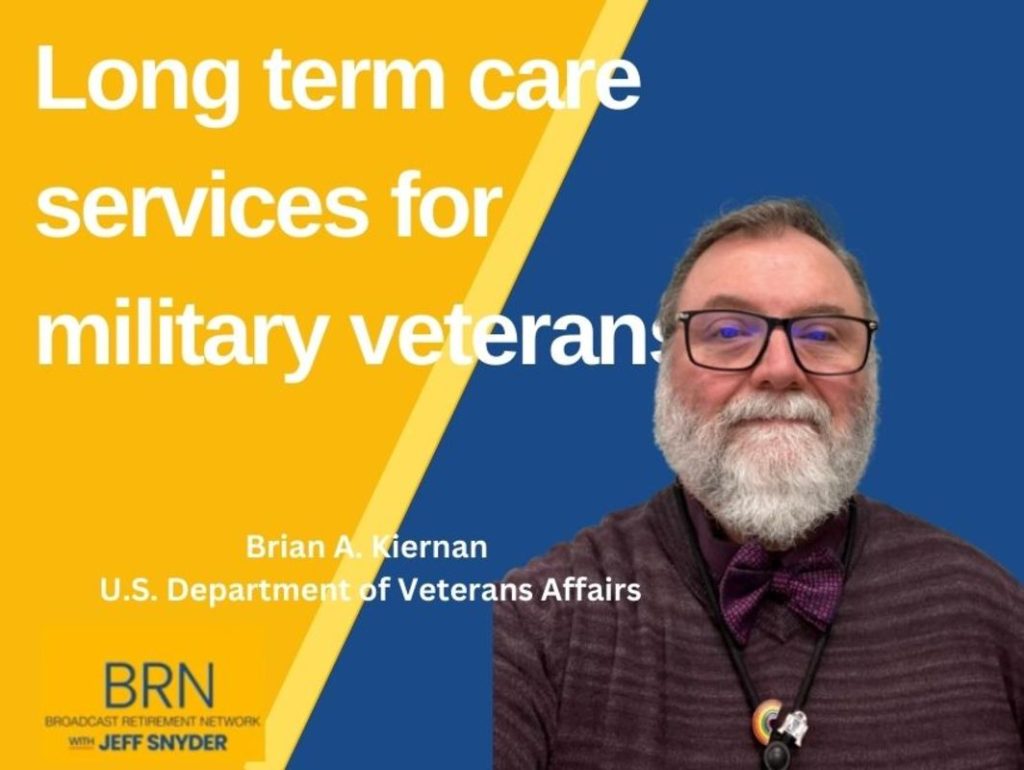
As the US veteran population ages, the need for long-term care services is becoming increasingly important, with the Department of Veteran Affairs playing a vital role in delivering these services to those who have served their country, sparking discussions on veterans’ benefits and financial planning.
Key Takeaways
- The Department of Veteran Affairs provides long-term care services to eligible veterans, including home-based care, adult day health care, and nursing home care.
- Understanding the eligibility criteria and application process for these services is crucial for veterans and their families to access the support they need.
- Financial planning and budgeting are essential for veterans to navigate the costs associated with long-term care and ensure they can afford the services they require.
Veterans’ Long-Term Care: An Overview
The Department of Veteran Affairs (VA) offers a range of long-term care services to eligible veterans, including those with service-connected disabilities, older veterans, and those with low incomes. These services aim to support veterans in maintaining their independence and quality of life, whether in their own homes or in residential care settings. Imagine an elderly veteran who requires assistance with daily activities, such as bathing, dressing, and managing medications; the VA’s long-term care services can provide the necessary support to enable them to live safely and comfortably.
Context: Why This Matters Now
The demand for long-term care services is increasing as the veteran population ages, with many veterans requiring support with daily living activities. The VA’s long-term care services are designed to address this need, but the application process and eligibility criteria can be complex. Inflation in healthcare costs also affects the affordability of these services, making it essential for veterans and their families to understand the financial implications and plan accordingly. Similar to the challenges faced by the general population, veterans must navigate the complexities of long-term care, but with the added consideration of their service-connected benefits and eligibility for VA support.
Pros and Cons for Your Portfolio
- Risk: The increasing demand for long-term care services may lead to higher costs and reduced availability, potentially impacting the financial security of veterans and their families.
- Opportunity: By understanding the VA’s long-term care services and eligibility criteria, veterans can make informed decisions about their care and financial planning, potentially reducing their out-of-pocket expenses and ensuring they receive the support they need.
What This Means for Investors
For investors, the growing need for long-term care services among veterans presents opportunities in the healthcare sector, particularly in companies providing home-based care, adult day health care, and nursing home care. However, it is essential to consider the regulatory environment and the potential impact of policy changes on the demand for these services. A strategic perspective would involve diversifying investments across the healthcare sector, including companies that provide long-term care services, medical equipment, and healthcare technology, to capitalize on the growing demand for these services while minimizing risk.
Expert Strategies for Support
Experts, such as Jeffrey Snyder from the Broadcast Retirement Network, emphasize the importance of understanding the VA’s long-term care services and eligibility criteria. By working with a financial advisor who is knowledgeable about veterans’ benefits, veterans can develop a comprehensive financial plan that takes into account their long-term care needs and ensures they can afford the services they require. This may involve creating a budget that accounts for potential out-of-pocket expenses, exploring alternative care options, and maximizing their service-connected benefits.
Historical Context and Future Outlook
Similar to the 2008 crash, which highlighted the importance of long-term care planning, the current demographic trends and healthcare landscape underscore the need for veterans to plan ahead and understand their eligibility for VA long-term care services. As the veteran population continues to age, the demand for these services will likely increase, making it essential for veterans, their families, and investors to stay informed about the latest developments and trends in the long-term care sector. By doing so, they can make informed decisions about their care and financial planning, ensuring they are well-prepared for the future.
Conclusion and Recommendations
In conclusion, the Department of Veteran Affairs’ long-term care services play a vital role in supporting eligible veterans, and understanding these services is crucial for veterans and their families to access the support they need. To navigate the complexities of long-term care, veterans should work with a financial advisor to develop a comprehensive financial plan, explore alternative care options, and maximize their service-connected benefits. Investors should consider the growing demand for long-term care services among veterans and the potential opportunities in the healthcare sector, while also being mindful of the regulatory environment and potential risks. By taking a strategic and informed approach, veterans and investors can ensure they are well-prepared for the future and can make the most of the available resources and opportunities.

 Dividend King Makes $5 Billion Move to Secure Payout
  ConocoPhillips CEO Issues Bold Statement on Venezuela’s Oil Future
  T-Mobile Launches 2 New Plans to Retain Customers
  Bourbon and Vodka Brands Saved from Liquidation Surprise
  Limited-Time Offer: Walmart’s $243 Farmhouse Buffet Now $141
  $200B AI Bill Exposes Mag 7’s Brutal Reality Check