



The beverage industry is undergoing a significant transformation, with soda giants such as Coca-Cola and Pepsi reviving classic flavors and launching new ones in an effort to regain market share amidst a shift in consumer preferences towards healthier and more diverse drink options.
Key Takeaways
- The soda market is experiencing a decline in sales, with consumers opting for alternative beverages like energy drinks, iced coffee, and hydration beverages.
- Coca-Cola and Pepsi are responding by reviving classic flavors and introducing new ones to appeal to changing consumer tastes.
- This market shakeup presents both opportunities and challenges for investors, who must carefully consider the implications for their portfolios.
Revival of the Soda Industry: A Deep Dive
The soda industry has been a staple of the American beverage market for decades, with Coca-Cola and Pepsi being two of the most recognizable brands. However, in recent years, the industry has faced significant challenges, including declining sales and shifting consumer preferences. As a result, soda giants have been forced to adapt and evolve in order to remain competitive. One strategy that has been employed is the revival of classic flavors, such as Coca-Cola’s revival of its iconic “New Coke” formula, as well as the introduction of new and innovative flavors.
For example, imagine an investor who bought Coca-Cola stock in the 1990s, when the company was at the height of its success. This investor would have seen significant returns on their investment, as the company continued to dominate the beverage market. However, in recent years, this investor may have seen their returns decline, as the company struggled to adapt to changing consumer preferences. By reviving classic flavors and introducing new ones, Coca-Cola is attempting to appeal to a new generation of consumers and regain its position as a leader in the beverage industry.
Context: Why This Matters Now
The decline of the soda industry is not an isolated phenomenon, but rather part of a larger trend of changing consumer preferences. In recent years, there has been a significant shift towards healthier and more sustainable living, with consumers opting for beverages that are low in sugar, calories, and artificial ingredients. This shift has been driven in part by increasing awareness of the health risks associated with sugary drinks, as well as growing concerns about environmental sustainability. As a result, the beverage industry has been forced to adapt, with companies like Coca-Cola and Pepsi investing heavily in new product development and marketing campaigns.
Similar to the 2008 financial crisis, which saw a significant shift in consumer behavior and a decline in sales for many industries, the current market shakeup in the beverage industry presents both opportunities and challenges for investors. On the one hand, the decline of the soda industry presents a significant risk for investors who have traditionally held stocks in companies like Coca-Cola and Pepsi. On the other hand, the growth of new and innovative beverage companies presents a significant opportunity for investors who are willing to take a chance on emerging trends and technologies.
Pros and Cons for Your Portfolio
- Risk: The decline of the soda industry presents a significant risk for investors who have traditionally held stocks in companies like Coca-Cola and Pepsi. If these companies are unable to adapt to changing consumer preferences, investors may see significant declines in the value of their portfolios.
- Opportunity: The growth of new and innovative beverage companies presents a significant opportunity for investors who are willing to take a chance on emerging trends and technologies. Companies like LaCroix and Spindrift, which offer low-calorie and sustainably-sourced beverages, may present attractive investment opportunities for those looking to capitalize on the shift towards healthier and more sustainable living.
What This Means for Investors
So what does this mean for investors? In short, it means that the beverage industry is undergoing a significant transformation, and investors must be willing to adapt in order to remain competitive. This may involve diversifying portfolios to include a mix of traditional and emerging beverage companies, as well as staying up-to-date on the latest trends and technologies in the industry. By taking a strategic and informed approach, investors can capitalize on the opportunities presented by the growth of new and innovative beverage companies, while minimizing their exposure to the risks associated with the decline of the soda industry.
For example, an investor who is looking to capitalize on the growth of the low-calorie and sustainable beverage market may consider investing in companies like LaCroix or Spindrift. These companies have seen significant growth in recent years, and are well-positioned to continue to capitalize on the shift towards healthier and more sustainable living. On the other hand, an investor who is looking to minimize their exposure to the risks associated with the decline of the soda industry may consider diversifying their portfolio to include a mix of traditional and emerging beverage companies.
Conclusion
In conclusion, the revival of the soda industry is a complex and multifaceted phenomenon, driven by a combination of factors including changing consumer preferences, growing concerns about health and sustainability, and the emergence of new and innovative beverage companies. As investors, it is essential to stay up-to-date on the latest trends and technologies in the industry, and to take a strategic and informed approach to investing in the beverage sector. By doing so, investors can capitalize on the opportunities presented by the growth of new and innovative beverage companies, while minimizing their exposure to the risks associated with the decline of the soda industry.

 Portable Camping Stove on Sale: $19 Emergency Kit Essential
 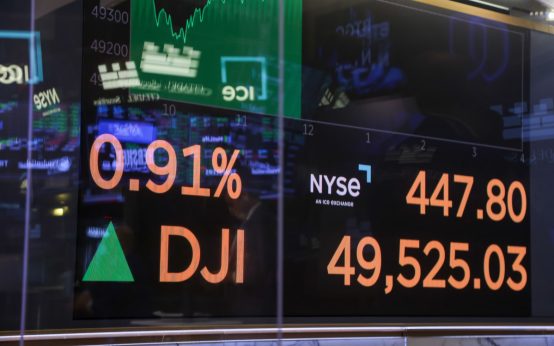 Dow Jones Dropouts: What Happens After Being Removed from DJIA
  Top Analyst Warns: Amazon vs Google Stock Disparity Unfolds
  Global Markets Shaken: Japan Election Impact on Stocks
  Goldman Sachs Offloads Routine Tasks to AI Claude
  Chipotle’s Bold New Strategy: What’s Behind the Move