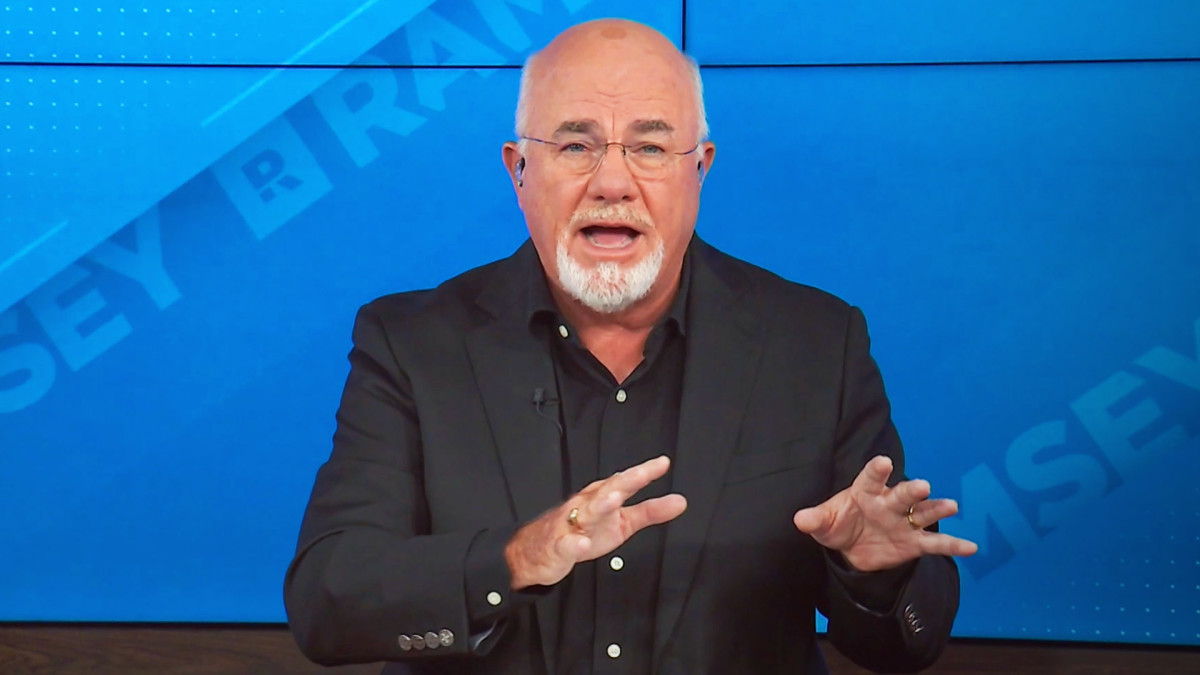
As the new year unfolds, concerns over Medicare reform are prompting warnings from influential voices like AARP and Dave Ramsey, signaling a critical moment for retired Americans to reassess their Medicare plans and consider the potential implications for their financial security.
Key Takeaways
- AARP and Dave Ramsey are sounding the alarm on potential changes to Medicare, urging retirees to carefully review their coverage.
- The Medicare open enrollment period, which ran from October 15 to December 7, has ended, but the effects of plan choices made during this time will be felt throughout the year.
- Understanding the nuances of Medicare plans and potential reforms is crucial for retirees to navigate their healthcare costs effectively and protect their financial well-being.
Medicare Reform: A Deep Dive
The Medicare program, a cornerstone of healthcare for Americans 65 and older, is facing potential reforms that could significantly impact beneficiaries. The warnings from AARP and Dave Ramsey come at a time when many retirees are evaluating their Medicare plans, seeking to balance comprehensive coverage with affordability. The Medicare Plan Finder, a tool provided by the Centers for Medicare and Medicaid Services, is a critical resource for navigating the complex landscape of Medicare options, including Original Medicare, Medicare Advantage plans, and supplemental insurance policies.
Understanding Medicare Plans
Original Medicare, which includes Part A (hospital insurance) and Part B (medical insurance), provides a foundational level of coverage. However, it often leaves gaps, such as deductibles, copayments, and coinsurance, which can be filled by Medicare Advantage plans or Medigap policies. Medicare Advantage plans, offered by private insurance companies approved by Medicare, may include additional benefits like vision, dental, and hearing coverage, but they can also have different provider networks and varying out-of-pocket costs.
Context: Why This Matters Now
The urgency around Medicare reform is heightened by the current economic and demographic landscape. The inflation rate, which affects the cost of living and, by extension, healthcare costs, has been a concern in recent years. Imagine an investor who retired in 2020 with a fixed income; the subsequent inflation could erode the purchasing power of their retirement savings, making affordable healthcare coverage even more critical. Similar to the financial challenges posed by the 2008 crash, today’s retirees must be vigilant about their healthcare expenses and the potential for Medicare reforms to impact their financial security.
Pros and Cons for Your Portfolio
- Risk: Potential reforms to Medicare could lead to increased costs for beneficiaries, either through higher premiums, deductibles, or copayments, which could strain retirees’ budgets and impact their overall financial health.
- Opportunity: A well-informed approach to Medicare planning, considering both current and potential future reforms, can help retirees optimize their healthcare coverage, minimize costs, and protect their financial assets, presenting an opportunity to enhance their retirement security.
What This Means for Investors
Given the warnings from AARP and Dave Ramsey, and considering the complexities of Medicare and potential reforms, retirees and those nearing retirement should adopt a proactive stance. This includes carefully reviewing their current Medicare plans, exploring options for supplemental coverage, and staying informed about any developments in Medicare policy. By taking these steps, individuals can better navigate the evolving healthcare landscape, mitigate potential financial risks, and ensure they have the coverage they need without undue strain on their retirement savings. It’s also essential for investors to consider healthcare costs as part of their overall retirement planning, factoring in the potential for inflation and other economic factors that could influence their financial situation in the years to come.
A Strategic Perspective
Investors should view Medicare planning as an integral component of their retirement strategy, alongside other financial considerations such as investment portfolios, pension plans, and social security benefits. By integrating healthcare planning into their overall financial approach, retirees can build a more resilient and sustainable retirement framework. This might involve working with a financial advisor who specializes in retirement planning and healthcare costs, utilizing tools like the Medicare Plan Finder to optimize coverage, and regularly reviewing and adjusting their plans as needed to reflect changes in their health, financial situation, or the healthcare landscape.