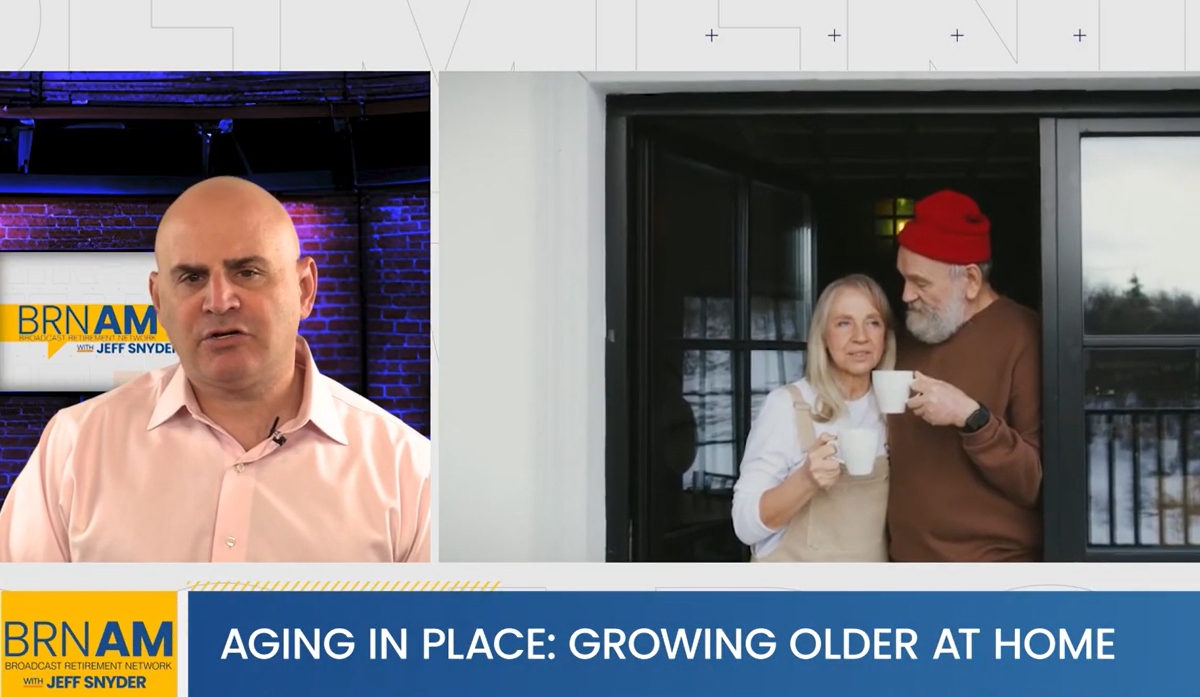
As the US population ages, the concept of “aging in place” has become a pressing concern for seniors, caregivers, and investors alike, with many seeking safe and sustainable strategies to stay in their homes while maintaining their quality of life and managing healthcare costs.
Key Takeaways
- Aging in place refers to the ability of seniors to live in their own homes and communities safely, independently, and comfortably, regardless of age or ability.
- The National Institute on Aging’s Erin Harrell, PhD, and Jeffrey Snyder of the Broadcast Retirement Network discussed the importance of planning and preparation for aging in place, including home modifications, social support, and healthcare access.
- Investors can play a crucial role in supporting aging in place by investing in companies that provide products and services tailored to the needs of seniors, such as home healthcare, assistive technologies, and senior-focused real estate.
Aging in Place: A Deep Dive
Aging in place is a complex issue that involves multiple stakeholders, including seniors, caregivers, healthcare providers, and investors. According to the National Institute on Aging, the number of Americans aged 65 and older is projected to nearly double by 2030, reaching 71 million. This demographic shift has significant implications for the healthcare system, social security, and the economy as a whole.
Imagine an investor who is considering investing in a senior-focused real estate investment trust (REIT). This investor would need to weigh the potential benefits of investing in age-restricted communities, such as predictable demand and lower turnover rates, against the potential drawbacks, such as limited upside potential and regulatory risks. For instance, the investor might consider the example of a successful age-restricted community in a desirable location, where residents can access amenities such as golf courses, swimming pools, and community centers, while also having access to on-site healthcare services.
Context: Why This Matters Now
The concept of aging in place is not new, but it has taken on increased significance in recent years due to demographic and economic factors. The COVID-19 pandemic has highlighted the importance of social isolation and the need for seniors to have access to safe and supportive living environments. At the same time, the rising cost of healthcare and the increasing burden on caregivers have made it essential to find innovative solutions to support aging in place.
Similar to the 2008 housing market crash, which led to a surge in demand for age-restricted communities, the current demographic shift is creating new opportunities for investors to support aging in place. For example, investors can consider investing in companies that provide home healthcare services, such as home health aides and telemedicine platforms, which can help seniors receive medical care and support in the comfort of their own homes.
Pros and Cons for Your Portfolio
- Risk: Investing in aging in place-related companies or assets can be risky, as the market is subject to regulatory changes, demographic fluctuations, and economic downturns. For instance, changes in Medicare reimbursement rates or shifts in consumer preferences could impact the demand for certain products or services.
- Opportunity: On the other hand, investing in aging in place can provide a unique opportunity for long-term growth and returns, as the demand for senior-focused products and services is likely to increase in the coming years. Investors can consider investing in companies that provide innovative solutions, such as assistive technologies and senior-focused financial services, which can help seniors manage their daily lives and finances more effectively.
What This Means for Investors
Investors who are considering investing in aging in place should take a strategic and nuanced approach, weighing the potential benefits and risks of different investment opportunities. This may involve diversifying their portfolios to include a range of assets, such as real estate investment trusts (REITs), healthcare stocks, and technology companies that cater to the needs of seniors. By doing so, investors can help support the growing demand for aging in place solutions while also generating returns on their investments.
Ultimately, investing in aging in place requires a deep understanding of the complex issues surrounding this trend, as well as a commitment to supporting the well-being and quality of life of seniors. As the US population continues to age, investors who are able to navigate this landscape effectively will be well-positioned to capitalize on the opportunities that arise, while also making a positive impact on the lives of millions of Americans.
To illustrate the potential benefits of investing in aging in place, consider the example of a company that provides home modification services, such as installing wheelchair ramps or grab bars, to help seniors stay safe and independent in their homes. This company could potentially benefit from the growing demand for aging in place solutions, while also providing a valuable service to seniors and their families.
In addition to investing in companies that provide products and services tailored to the needs of seniors, investors can also consider investing in exchange-traded funds (ETFs) or mutual funds that focus on healthcare or senior-related industries. These investment vehicles can provide a diversified portfolio of stocks or bonds, helping to spread risk and increase potential returns.
However, investors should also be aware of the potential risks and challenges associated with investing in aging in place, such as regulatory changes, demographic fluctuations, and economic downturns. For instance, changes in government policies or reimbursement rates could impact the demand for certain products or services, while shifts in consumer preferences could affect the viability of certain business models.
By taking a thoughtful and informed approach to investing in aging in place, investors can help support the growing demand for senior-focused products and services, while also generating returns on their investments and making a positive impact on the lives of millions of Americans.