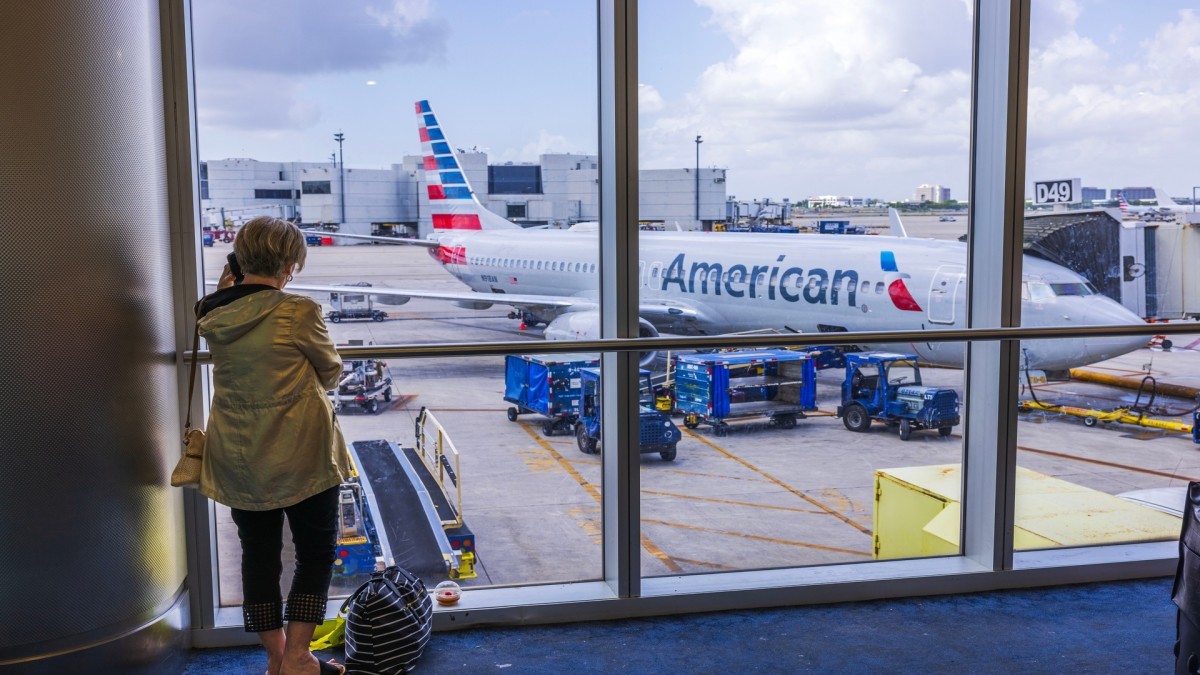
As the airline industry navigates turbulent skies, American Airlines’ recent move to enter the Spirit Airlines bankruptcy case has sparked intense speculation among investors, leaving many to wonder if this is a strategic play or a desperate attempt to stay afloat in a highly competitive market.
Key Takeaways
- American Airlines has entered the Spirit Airlines bankruptcy case, which could have significant implications for the future of the airline industry.
- Spirit Airlines filed for Chapter 11 protection for the second time in August 2025, citing financial difficulties and a need to restructure its operations.
- The move by American Airlines may be seen as an attempt to acquire a competitor or gain access to new routes and markets, but it also poses significant risks and challenges.
Airline Industry Turbulence: A Deep Dive
Spirit Airlines, a Florida-based low-cost carrier, has been struggling to stay afloat in recent years, with rising fuel costs, increased competition, and declining demand all taking a toll on its financial performance. The airline’s decision to file for Chapter 11 protection for the second time in August 2025 was seen as a last-ditch effort to rework its finances and avoid liquidation. American Airlines’ entry into the bankruptcy case has added a new layer of complexity to the situation, with many analysts speculating about the potential motivations behind the move.
Imagine an investor who bought Spirit Airlines stock in 2020, hoping to capitalize on the airline’s low-cost business model and growing demand for air travel. As the airline’s financial struggles became more apparent, the investor may have seen the value of their investment decline significantly, highlighting the risks of investing in a highly competitive and volatile industry. Bankruptcy can be a particularly challenging situation for investors, as it often involves a complex and uncertain process of restructuring and negotiation.
Historically, the airline industry has been prone to consolidation, with larger carriers acquiring smaller competitors to expand their route networks and increase their market share. Similar to the 2010 merger between United and Continental Airlines, American Airlines’ move to enter the Spirit Airlines bankruptcy case may be seen as an attempt to acquire a competitor and gain a strategic advantage in the market.
Context: Why This Matters Now
The current economic environment is characterized by high levels of inflation, which works by eroding the purchasing power of consumers and increasing the costs of goods and services. In the context of the airline industry, inflation can have a significant impact on fuel costs, labor expenses, and other operational expenditures, making it even more challenging for carriers to maintain profitability. As the global economy continues to navigate the challenges of inflation, the airline industry is likely to remain highly competitive and volatile, with carriers facing intense pressure to reduce costs and improve efficiency.
The COVID-19 pandemic has also had a profound impact on the airline industry, with many carriers experiencing significant declines in demand and revenue. As the industry continues to recover from the pandemic, airlines are facing new challenges, including rising fuel costs, increased competition, and changing consumer behavior. In this context, American Airlines’ move to enter the Spirit Airlines bankruptcy case may be seen as a strategic play to gain a competitive advantage and position itself for long-term success.
Pros and Cons for Your Portfolio
- Risk: The airline industry is highly competitive and volatile, with many carriers facing significant financial challenges. Investing in an airline stock can be risky, as the value of the investment may decline significantly if the carrier experiences financial difficulties or files for bankruptcy.
- Opportunity: The consolidation of the airline industry may create opportunities for investors to capitalize on the growth and expansion of larger carriers. If American Airlines is successful in acquiring Spirit Airlines or gaining access to new routes and markets, the value of its stock may increase significantly, providing a potential upside for investors.
What This Means for Investors
For investors, the situation with Spirit Airlines and American Airlines is complex and uncertain, with many potential risks and opportunities. As the airline industry continues to navigate the challenges of inflation, competition, and changing consumer behavior, investors should exercise caution and carefully consider their investment options. A strategic approach may involve diversifying a portfolio to include a range of airline stocks, as well as other investments in the travel and transportation sector. By taking a long-term perspective and staying informed about the latest developments in the industry, investors can position themselves for success and capitalize on the potential opportunities and growth in the airline sector.
In conclusion, the entry of American Airlines into the Spirit Airlines bankruptcy case is a significant development in the airline industry, with many potential implications for investors and the future of air travel. As the situation continues to unfold, investors should remain vigilant and informed, seeking to capitalize on the potential opportunities and minimize the risks associated with this complex and volatile industry.