


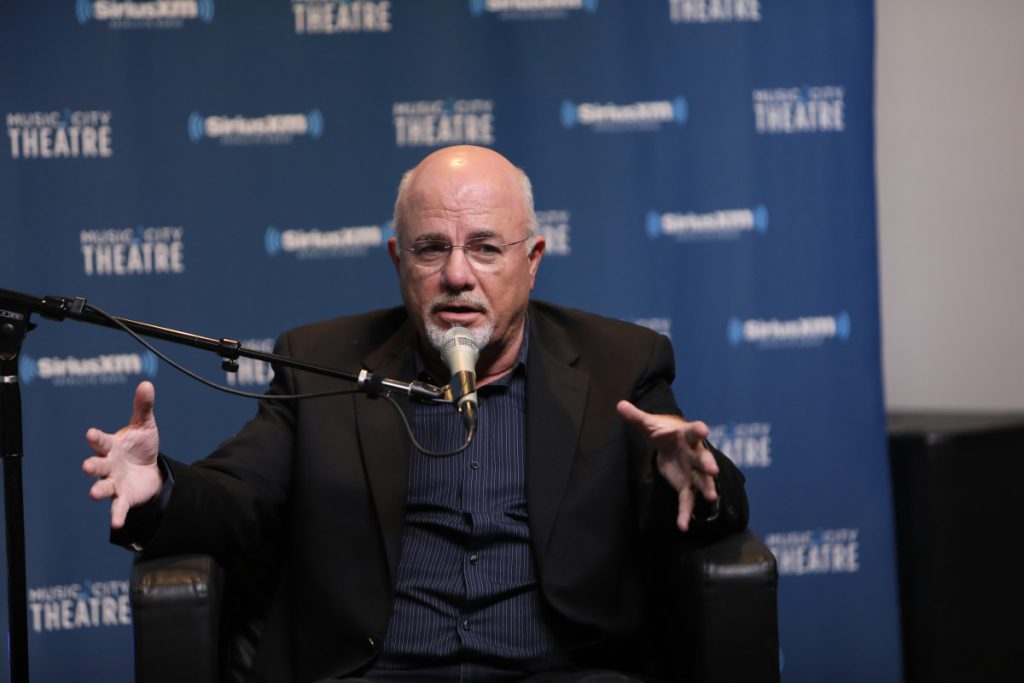
As the financial landscape continues to evolve, investors are questioning the effectiveness of Dave Ramsey’s “Baby Steps” in 2026, a method that has been a cornerstone of personal finance for decades, amidst rising concerns over inflation and economic uncertainty.
Key Takeaways
- Dave Ramsey’s “Baby Steps” have been a popular financial program for achieving financial stability and independence.
- The program’s effectiveness is being reevaluated in the context of current economic conditions, including inflation and market volatility.
- Investors and individuals are seeking to understand whether the “Baby Steps” remain a viable strategy for achieving long-term financial goals in 2026.
Dave Ramsey’s Baby Steps: A Deep Dive
Dave Ramsey’s “Baby Steps” are a series of seven steps designed to help individuals achieve financial stability and independence. The steps include saving $1,000 as an emergency fund, paying off all debt using the debt snowball method, saving three to six months of expenses, investing 15% of income in retirement accounts, saving for college, paying off the mortgage, and building wealth and giving generously. The program has been widely popular and has helped many individuals achieve financial freedom.
However, the current economic conditions, including rising inflation and market volatility, have led to questions about the effectiveness of the “Baby Steps” in 2026. Imagine an investor who bought a house in 2020, with a mortgage payment of $2,000 per month, and is now facing a significant increase in their monthly payment due to rising interest rates. In this scenario, the investor may need to reevaluate their financial priorities and consider alternative strategies for achieving their long-term goals.
Context: Why This Matters Now
The current economic conditions, including rising inflation and market volatility, are similar to those experienced during the 2008 financial crisis. During that time, many investors saw their retirement accounts and other investments decline significantly in value, leading to a reevaluation of their financial strategies. Similarly, the COVID-19 pandemic has led to a significant increase in inflation, with the Consumer Price Index (CPI) rising by over 5% in 2021. This has led to a decrease in the purchasing power of consumers and has made it more challenging for individuals to achieve their financial goals.
Historically, inflation has been a significant challenge for investors, as it can erode the value of their investments over time. For example, during the 1970s, the US experienced a period of high inflation, with the CPI rising by over 10% in 1974. This led to a significant decline in the value of investments, such as bonds and stocks, and highlighted the importance of having a diversified investment portfolio.
Pros and Cons for Your Portfolio
- Risk: One potential downside of following the “Baby Steps” in 2026 is that it may not account for the current economic conditions, including rising inflation and market volatility. This could lead to a decrease in the value of investments and a reduction in the purchasing power of consumers.
- Opportunity: On the other hand, the “Baby Steps” provide a structured approach to achieving financial stability and independence, which can be beneficial for individuals who are struggling to manage their finances. By following the program, individuals can create a budget, pay off debt, and build an emergency fund, which can help them navigate uncertain economic conditions.
What This Means for Investors
Given the current economic conditions, investors should carefully evaluate their financial strategies and consider alternative approaches to achieving their long-term goals. This may involve diversifying their investment portfolio, reducing debt, and building an emergency fund. Imagine an investor who has a retirement account with a mix of stocks and bonds, and is considering adding alternative investments, such as real estate or commodities, to their portfolio. By taking a proactive approach to managing their finances, investors can reduce their risk and increase their potential for long-term success.
Ultimately, the effectiveness of Dave Ramsey’s “Baby Steps” in 2026 will depend on an individual’s specific financial situation and goals. While the program provides a structured approach to achieving financial stability and independence, it may not account for the current economic conditions, including rising inflation and market volatility. By carefully evaluating their financial strategies and considering alternative approaches, investors can make informed decisions about their investments and achieve their long-term goals.
In conclusion, Dave Ramsey’s “Baby Steps” remain a popular and effective financial program for achieving financial stability and independence. However, the current economic conditions, including rising inflation and market volatility, require investors to carefully evaluate their financial strategies and consider alternative approaches to achieving their long-term goals. By taking a proactive approach to managing their finances, investors can reduce their risk and increase their potential for long-term success.

 Restaurant Chain Closes Locations: What’s Next for Investors
  Snow and Ice Melt on Sale for $36: Fast Shipping Before Next Storm
  Home Depot CEO Warns of Growing Consumer Issues in Stores
  Amazon Steals Customers from Costco and Walmart with New Strategy
  Wine Industry Shakeup: Major Winery Closes, Layoffs Hit
  Applebee’s 2026 Closures: New Concept Sparks Change