


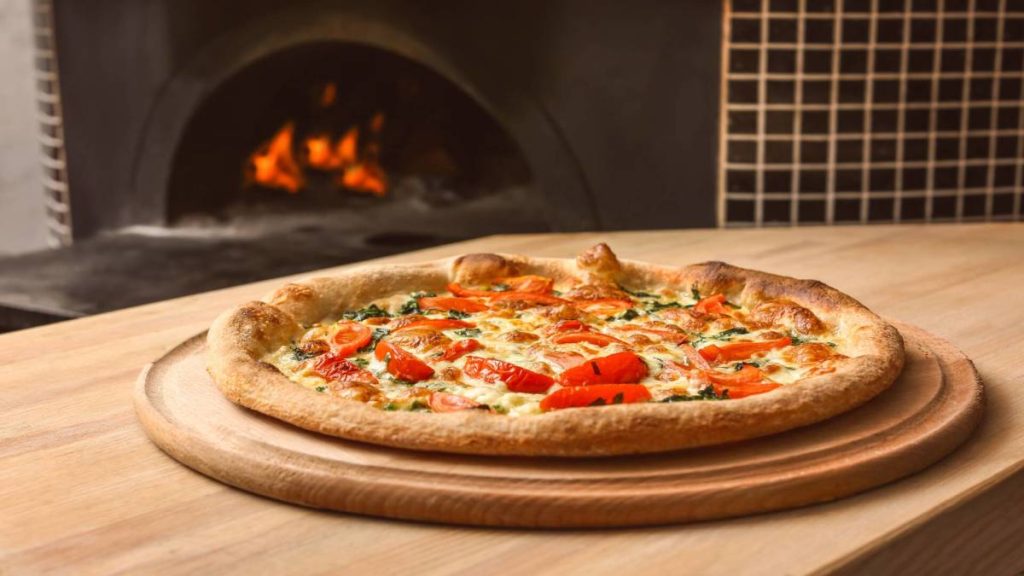
The recent bankruptcy filing of a major pizza chain, its fourth Chapter 11 filing in just a year, has sent shockwaves through the US dining sector, highlighting the intense pressure restaurants are under due to fierce competition, rising labor and food costs, and high lease rates.
Key Takeaways
- The pizza dining sector is experiencing a significant downturn, with hundreds of locations closing and several major chains filing for bankruptcy.
- Rising labor and food costs, along with high lease rates, are major contributors to the financial struggles of these chains.
- This is not an isolated incident, as the entire restaurant industry is grappling with similar challenges, making it a critical time for investors to reassess their portfolios.
Bankruptcy in the Pizza Industry: A Deep Dive
The pizza chain’s bankruptcy filing is a stark reminder of the difficulties faced by the dining sector. Imagine an investor who bought into a pizza chain a few years ago, expecting steady growth and returns. However, with the onset of the industry downturn, this investment has likely turned sour, with the chain struggling to stay afloat amidst inflationary pressures that increase food and labor costs.
Inflation, in this context, refers to the general increase in prices of goods and services, including food ingredients and labor, which reduces the purchasing power of consumers and increases the operational costs for businesses. For a pizza chain, this means higher costs for ingredients like cheese, sauce, and dough, as well as increased labor costs due to rising minimum wages and benefits.
Hypothetically, consider a small pizza chain that operates on thin margins. An increase in the price of cheese by 10% could significantly impact their profitability, forcing them to either increase prices, which could deter customers, or absorb the loss, which could lead to financial strain. This scenario is not unique and is playing out across the industry, leading to closures and bankruptcies.
Context: Why This Matters Now
The current economic environment, marked by high inflation and rising interest rates, is particularly challenging for businesses with high operational costs, such as restaurants. Historically, similar economic downturns have led to significant consolidations in the dining sector, with stronger chains acquiring weaker ones or closing underperforming locations. This process, while painful in the short term, can lead to a healthier, more competitive industry in the long run.
Similar to the 2008 financial crisis, when many businesses were forced to restructure or file for bankruptcy, the current situation in the pizza industry is a test of resilience and adaptability for both businesses and investors. The difference this time around is the added pressure of changing consumer preferences, with more emphasis on delivery, sustainability, and digital ordering, which requires significant investment in technology and marketing.
Pros and Cons for Your Portfolio
- Risk: Investing in a restaurant chain during this period of instability could result in significant losses if the chain is unable to adapt to the changing market conditions and ends up filing for bankruptcy.
- Opportunity: For investors who are willing to take on risk, there could be opportunities to buy into strong, resilient chains at discounted prices, potentially leading to substantial returns if the industry recovers and these chains emerge stronger.
What This Means for Investors
Given the current state of the pizza industry, investors should approach with caution. It’s essential to conduct thorough research on any potential investment, considering factors such as the chain’s financial health, its ability to adapt to changing consumer preferences, and its strategy for navigating economic headwinds. Diversification is key, as is keeping a long-term perspective, recognizing that industries often emerge from downturns stronger and more resilient.
Investors might also consider alternative investment strategies, such as focusing on technology companies that support the dining industry, like food delivery platforms or restaurant software providers, which could benefit from the trends driving change in the sector. Ultimately, the decision to buy, sell, or hold should be based on a careful analysis of the investment’s potential for growth versus its risk, considering both the specific company’s situation and the broader industry trends.

 Maximize Medicare Advantage Savings Through Comparison
  McDonald’s Debunks Rumors Surrounding New Burger Launch
  Anthropic’s Pentagon Battle Takes a Dramatic Turn
  Bank of America Updates Amazon Stock Forecast: What It Means
  28 Restaurants Closing in April: What Went Wrong
  Walmart’s $188 Spring Storage Shed: 50% Off Sale