


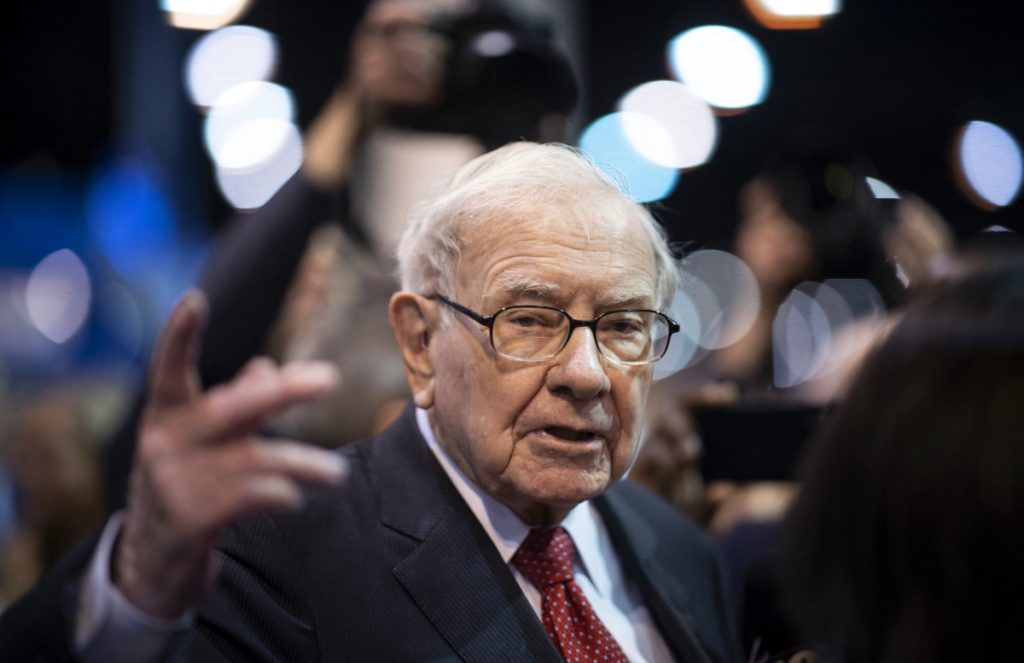
Berkshire Hathaway’s recent move back into the newspaper business, specifically with a new position in The New York Times Co., has sparked interest among investors, highlighting the conglomerate’s strategic diversification and potential for long-term value creation in a changing media landscape.
Key Takeaways
- Berkshire Hathaway has acquired a new position in The New York Times Co., marking a return to the newspaper industry after a previous exit.
- This move signifies Berkshire’s continued pursuit of value investments across various sectors, including media and publishing.
- The investment decision reflects Warren Buffett’s long-term approach to investing, focusing on companies with strong brand recognition and potential for sustainable growth.
Deep Dive into Berkshire Hathaway’s Investment Strategy
Berkshire Hathaway’s decision to invest in The New York Times Co. is a strategic move that underscores the company’s commitment to diversifying its portfolio. By entering the newspaper industry again, Berkshire is essentially betting on the enduring value of high-quality journalism and the potential for digital transformation in the media sector. This move is characteristic of Warren Buffett’s investment philosophy, which emphasizes the importance of value investing in companies with strong fundamentals and growth potential.
Context: Why This Matters Now
The current economic landscape, marked by fluctuations in the stock market and ongoing digital transformation across industries, presents both challenges and opportunities for investors. Berkshire Hathaway’s investment in The New York Times Co. comes at a time when the media industry is navigating significant changes, including shifts in consumer behavior and the rise of digital media platforms. This context suggests that Berkshire is positioning itself for potential long-term gains in a sector that, while challenging, offers opportunities for innovation and growth.
Pros and Cons for Your Portfolio
- Risk: Investing in the newspaper industry carries inherent risks, including declining print subscriptions and intense competition from digital news sources, which could impact the financial performance of The New York Times Co.
- Opportunity: Berkshire Hathaway’s investment could signal a turning point for the company, leveraging The New York Times Co.’s brand recognition and journalistic excellence to explore new revenue streams and digital expansion, potentially leading to long-term value creation for shareholders.
What This Means for Investors
For investors, Berkshire Hathaway’s move into the newspaper industry with its investment in The New York Times Co. serves as a reminder of the importance of diversification and adopting a long-term perspective. While the media landscape is evolving rapidly, high-quality assets with strong brand equity can offer stable value and potential for growth. Investors should consider the strategic implications of such investments and how they align with their own portfolio goals and risk tolerance, potentially exploring similar value investing opportunities in the media and publishing sectors.
Historical Context and Future Outlook
Historically, Berkshire Hathaway has demonstrated a keen ability to identify and capitalize on undervalued assets, often with a long-term view that transcends short-term market fluctuations. Similar to its investments in other sectors, such as retail and insurance, Berkshire’s foray back into the newspaper industry may signal a broader strategy to capitalize on the digital transformation of traditional media. As investors look to the future, understanding the rationale behind Berkshire’s investment decisions can provide valuable insights into navigating complex market conditions and identifying potential opportunities for sustainable growth.
Investment Strategies for a Changing Market
Given the dynamic nature of the current market, investors would do well to adopt a flexible investment strategy that balances risk and potential return. This might involve diversifying portfolios across different sectors, including those undergoing significant transformation like the media industry. By hedging against volatility and focusing on fundamental value, investors can better position themselves to capitalize on emerging opportunities, whether in traditional industries like publishing or in burgeoning sectors like digital media and technology.
Conclusion and Next Steps
In conclusion, Berkshire Hathaway’s investment in The New York Times Co. highlights the company’s enduring commitment to value investing and its willingness to navigate complex market landscapes in pursuit of long-term growth. For investors, this move serves as a reminder of the importance of strategic diversification, a long-term perspective, and the potential for value creation in unexpected sectors. As the media and publishing industries continue to evolve, investors should remain vigilant for opportunities that align with their risk tolerance and investment goals, always keeping a keen eye on the strategic moves of market leaders like Berkshire Hathaway.

 Target’s Hidden Customer Issue: What’s Going Wrong
  TurboTax 30% Off at Amazon: Prep for Tax Season Now
  Top AI Stocks to Buy Now: Expert Reveals 2 Must-Haves
  Coffee Chain Files Chapter 11: Cafe Closures Explained
  Royal Caribbean Makes Surprising Change Customers Have Been Asking For
  To rewrite the title “Disney is about to fundamentally change”, let’s analyze and follow the given instructions.
1. **Core Keywords**: The core keyword here is “Disney”.
2. **Punchy, Urgent, or Benefit-Driven Title**: To make it punchy and urgent, we need to imply that something significant is happening or about to happen with Disney.
3. **Front-load Keywords**: Starting with “Disney” is a good start since it’s the main subject.
4. **Length Constraint**: The title must be under 60 characters.
5. **Formatting**: Use Title Case.
Given these constraints, a possible rewritten title could be: Disney Revolution: What’s Changing Now
Let’s refine it to fit under 60 characters and make it more intriguing: Disney Revolution: What’s Next
This title maintains the core keyword, is under 60 characters, and uses Title Case. However, to strictly adhere to the character limit and enhance clarity, a more refined version is: Disney’s Big Change
Upon further refinement for maximum CTR and adhering strictly to the instructions: Disney’s Shocking New Direction
To rewrite the title “Disney is about to fundamentally change”, let’s analyze and follow the given instructions.
1. **Core Keywords**: The core keyword here is “Disney”.
2. **Punchy, Urgent, or Benefit-Driven Title**: To make it punchy and urgent, we need to imply that something significant is happening or about to happen with Disney.
3. **Front-load Keywords**: Starting with “Disney” is a good start since it’s the main subject.
4. **Length Constraint**: The title must be under 60 characters.
5. **Formatting**: Use Title Case.
Given these constraints, a possible rewritten title could be: Disney Revolution: What’s Changing Now
Let’s refine it to fit under 60 characters and make it more intriguing: Disney Revolution: What’s Next
This title maintains the core keyword, is under 60 characters, and uses Title Case. However, to strictly adhere to the character limit and enhance clarity, a more refined version is: Disney’s Big Change
Upon further refinement for maximum CTR and adhering strictly to the instructions: Disney’s Shocking New Direction