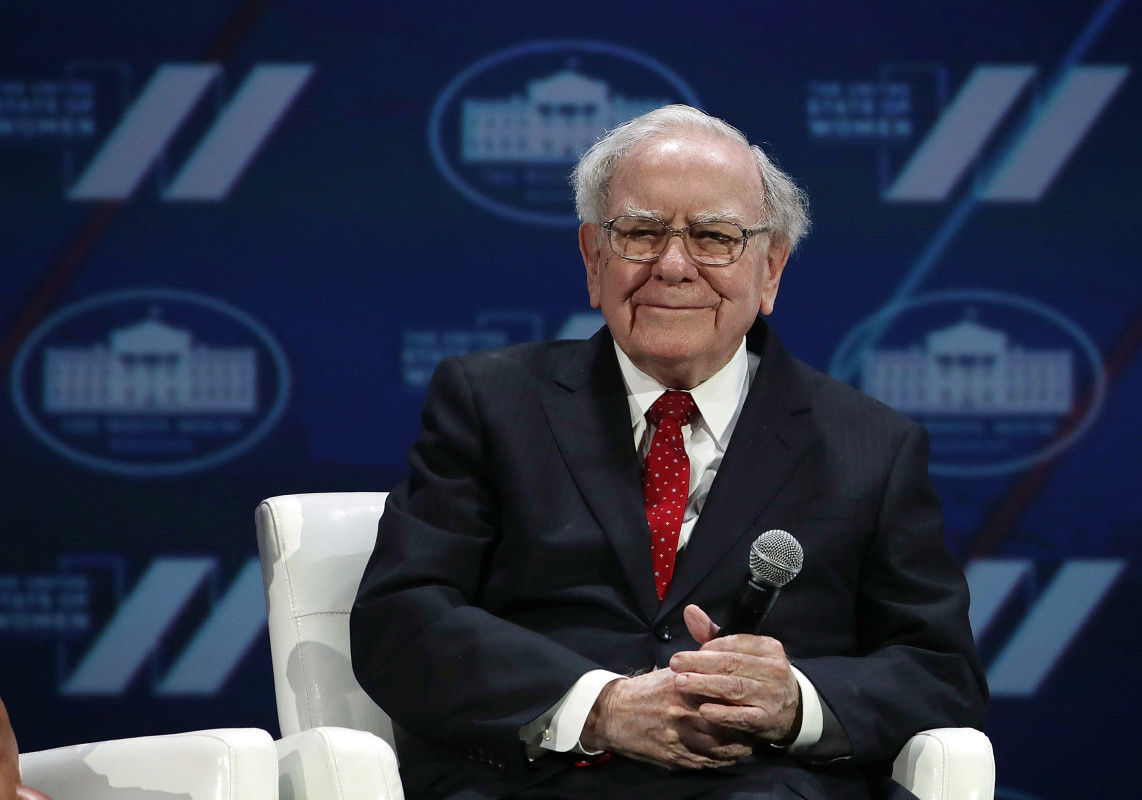
As the financial world bids farewell to an era, with Warren Buffett’s impending departure as CEO of Berkshire Hathaway, investors are reflecting on his extraordinary legacy, marked by an unprecedented 3,950,000% increase in stock value from $19/share in 1965 to $750,000/share today.
Key Takeaways
Warren Buffett’s Berkshire Hathaway: A Deep Dive
Warren Buffett’s journey with Berkshire Hathaway began in 1965 when he took control of the company, which was then a struggling textile mill. Over the decades, Buffett transformed Berkshire into a multinational conglomerate with a diverse portfolio of businesses, including insurance, retail, and manufacturing. His investment philosophy, focused on long-term value creation and disciplined decision-making, has been instrumental in the company’s success.
One of the key factors contributing to Berkshire’s phenomenal growth has been Buffett’s ability to identify and capitalize on undervalued opportunities. Through his unique investment approach, which combines elements of value investing and business acumen, Buffett has made savvy acquisitions and investments that have significantly contributed to the company’s expansion. For instance, his investment in Coca-Cola in the late 1980s has yielded substantial returns over the years, demonstrating his foresight and patience as an investor.
Context: Why This Matters Now
The significance of Warren Buffett’s achievements and his impending departure as CEO of Berkshire Hathaway cannot be overstated. It marks a pivotal moment in the history of the company and the investment world at large. As the global economy continues to evolve, with factors such as inflation, technological innovation, and geopolitical shifts influencing market trends, the lessons from Buffett’s tenure offer valuable insights for investors and business leaders alike. Inflation, for example, works by eroding the purchasing power of money over time, making it crucial for investments to outpace its effects to maintain real value.
Historically, similar transitions in leadership have led to periods of uncertainty and market volatility, as seen in the 2008 financial crisis or the 2021 tech boom. However, Berkshire Hathaway’s diversified portfolio and strong management team are expected to provide stability during this transition period. Imagine an investor who bought into Berkshire Hathaway at its inception and held on; they would have seen their investment grow exponentially, a rare success story in the investment world.
Pros and Cons for Your Portfolio
- Risk: The transition in leadership could potentially lead to a shift in investment strategy, which might not align with the expectations of all shareholders, thereby introducing an element of risk.
- Opportunity: The legacy and foundation built by Warren Buffett provide a solid base for future growth, presenting an opportunity for investors to be part of Berkshire Hathaway’s next chapter of expansion and value creation.
What This Means for Investors
As investors look to the future, they should consider the strategic implications of Warren Buffett’s legacy and the impending change in leadership at Berkshire Hathaway. For those considering investing in Berkshire Hathaway or looking to adjust their portfolios in response to this news, it’s essential to take a long-term view, focusing on the company’s fundamental strengths and the potential for continued growth under new leadership. Given the current market conditions and the company’s diversified portfolio, a wait-and-see approach might be prudent, allowing investors to assess how the transition unfolds and its impact on the company’s stock performance.
In conclusion, Warren Buffett’s departure as CEO of Berkshire Hathaway marks the end of an era but also presents a new chapter of opportunities for the company and its investors. By understanding the context of this transition and applying the investment principles that have guided Berkshire’s success, investors can make informed decisions that align with their financial goals and risk tolerance.