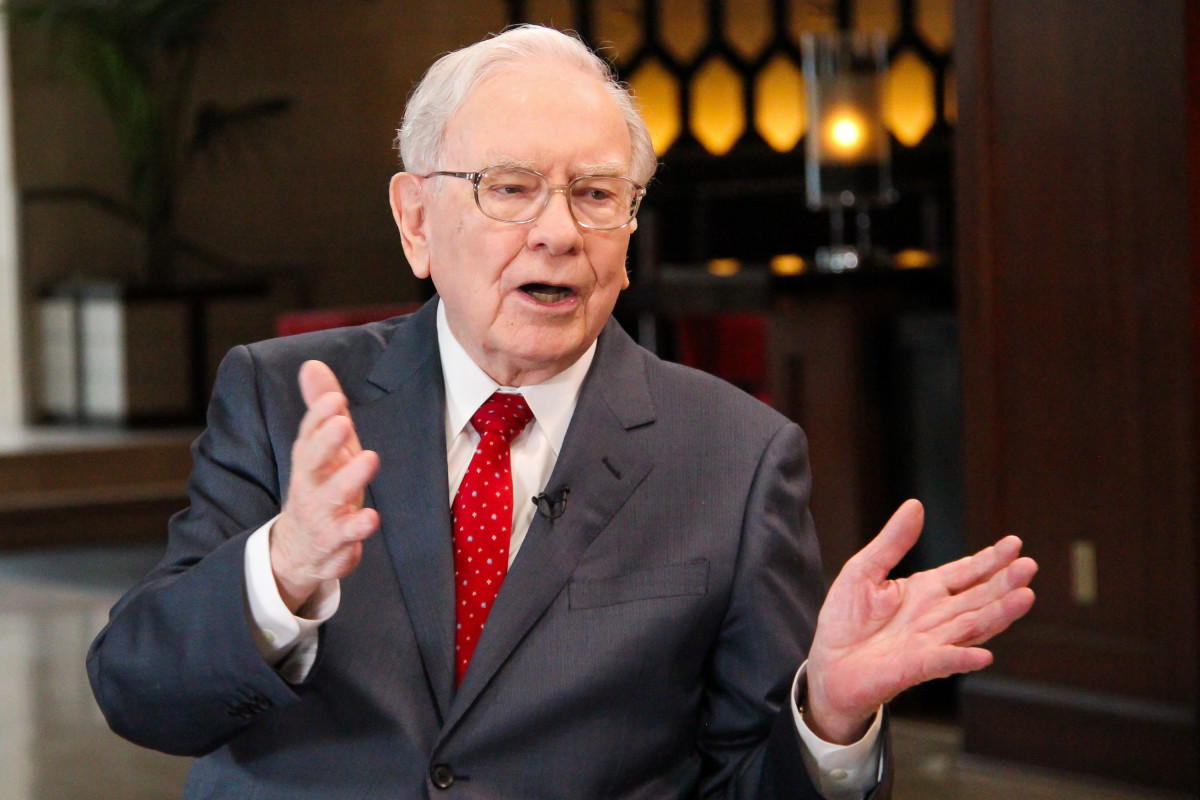
As the investment world watches Warren Buffett step back from his role as CEO of Berkshire Hathaway, his confidence in the company’s enduring success has sparked a heated debate among investors about the viability of Berkshire as a long-term holding.
Key Takeaways
- Warren Buffett believes Berkshire Hathaway has a better chance of surviving 100 years from now than any other company he can think of.
- This statement comes as Buffett prepares to step down as CEO, marking a significant transition for the company.
- Investors are being dared to treat Berkshire as a lifetime investment, raising questions about the company’s future and its potential impact on portfolios.
Berkshire’s Future: A Deep Dive
Berkshire Hathaway, under the guidance of Warren Buffett, has grown into a multinational conglomerate with a diverse portfolio of businesses, including insurance, retail, and manufacturing. The company’s success can be attributed to Buffett’s value investing philosophy, which focuses on purchasing undervalued companies with strong fundamentals. As Buffett transitions out of his role as CEO, the question on every investor’s mind is whether Berkshire can maintain its momentum without its iconic leader.
Imagine an investor who bought into Berkshire Hathaway during its early days, witnessing the company’s transformation into the giant it is today. This investor would have seen significant returns on their investment, thanks to Berkshire’s consistent dividend payments and strategic acquisitions. However, with Buffett’s departure, there is uncertainty about the company’s future direction and ability to navigate market volatility.
Context: Why This Matters Now
The current economic landscape, marked by inflationary pressures and interest rate fluctuations, presents a challenging environment for investors. Inflation, which refers to the rate at which prices for goods and services are rising, can erode the purchasing power of investments if not managed properly. In this context, Berkshire’s ability to withstand economic downturns and maintain its value over the long term is being scrutinized. Similar to the 2008 financial crisis, when Berkshire’s diversified portfolio helped the company weather the storm, investors are looking for stocks that can provide stability in uncertain times.
Historically, Berkshire Hathaway has demonstrated resilience in the face of economic adversity, making it an attractive option for investors seeking long-term growth. The company’s cash reserves and diversified portfolio have allowed it to make strategic investments during times of market turmoil, positioning it for future success.
Pros and Cons for Your Portfolio
- Risk: One potential downside of investing in Berkshire Hathaway is the company’s concentrated portfolio, which leaves it vulnerable to significant losses if any of its major holdings experience difficulties. Additionally, the transition in leadership could lead to management risks if the new CEO’s vision for the company differs significantly from Buffett’s.
- Opportunity: On the other hand, Berkshire’s diversified business model and experienced management team provide a solid foundation for long-term growth. The company’s strong balance sheet and history of strategic acquisitions also position it for potential future expansion and increased shareholder value.
What This Means for Investors
Given the current market conditions and Berkshire’s historical performance, investors should approach this opportunity with a long-term perspective. Rather than trying to time the market or react to short-term fluctuations, investors should focus on the company’s fundamental strengths and its potential for sustainable growth. This might involve rebalancing portfolios to ensure adequate diversification and positioning for potential inflation by including assets that historically perform well in inflationary environments.
Ultimately, whether to buy, sell, or hold Berkshire Hathaway depends on an investor’s individual financial goals, risk tolerance, and investment horizon. However, for those willing to take a 100-year view, as Buffett suggests, the potential rewards could be substantial. By adopting a patient investment approach and conducting thorough research, investors can make informed decisions about whether Berkshire Hathaway is right for their portfolios.