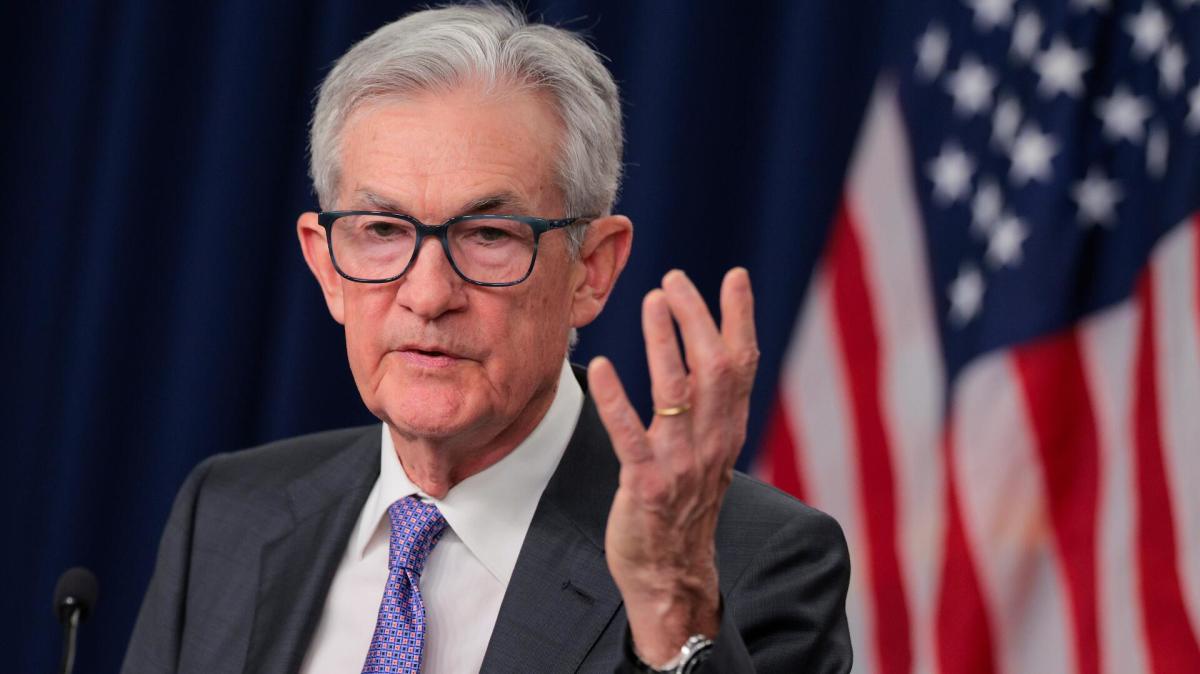
As the Federal Reserve’s monetary policy decisions continue to shape the US economy, a recent research note from Bank of America has poured cold water on expectations of a rate-cut party, citing Jerome Powell’s continued leadership until May as a key factor in determining the future of interest rates.
Key Takeaways
- The Federal Reserve, led by Jerome Powell, is expected to maintain its current stance on interest rates until May.
- Bank of America’s research note suggests that investors should not anticipate a series of rate cuts in the near future.
- The decision to keep interest rates steady will have significant implications for the US economy, inflation, and investor portfolios.
Understanding the Federal Reserve’s Role in Setting Interest Rates
The Federal Reserve, the central bank of the United States, plays a crucial role in setting monetary policy, including determining interest rates. Inflation, which refers to the rate at which prices for goods and services are rising, is a key factor in the Fed’s decision-making process. When inflation is high, the Fed may raise interest rates to slow down the economy and curb price increases. Conversely, when inflation is low, the Fed may lower interest rates to stimulate economic growth.
Context: Why This Matters Now
The current economic landscape is characterized by low unemployment rates, steady economic growth, and relatively low inflation. However, the Fed’s decision to maintain interest rates will have a significant impact on the economy, particularly in the context of the ongoing COVID-19 pandemic and global trade tensions. Historically, the Fed has used interest rates as a tool to stabilize the economy during times of uncertainty. For example, during the 2008 financial crisis, the Fed lowered interest rates to near zero to stimulate economic growth. Similarly, in 2021, the Fed kept interest rates low to support the economy during the pandemic.
Pros and Cons for Your Portfolio
- Risk: A steady interest rate environment may lead to decreased demand for bonds, potentially resulting in lower yields and reduced returns for fixed-income investors.
- Opportunity: A stable interest rate environment can provide a favorable backdrop for stocks, particularly those in the technology and growth sectors, as a low-rate environment can lead to increased borrowing and investment.
What This Means for Investors
Given the current economic landscape and the Fed’s decision to maintain interest rates, investors should consider a balanced approach to their portfolios. This may involve diversifying across asset classes, including stocks, bonds, and alternative investments. Additionally, investors should be mindful of the potential risks associated with a steady interest rate environment, such as decreased demand for bonds and potential inflationary pressures. By taking a strategic and informed approach, investors can navigate the complexities of the current market and position themselves for long-term success.
Historical Precedent and Future Implications
Similar to the 2015-2016 period, when the Fed kept interest rates low to support the economy, the current environment is characterized by low inflation and steady economic growth. However, the ongoing pandemic and global trade tensions have introduced new uncertainties into the market. As such, investors should be prepared for potential fluctuations in interest rates and adjust their portfolios accordingly. By understanding the historical context and the Fed’s decision-making process, investors can make more informed decisions and navigate the complexities of the current market.
Investment Strategies for a Low-Interest Rate Environment
In a low-interest rate environment, investors may consider alternative investment strategies, such as dividend investing or real estate investing. These strategies can provide a relatively stable source of returns, even in a low-yield environment. Additionally, investors may consider investing in sectors that are less sensitive to interest rates, such as technology or healthcare. By diversifying their portfolios and adapting to the current market conditions, investors can position themselves for long-term success and mitigate potential risks.
Conclusion and Future Outlook
In conclusion, the Federal Reserve’s decision to maintain interest rates will have significant implications for the US economy and investor portfolios. By understanding the historical context, the Fed’s decision-making process, and the potential risks and opportunities associated with a steady interest rate environment, investors can make more informed decisions and navigate the complexities of the current market. As the economy continues to evolve, investors should remain vigilant and adapt their strategies to reflect changing market conditions. With a balanced and informed approach, investors can position themselves for long-term success and achieve their financial goals.