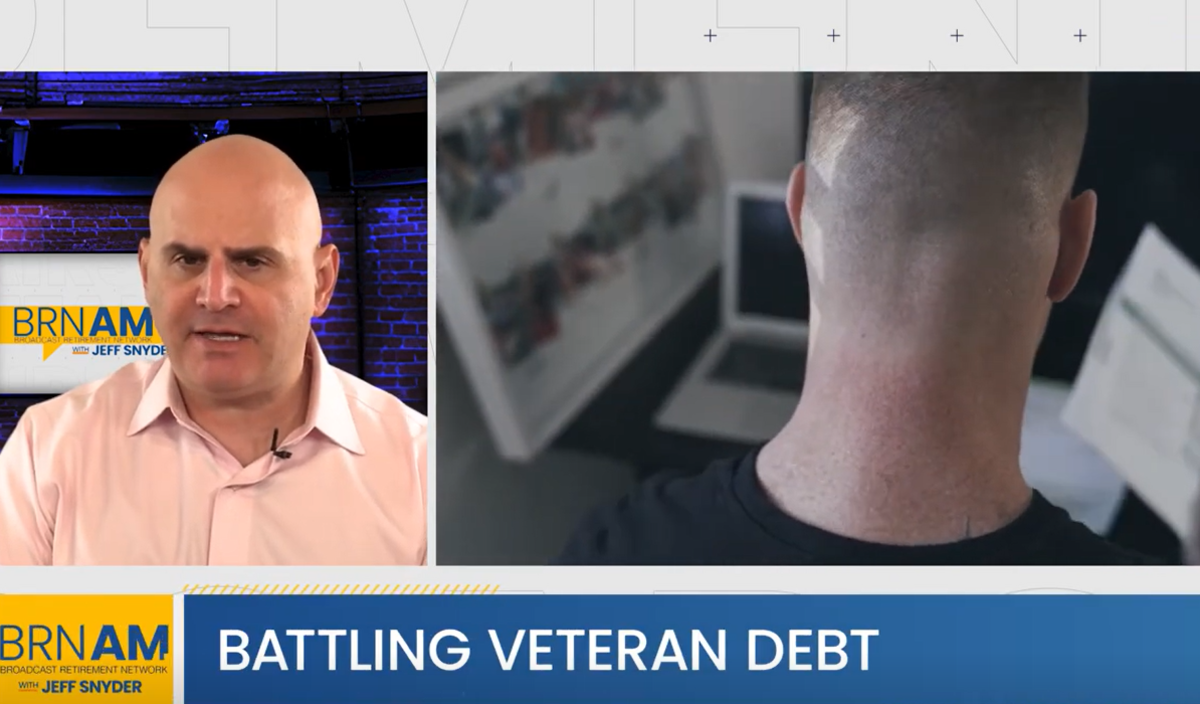
Veterans are facing a mounting debt crisis, with many struggling to manage their finances and achieve financial stability, prompting a call to action for effective solutions to alleviate debt burdens and support those who have served their country.
Key Takeaways
- Veterans are experiencing increasing levels of debt due to various factors, including unemployment, medical expenses, and credit card debt.
- Organizations like End Veteran Debt are working to provide support and resources to help veterans manage their debt and achieve financial stability.
- Effective solutions to alleviate debt burdens include debt consolidation, credit counseling, and financial education.
Breaking Down Veteran Debt: A Deep Dive
The issue of veteran debt is a complex and multifaceted problem that requires a comprehensive approach to solve. According to Jeffrey Snyder, from the Broadcast Retirement Network, and Jerry Ashton, from End Veteran Debt, veterans are facing a perfect storm of financial challenges, including inflation, which can erode the purchasing power of their benefits and savings. Imagine a veteran who is living on a fixed income, only to see their cost of living increase due to inflation, making it difficult to make ends meet.
For example, consider a veteran who is receiving a monthly benefit of $2,000, which is intended to cover their living expenses. However, due to inflation, the cost of living increases by 3%, making it difficult for the veteran to afford basic necessities like food, housing, and healthcare. This can lead to a cycle of debt, as the veteran may be forced to rely on credit cards or loans to cover their expenses.
Context: Why This Matters Now
The issue of veteran debt is not a new phenomenon, but it has become increasingly pressing in recent years due to a combination of economic and demographic factors. Similar to the 2008 financial crisis, which led to widespread job losses and financial instability, the current economic environment is characterized by uncertainty and volatility. This can make it difficult for veterans to find stable employment, manage their finances, and achieve financial stability.
Historically, veterans have faced unique challenges in transitioning to civilian life, including finding employment, accessing healthcare, and managing their finances. According to the Bureau of Labor Statistics, the unemployment rate for veterans is higher than that of non-veterans, which can exacerbate the problem of debt. Furthermore, the rising cost of living, particularly in areas with high concentrations of veterans, can make it difficult for veterans to afford basic necessities, leading to debt and financial instability.
Pros and Cons for Your Portfolio
- Risk: Investing in debt relief programs or organizations that support veterans may carry some risk, as the effectiveness of these programs may vary, and the return on investment may be uncertain.
- Opportunity: On the other hand, investing in debt relief programs or organizations that support veterans can provide a unique opportunity to make a positive impact on the lives of those who have served their country, while also potentially generating a return on investment.
What This Means for Investors
For investors, the issue of veteran debt presents a complex and multifaceted challenge that requires a thoughtful and strategic approach. While there are risks associated with investing in debt relief programs or organizations that support veterans, there are also potential opportunities for returns on investment, as well as the chance to make a positive impact on the lives of those who have served their country.
From a strategic perspective, investors may consider diversifying their portfolios to include a mix of debt relief programs, organizations that support veterans, and other investments that align with their values and goals. Additionally, investors may want to consider working with financial advisors or investment professionals who have experience in this area, to ensure that their investments are aligned with their values and goals, and that they are maximizing their potential returns.
Ultimately, the issue of veteran debt is a call to action for investors, policymakers, and individuals to come together to support those who have served their country. By providing effective solutions to alleviate debt burdens, we can help veterans achieve financial stability, and ensure that they receive the support and recognition they deserve.