


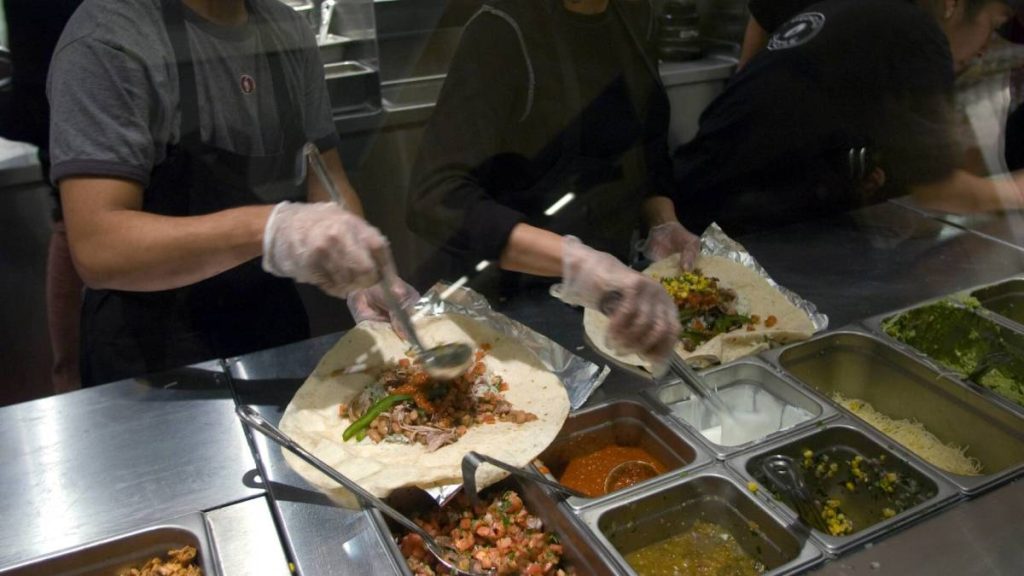
As the fast-casual dining sector faces a slump in sales, Chipotle’s recent earnings report has sparked concerns among investors, with the company disclosing a 2.5% year-over-year decline in comparable sales, prompting a reevaluation of its strategy and potential implications for the market.
Key Takeaways
- Chipotle’s fourth-quarter 2025 earnings report revealed a 2.5% decline in comparable sales, indicating a challenging period for the fast-casual chain.
- The company is implementing a new strategy to revamp its sales and regain market share, which may involve menu innovations, enhanced customer experience, and strategic marketing initiatives.
- The decline in sales is not unique to Chipotle, as several restaurants in the sector have experienced similar drops, suggesting a broader industry trend that may be influenced by economic factors such as inflation, changing consumer preferences, and increased competition.
Chipotle’s Strategy: A Deep Dive
Chipotle, known for its made-to-order burritos, bowls, tacos, and salads, has been a leader in the fast-casual segment. However, the recent decline in sales necessitates a closer look at the company’s strategy and the potential factors contributing to this trend. Imagine an investor who bought Chipotle stock a year ago, expecting steady growth; this decline may prompt a reevaluation of their investment portfolio. The company’s new strategy might involve enhancing its digital presence, introducing new menu items, and focusing on sustainability and quality to attract and retain customers.
Context: Why This Matters Now
The current economic environment, marked by rising inflation and shifting consumer behaviors, plays a significant role in the decline of sales across the fast-casual sector. Inflation, in this context, refers to the increase in prices of food ingredients and other operational costs, which can erode profit margins if not managed effectively. Similar to the 2008 financial crisis, where consumer spending habits changed significantly, today’s economic landscape requires restaurants to adapt their strategies to meet evolving consumer preferences and economic realities. The COVID-19 pandemic has also accelerated changes in how people dine, with a greater emphasis on delivery, digital ordering, and convenience, trends that Chipotle and its competitors must address to remain competitive.
Pros and Cons for Your Portfolio
- Risk: The decline in sales could continue if Chipotle’s new strategy does not resonate with consumers, potentially leading to further stock price volatility and decreased investor confidence.
- Opportunity: If Chipotle successfully implements its strategy, regaining market share and improving sales, this could present a buying opportunity for investors who believe in the company’s long-term potential, especially if the stock price has been depressed by short-term challenges.
What This Means for Investors
Investors should closely monitor Chipotle’s progress in implementing its new strategy and its impact on sales and profitability. Given the challenging market conditions, it’s essential to consider the broader industry trends and how they might affect Chipotle and its competitors. For those considering investing in Chipotle or the fast-casual sector, it may be wise to wait and see how the company’s strategy unfolds, particularly in terms of its ability to innovate, control costs, and attract customers in a competitive and inflationary environment. A strategic perspective would involve evaluating Chipotle’s potential for long-term growth, its competitive advantages, and the overall health of the fast-casual dining market, rather than making investment decisions based solely on short-term fluctuations.

 Portable Camping Stove on Sale: $19 Emergency Kit Essential
  Dow Jones Dropouts: What Happens After Being Removed from DJIA
  Top Analyst Warns: Amazon vs Google Stock Disparity Unfolds
  Global Markets Shaken: Japan Election Impact on Stocks
  Goldman Sachs Offloads Routine Tasks to AI Claude
  Soda Giants Revive Classics, Launch New Flavors Amid Market Shakeup