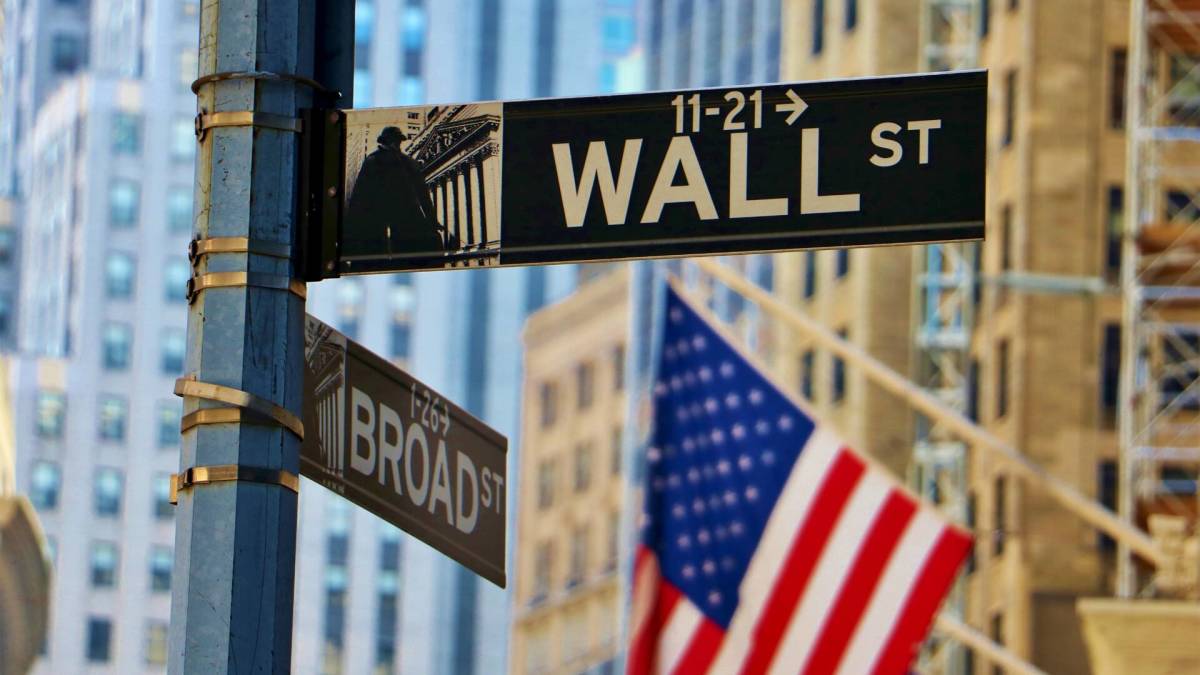
As the year 2025 comes to a close, investors are bracing themselves for the holiday season, with Christmas Eve and Christmas Day closures looming large on the horizon, affecting trading hours for the New York Stock Exchange (NYSE) and the Nasdaq.
Key Takeaways
- The New York Stock Exchange (NYSE) and the Nasdaq will have altered trading hours during the Christmas holiday period in 2025.
- Understanding these hours is crucial for day traders and investors to plan their strategies accordingly and avoid any unexpected disruptions.
- The holiday schedule can impact market volatility and trading volumes, presenting both risks and opportunities for investors.
Christmas 2025 Stock Market Hours: A Deep Dive
The Christmas holiday period in 2025 will see the NYSE and the Nasdaq operating on reduced hours, with Christmas Eve (December 24, 2025) observing a half-day schedule, typically closing at 1 PM ET, and Christmas Day (December 25, 2025) being a full market holiday, with all trading activities coming to a halt. This adjustment in trading hours is a standard practice for US stock exchanges during major holidays.
For investors, particularly those who engage in day trading or have open positions, it’s essential to be aware of these hours to manage their portfolios effectively. The reduced trading window on Christmas Eve can lead to higher volatility due to lower liquidity, making it a critical period for active traders to monitor their positions closely.
Context: Why This Matters Now
The impact of holiday trading hours on the stock market is more pronounced in today’s fast-paced, globally interconnected financial landscape. With the rise of electronic trading and the ability to access markets from anywhere in the world, the traditional holiday closures can create pockets of volatility and unpredictability. Economic factors such as inflation, which can influence consumer spending and, by extension, market performance, are also at play during the holiday season.
Historically, the period around Christmas has seen a mix of market trends, with some years experiencing a “Santa Claus rally,” a phenomenon where the stock market rises in the last five trading days of the year and the first two trading days of the new year. However, this is not a guaranteed event and can be influenced by a myriad of factors, including economic indicators, geopolitical events, and investor sentiment.
Pros and Cons for Your Portfolio
- Risk: The condensed trading schedule and lower liquidity on Christmas Eve can increase the volatility of stocks, potentially leading to larger-than-expected losses if not managed properly. Additionally, the inability to react to news or market movements on Christmas Day can leave investors exposed to unforeseen events.
- Opportunity: The holiday season, with its traditionally lighter trading volumes, can also present opportunities for strategic investors. The reduced activity can sometimes lead to oversold or undervalued positions, which savvy investors can capitalize on once the markets reopen. Moreover, the period following the holidays can see a resurgence in trading activity, potentially driving up prices of well-positioned stocks.
What This Means for Investors
Given the unique dynamics of the holiday trading period, investors should adopt a strategic approach. This includes reviewing and adjusting their portfolios before the holiday closures to minimize risk, keeping a close eye on market movements during the reduced hours on Christmas Eve, and being prepared to act quickly once the markets fully reopen. It’s also crucial for investors to stay informed about any significant economic or market developments that may occur during the holiday period, as these can impact trading decisions in the subsequent weeks.
Ultimately, the key to navigating the Christmas 2025 stock market hours successfully is a combination of planning, vigilance, and a deep understanding of the potential risks and opportunities that this unique trading period presents. By being proactive and informed, investors can mitigate risks and position themselves for potential gains in the year to come.