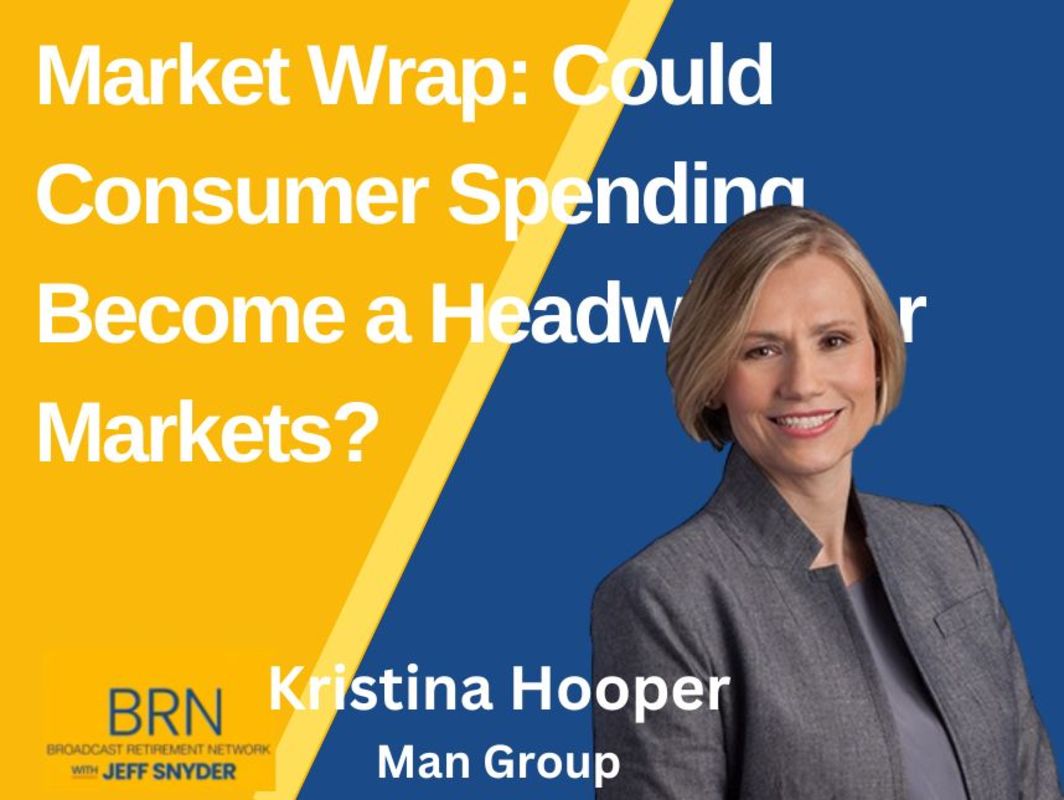
As consumer spending faces headwinds, investors are left wondering if markets are at risk of a downturn, prompting a closer look at the factors driving this trend and its potential impact on investments.
Key Takeaways
- Consumer spending, a key driver of economic growth, is experiencing headwinds due to various economic factors.
- Chief Market Strategists like Kristina Hooper are weighing in on the implications of this trend for the market.
- Understanding the causes and potential outcomes of decreased consumer spending is crucial for investors to make informed decisions.
Consumer Spending: A Deep Dive
Consumer spending is a critical component of the US economy, accounting for approximately 70% of the country’s GDP. When consumers spend less, it can have a ripple effect throughout the economy, impacting businesses, jobs, and ultimately, the stock market. Inflation, which has been a concern in recent years, can erode the purchasing power of consumers, leading to decreased spending. Imagine an investor who bought into the retail sector, only to see sales decline as consumers become more cautious with their spending.
Context: Why This Matters Now
The current economic landscape, marked by rising interest rates and global economic uncertainty, is contributing to the headwinds in consumer spending. Similar to the 2008 crash, when consumer confidence plummeted, leading to a significant decrease in spending, today’s investors are keenly aware of the potential risks. However, unlike 2008, the current economy has shown resilience, with the job market remaining strong. This contrast highlights the complexity of the situation, making it essential for investors to stay informed and adapt their strategies accordingly.
Economic Indicators
Economic indicators such as GDP growth, unemployment rates, and consumer confidence indexes are crucial in understanding the state of consumer spending. For instance, a decrease in consumer confidence, as measured by the Consumer Confidence Index, can signal a decrease in spending. Conversely, a strong job market, indicated by low unemployment rates, can support consumer spending. Economic indicators like these provide valuable insights for investors looking to navigate the current market conditions.
Pros and Cons for Your Portfolio
- Risk: A decline in consumer spending could lead to a downturn in the stock market, particularly affecting sectors heavily reliant on consumer discretionary spending, such as retail and hospitality.
- Opportunity: Investors who diversify their portfolios and include sectors less affected by consumer spending, such as healthcare or technology, may find opportunities for growth amidst the challenges.
Diversification Strategies
Diversifying a portfolio is key to managing risk. Investors can consider allocating their investments across different asset classes, sectors, and geographies. For example, investing in dividend-paying stocks or bonds can provide a steady income stream, less susceptible to the fluctuations in consumer spending. Additionally, considering investments in emerging markets or sectors with strong growth potential can offset risks in other areas of the portfolio.
What This Means for Investors
Given the current headwinds in consumer spending, investors should adopt a cautious yet strategic approach. This might involve rebalancing their portfolios to mitigate risk, seeking out opportunities in less volatile sectors, and staying informed about economic indicators and market trends. By doing so, investors can navigate the challenges posed by decreased consumer spending and position themselves for potential growth when the market recovers. It’s also essential for investors to consider their long-term goals and not make impulsive decisions based on short-term market fluctuations, thereby ensuring their investment strategies remain aligned with their overall financial objectives.
Long-Term Perspective
Taking a long-term perspective is crucial in investing. While short-term market volatility can be unsettling, historical data shows that markets tend to recover over time. Investors who maintain a well-diversified portfolio and avoid making knee-jerk reactions to market fluctuations are more likely to achieve their long-term financial goals. Moreover, staying abreast of market analysis from experts like Kristina Hooper can provide valuable insights, helping investors make informed decisions and navigate complex market conditions with confidence.