


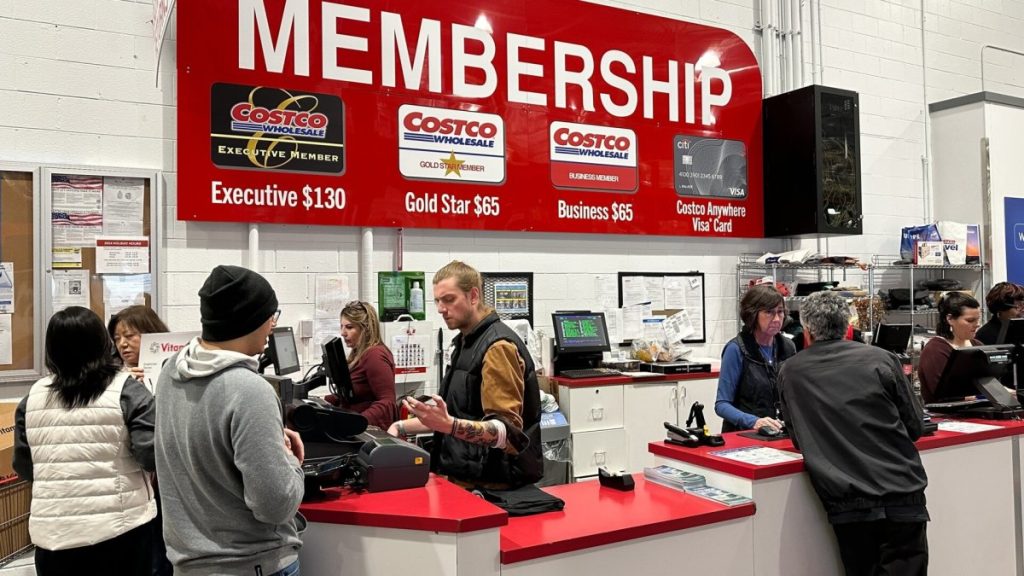
As the retail landscape continues to evolve, Costco’s strategic expansion of its big brand selection and further price cuts are poised to disrupt the market, leaving investors to ponder the potential implications for their portfolios.
Key Takeaways
- Costco is expanding its big brand selection to attract and retain customers in a competitive retail environment.
- The warehouse club is cutting prices further to enhance its value proposition and drive sales growth.
- This strategy is designed to balance the company’s treasure-hunt business model, which aims to create a unique shopping experience for its members.
Costco’s Strategic Expansion: A Deep Dive
Costco’s decision to expand its big brand selection is a deliberate move to cater to the changing preferences of its customer base. By offering a wider range of well-known brands, the company aims to increase customer loyalty and attract new members who are seeking a one-stop shopping experience. This strategy is complemented by the company’s treasure-hunt business model, which features an ever-changing selection of merchandise designed to delight customers and encourage them to visit the store regularly.
The treasure-hunt model is rooted in the concept of variable rewards, which creates a psychological response that motivates customers to return to the store in search of new and exciting products. By combining this model with its expanded big brand selection, Costco is creating a powerful synergy that can drive sales growth and increase customer retention.
Context: Why This Matters Now
The current retail environment is characterized by intense competition, with many retailers struggling to maintain market share in the face of rising inflation, which can be defined as a sustained increase in the general price level of goods and services in an economy. In this context, Costco’s strategy is a response to the changing market dynamics, as the company seeks to maintain its competitive edge and continue to deliver value to its customers.
Historically, similar strategies have been employed by retailers during times of economic uncertainty, such as the 2008 financial crisis, when consumers became increasingly price-sensitive and sought value-driven shopping experiences. By expanding its big brand selection and cutting prices, Costco is positioning itself for success in a market where customers are seeking both quality and affordability.
Pros and Cons for Your Portfolio
- Risk: One potential downside of investing in Costco is the risk of margin compression, as the company’s price cuts could erode its profit margins and impact its bottom line. This could be a concern for investors who are seeking stable and predictable returns.
- Opportunity: On the other hand, Costco’s strategic expansion and price cuts could create a significant opportunity for growth, as the company is well-positioned to capitalize on the changing retail landscape and attract new customers. This could be an attractive prospect for investors who are seeking long-term growth and are willing to take on some level of risk.
What This Means for Investors
For investors, Costco’s strategic expansion and price cuts present a complex landscape that requires careful consideration. While the company’s efforts to drive sales growth and increase customer loyalty are likely to be viewed positively, the potential risks associated with margin compression and intense competition cannot be ignored. As such, investors should take a long-term perspective and focus on the company’s ability to execute its strategy and deliver sustainable returns over time.
Imagine an investor who is seeking to diversify their portfolio and is considering adding a retail stock to their holdings. In this scenario, Costco’s unique business model and strategic expansion could make it an attractive option, as the company is well-positioned to capitalize on the changing retail landscape and deliver long-term growth. However, it is essential to carefully weigh the potential risks and opportunities and consider the investor’s individual goals and risk tolerance before making a decision.

 Invicta Watch 90% Off: Perfect for Daily Wear
  Iconic 55-Year-Old Home Depot Rival Shuts Down Suddenly
  Nordstrom Rack’s Shocking Sale: Boots From $9
  $42 Vintage Floral Ottoman With Hidden Storage – Walmart
  Amazon’s $50 2-Pack Storage Shelves Hold 500 Pounds Each
  Costco Revolutionizes Shopping Experience for Members