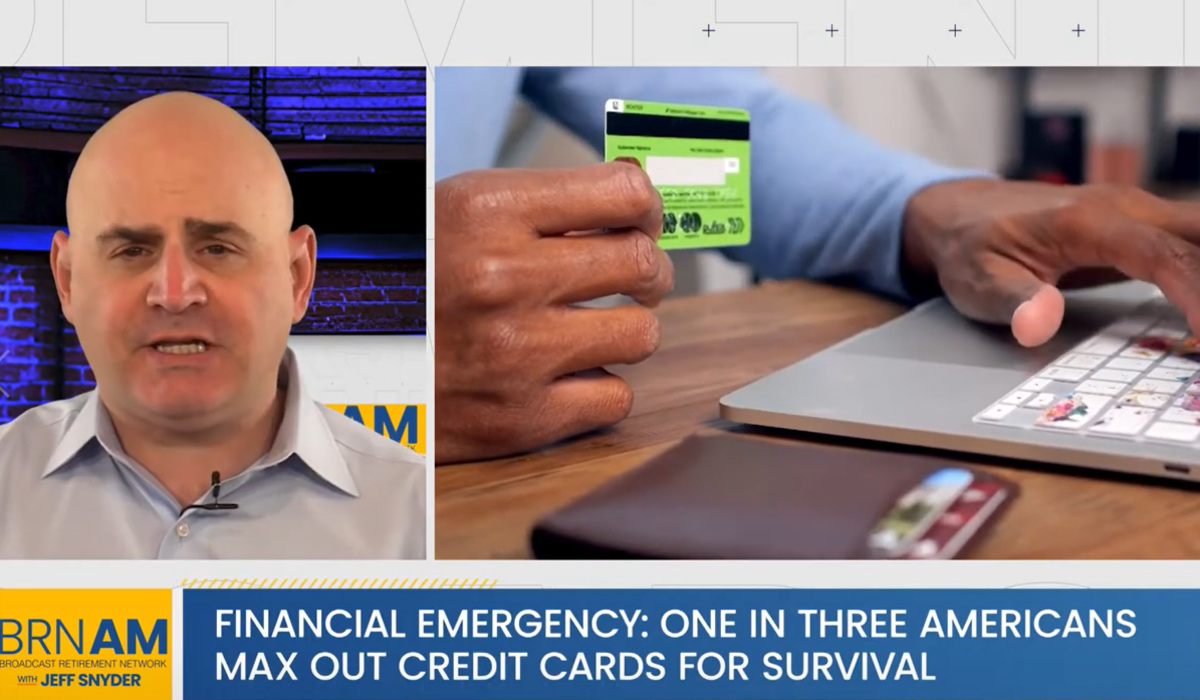
As the credit card crisis deepens, with 1 in 3 Americans hitting their credit limit just to survive, investors are left wondering how this will impact their portfolios and the overall economy, especially in a time of rising inflation.
Key Takeaways
- The credit card crisis is affecting a significant portion of the American population, with 1 in 3 individuals relying on credit to cover essential expenses.
- This trend is partly attributed to the increasing cost of living, fueled by inflation, which erodes the purchasing power of consumers.
- Experts like Jeffrey Snyder and Howard Dvorkin are emphasizing the need for strategic debt management and financial planning to mitigate the effects of this crisis.
Credit Card Crisis: A Deep Dive
The current credit card crisis is a multifaceted issue, involving not just the financial health of individuals but also the stability of the banking and financial sectors. Imagine an investor who bought into a credit card company’s stock, only to see the value plummet as default rates rise and regulatory scrutiny intensifies. This scenario highlights the interconnectedness of personal finance and investment strategies.
Understanding the Credit Card Crisis
To grasp the full extent of the crisis, it’s essential to understand how credit cards work and the factors contributing to the current situation. Interest rates, fees, and credit limits are key components that can either help or hinder an individual’s financial stability. For instance, high interest rates can exacerbate debt, while fees can add unexpected expenses, pushing individuals closer to their credit limits.
Historical Context: Lessons from the Past
Similar to the 2008 financial crisis, the current credit card crisis is partly a result of unsustainable financial practices. The ease of obtaining credit, coupled with the lack of comprehensive financial education, has led many individuals down a path of debt. This situation is reminiscent of the subprime mortgage crisis, where lax lending standards and complex financial instruments contributed to a catastrophic economic downturn.
Context: Why This Matters Now
The perfect storm of inflation, stagnant wages, and easy credit has created a challenging financial environment for many Americans. As prices rise due to inflation, the purchasing power of consumers decreases, forcing them to rely more heavily on credit to cover basic expenses. This trend is concerning, as it not only affects individuals but also has broader implications for the economy, potentially leading to reduced consumer spending and economic growth.
Pros and Cons for Your Portfolio
- Risk: The credit card crisis poses a significant risk to investors who have holdings in financial institutions or credit card companies, as increased default rates and regulatory pressures could lead to stock price declines.
- Opportunity: On the other hand, this crisis could present opportunities for investors to diversify their portfolios into sectors that are less affected by consumer debt, such as technology or healthcare, or to invest in companies that offer debt management solutions.
What This Means for Investors
Given the complexities of the credit card crisis, investors should adopt a cautious yet strategic approach. It’s crucial to reassess portfolio allocations, considering the potential risks and opportunities presented by this situation. Diversification is key, as is staying informed about economic trends and regulatory changes. Investors should also consider the long-term implications of the credit card crisis, including its impact on consumer spending and economic growth, and adjust their investment strategies accordingly.
Actionable Advice
For investors looking to navigate this challenging environment, several strategies can be employed. Firstly, diversifying investments across different asset classes can help mitigate risk. Secondly, considering investments in companies that provide financial services, such as debt counseling or financial planning, could offer a hedge against the crisis. Lastly, staying up-to-date with economic news and regulatory changes is essential for making informed investment decisions.
Conclusion
In conclusion, the credit card crisis, with 1 in 3 Americans hitting their credit limit for survival, is a multifaceted issue that affects not only individuals but also the broader economy. Understanding the causes, implications, and potential strategies for mitigation is crucial for investors aiming to protect and grow their portfolios. By adopting a well-informed and diversified investment approach, investors can navigate this challenging financial landscape and position themselves for long-term success.