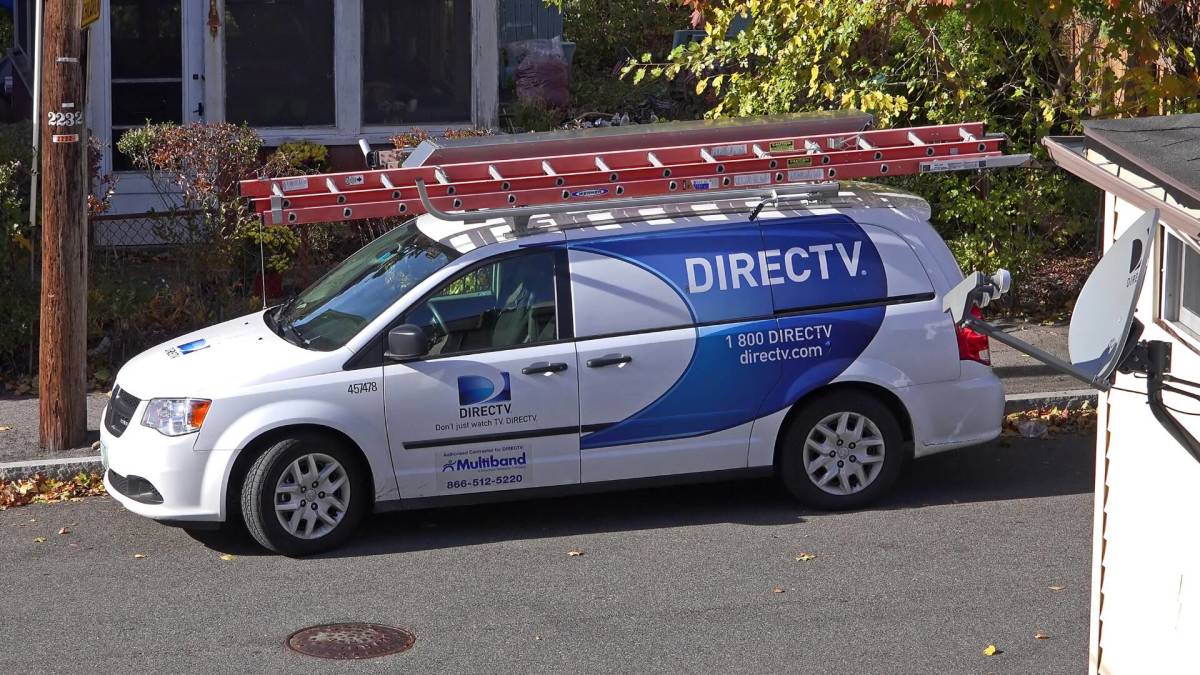
DirecTV is facing a growing threat as customers flee to rival sources, raising alarm bells about the future of the satellite television provider and its impact on the broader media landscape.
Key Takeaways
- DirecTV’s customer base is declining as subscribers opt for alternative streaming services.
- This shift is part of a larger trend in the media industry, where traditional cable and satellite providers are losing ground to newer, more flexible streaming options.
- The decline of DirecTV and similar services has significant implications for investors, who must consider the potential risks and opportunities in this changing market.
DirecTV’s Struggle: A Deep Dive
DirecTV, a leading satellite television provider in the United States, is experiencing a significant decline in its customer base. As the media landscape continues to evolve, with more consumers turning to streaming services for their entertainment needs, traditional satellite and cable providers like DirecTV are finding it challenging to retain subscribers. This trend is not unique to DirecTV but is part of a broader shift in consumer behavior, driven by the convenience, cost-effectiveness, and personalized content offerings of streaming platforms.
Context: Why This Matters Now
The current situation faced by DirecTV is not an isolated incident but rather a symptom of a larger transformation in the media industry. The rise of streaming services such as Netflix, Hulu, and Disney+, which offer a wide range of content at competitive prices, has altered the way people consume media. Inflation in the cost of living, coupled with the increased availability of affordable, high-quality streaming options, has made traditional satellite and cable services less appealing to many consumers. Historically, similar disruptions have been seen in other industries, such as the music industry’s shift from physical albums to digital downloads and streaming, indicating that the media industry is undergoing a significant and potentially irreversible change.
Historical Precedent and Market Trends
Similar to the 2008 crash, which highlighted the vulnerabilities of traditional financial models, the current decline of DirecTV and similar services underscores the importance of adaptability in the face of technological and consumer preference changes. The 2021 tech boom, which saw significant growth in tech and streaming stocks, further illustrates the shift in investor interest towards newer, more innovative companies. Imagine an investor who bought into streaming services early on; they would have seen substantial returns as these platforms grew in popularity. Conversely, investors in traditional media companies might be experiencing losses due to the decline in subscribers and revenue.
Pros and Cons for Your Portfolio
- Risk: Investing in traditional satellite and cable providers like DirecTV poses a significant risk due to the declining subscriber base and the competitive pressure from streaming services. This could lead to decreased stock value and lower returns on investment.
- Opportunity: On the other hand, the growth of streaming services presents a considerable investment opportunity. Companies that are innovating and expanding their offerings in the streaming space may see significant growth, offering investors a chance to capitalize on the shifting media landscape.
What This Means for Investors
For investors, the situation with DirecTV serves as a reminder of the importance of diversification and staying ahead of market trends. While it may be too early to write off traditional satellite and cable providers entirely, it is crucial to consider the long-term viability of these services in a world dominated by streaming. Investors should diversify their portfolios to include a mix of traditional and streaming media companies, balancing potential risks with opportunities for growth. Furthermore, keeping a close eye on consumer trends and technological advancements will be key to making informed investment decisions in this rapidly evolving sector.
Strategic Perspective for Investors
Investors should adopt a strategic perspective that acknowledges the changing media landscape. This involves not only monitoring the performance of traditional media companies but also looking for opportunities in the streaming sector. Due diligence is essential when considering investments in this space, as the competitive landscape is constantly evolving. By understanding the underlying trends and being prepared to adapt, investors can navigate the challenges posed by the decline of DirecTV and similar services, potentially turning these challenges into investment opportunities.
Conclusion and Future Outlook
In conclusion, the decline of DirecTV and the rise of streaming services are part of a broader transformation in the media industry. Investors must be aware of these changes and adjust their strategies accordingly. The future of the media landscape will likely be shaped by technological innovation, consumer preference, and the ability of companies to adapt to these changes. As investors look to the future, they should consider the potential for growth in streaming services, the challenges faced by traditional media companies, and the importance of a diversified investment portfolio in navigating this evolving market.