


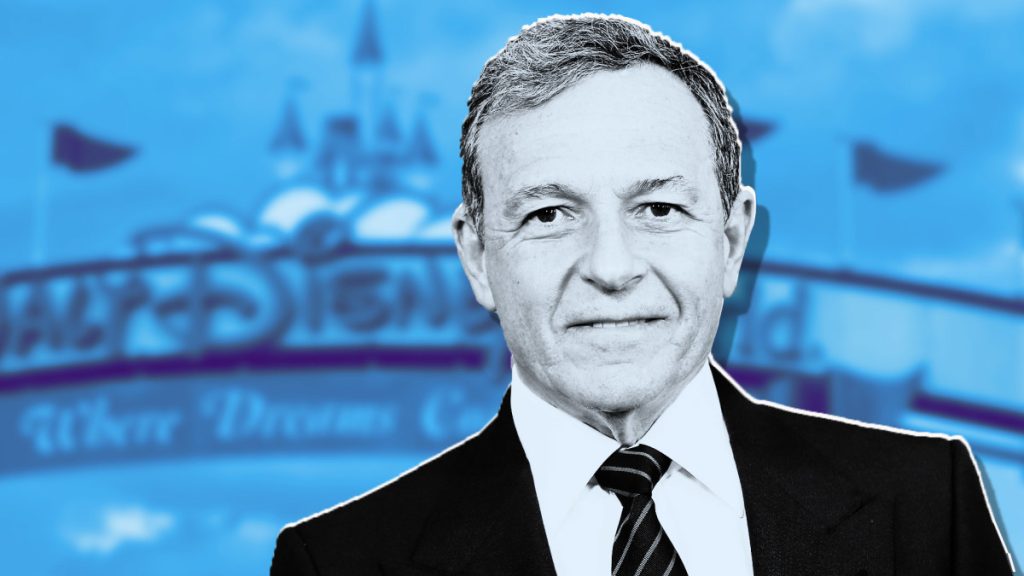
The recent executive changes at The Walt Disney Company have sent shockwaves through the market, leaving investors to wonder what’s behind the sudden shakeup and how it will impact their portfolios, particularly in the wake of Paramount’s acquisition of Warner Bros. Discovery and the subsequent downgrade of Paramount stock by Fitch Ratings.
Key Takeaways
- The Walt Disney Company is undergoing significant executive changes, potentially in response to the shifting media landscape and recent acquisitions in the industry.
- Paramount’s acquisition of Warner Bros. Discovery has led to a downgrade of Paramount stock by Fitch Ratings, indicating potential financial strain on the company.
- Investors are advised to consider the implications of these changes on their portfolios, weighing the potential risks and opportunities in the media and entertainment sector.
Disney Shakeup: A Deep Dive
The Walt Disney Company, a household name in the entertainment industry, has been making headlines with its recent executive changes. While the company has not released an official statement on the reasons behind these changes, it is speculated that they are a strategic response to the evolving media landscape and the recent acquisition of Warner Bros. Discovery by Paramount. This acquisition has significant implications for the industry, as it combines two major players and potentially alters the competitive landscape.
Context: Why This Matters Now
The media and entertainment industry is currently experiencing a period of significant upheaval, driven in part by the rise of streaming services and the consolidation of major players. The acquisition of Warner Bros. Discovery by Paramount is a prime example of this trend, as companies seek to expand their offerings and stay competitive in a rapidly changing market. The downgrade of Paramount stock by Fitch Ratings following this acquisition highlights the potential financial risks associated with such large-scale mergers and acquisitions. In this context, The Walt Disney Company’s executive changes may be seen as an attempt to position itself for success in this new landscape, potentially by shifting its focus towards streaming and digital content.
Economic Factors at Play
The current economic climate, marked by inflation and potential recession, also plays a role in the timing of these executive changes. As companies navigate these challenges, they must be strategic in their decision-making, balancing the need for growth and innovation with the need for fiscal responsibility. Imagine an investor who bought Disney stock several years ago, hoping to benefit from the company’s stable growth and dividend payments. This investor would now need to reassess their investment strategy, considering the potential impact of these executive changes on the company’s future performance.
Pros and Cons for Your Portfolio
- Risk: The executive changes at Disney could lead to a period of instability, potentially negatively impacting the company’s stock price and, by extension, the value of investors’ portfolios. This risk is exacerbated by the current economic uncertainty and the potential for further industry consolidation.
- Opportunity: On the other hand, these changes could signal a new era of growth and innovation for Disney, as the company adapts to the evolving media landscape and seeks to expand its market share. Investors who are able to navigate this transition successfully may find significant opportunities for long-term growth and returns.
What This Means for Investors
Given the current market conditions and the potential implications of Disney’s executive changes, investors are advised to take a cautious yet strategic approach. This may involve diversifying their portfolios to mitigate risk, while also keeping a close eye on developments in the media and entertainment sector. For those invested in Disney or considering an investment, it may be wise to hold and observe how the company navigates this transition, rather than making any rash decisions. Ultimately, the key to success will be in balancing patience with adaptability, as investors seek to capitalize on the opportunities presented by this evolving landscape.

 Robert Kiyosaki’s Wealth Secrets: Top Tips and Biggest Mistakes
  Credo’s Hidden Risk: Wall Street’s Overlooked Threat
  $1,600 Hidden Fee Angers Car Buyers: What You Need to Know
  Single-Step Futon Sofa Bed on Sale for $117 at Walmart
  Gas Prices Soar 9% to 11-Month High: What’s Next
  Chick-fil-A Unveils 7 Exciting Spring 2026 Menu Items