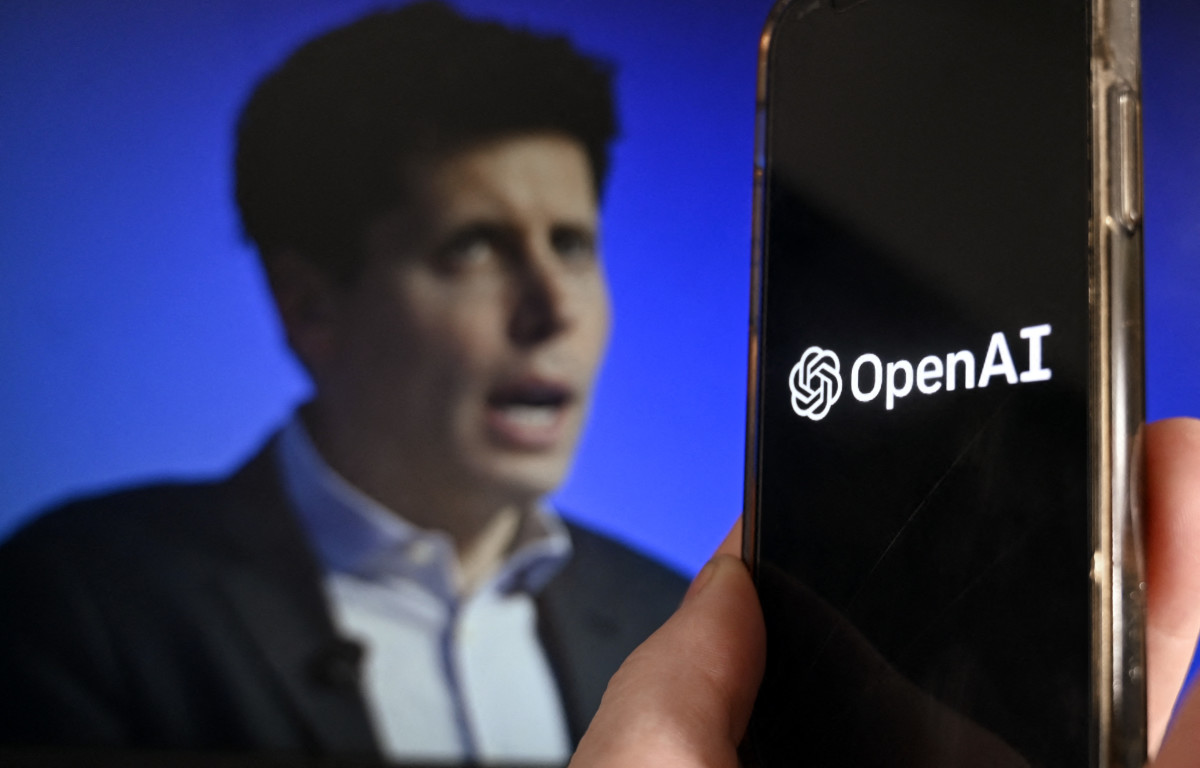
Disney’s surprise move against Google over AI likenesses has sent shockwaves through the tech and entertainment industries, with investors watching closely as the battle for intellectual property rights in the age of artificial intelligence heats up.
Key Takeaways
- Disney has signed a $1 billion, three-year AI partnership with OpenAI for character use, specifically with Sora, a key character in Disney’s universe.
- Disney has accused Google’s Gemini AI of massive copyright infringement of character likenesses, marking a significant escalation in the protection of intellectual property in the AI era.
- OpenAI is allowed to generate Disney images and videos but is restricted from using Disney talent likenesses or voices, highlighting the complex nature of AI-generated content and copyright law.
Deep Dive into Disney’s Strategic Move
Disney’s decision to partner with OpenAI while simultaneously taking action against Google signals a strategic effort to control and monetize its vast library of characters and intellectual properties in the burgeoning AI landscape. This move indicates that Disney is keenly aware of the potential for AI to both create new revenue streams and pose significant risks to its intellectual property portfolio.
The partnership with OpenAI, valued at $1 billion over three years, underscores the financial potential that Disney sees in AI-generated content. By allowing OpenAI to generate images and videos of its characters, Disney is opening up new avenues for content creation, marketing, and merchandising, potentially reaching new audiences and increasing brand engagement.
However, the strict stipulation that OpenAI cannot use Disney talent likenesses or voices reflects the nuanced approach Disney is taking to protect its most valuable assets. This distinction highlights the complexity of navigating copyright and intellectual property rights in the context of AI, where the lines between original content and AI-generated material can become blurred.
Context: Why This Matters Now
The current legal and technological landscape is ripe for such battles over intellectual property rights in AI. As AI technology advances, the ability to generate content that is nearly indistinguishable from that created by humans increases, raising significant questions about ownership, copyright, and the potential for infringement. Economic factors, including the pursuit of new revenue streams and the need to protect valuable intellectual properties, are driving companies like Disney to take proactive stances.
Historically, the entertainment and tech industries have seen numerous battles over intellectual property, but the advent of AI introduces new challenges. The ability of AI models like Google’s Gemini to generate likenesses and potentially mimic voices without explicit permission from the copyright holders threatens the traditional models of content creation and distribution, prompting companies to redefine their strategies for protecting and monetizing their assets.
Pros and Cons for Your Portfolio
- Risk: Investing in companies heavily involved in AI content generation, like Google or OpenAI, may expose your portfolio to legal risks associated with copyright infringement claims, potentially leading to significant financial liabilities and reputational damage.
- Opportunity: On the other hand, companies that successfully navigate the AI landscape, protecting their intellectual properties while innovating and monetizing their content, could see substantial gains. Investing in such forward-thinking companies, like Disney, could provide a valuable upside as they capitalize on new technologies and business models.
What This Means for Investors
Investors should closely monitor the evolving legal and technological landscape surrounding AI and intellectual property. A strategic approach might involve diversifying a portfolio to include companies that are leaders in AI innovation, as well as those with strong intellectual property portfolios that are proactively protecting and leveraging their assets in the AI era.
Moreover, understanding the potential risks and opportunities presented by AI-generated content is crucial. Investors should consider the long-term implications of AI on the entertainment, technology, and media sectors, recognizing that companies that adapt and innovate in response to these challenges are likely to emerge stronger and more resilient.
Ultimately, Disney’s move against Google serves as a wake-up call for investors to reevaluate their strategies in light of the rapidly changing AI landscape. By doing so, investors can position themselves to capitalize on the opportunities presented by this technological shift while mitigating the associated risks.