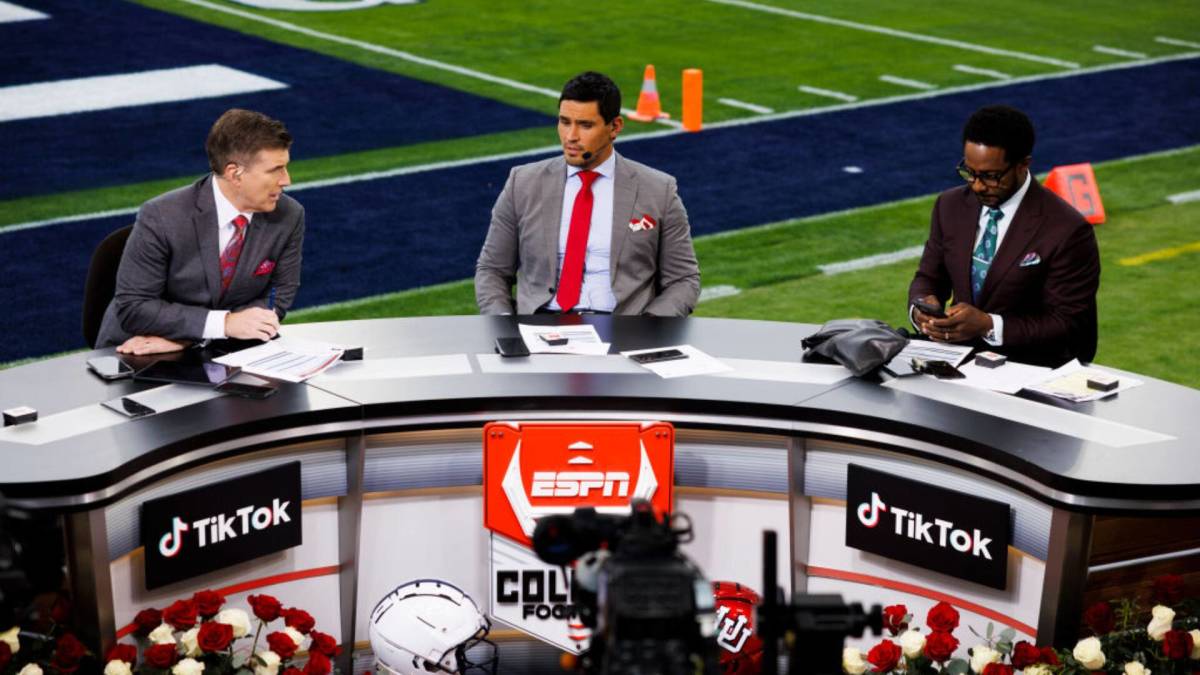
The battle for broadcast rights in the lucrative world of college football has taken a dramatic turn, with Disney and Warner Bros. Discovery emerging as key players in the College Football Playoff (CFP) landscape, a development that could significantly impact their financials and investor portfolios.
Key Takeaways
- The College Football Playoff broadcast rights have been split between Disney and Warner Bros. Discovery, marking a significant shift in the sports broadcasting landscape.
- This deal could have substantial implications for the financial performance of both companies, given the huge audience and revenue potential of college football.
- Investors should consider the strategic and financial implications of this deal, including potential impacts on stock prices and future growth prospects.
Disney, Warner Bros. Split College Football Playoff Broadcast Rights: A Deep Dive
The recent announcement that Disney and Warner Bros. Discovery will split the broadcast rights for the College Football Playoff has sent ripples through the sports and entertainment industries. This development is particularly noteworthy given the immense popularity and viewership of college football, which translates into significant revenue through advertising, sponsorships, and broadcasting rights. For Disney, securing a portion of these rights is a strategic move to bolster its sports programming, potentially attracting more subscribers to its streaming services and enhancing its competitive stance against other media giants.
Imagine an investor who has been following the trajectory of Disney’s ESPN and its efforts to expand its sports coverage. This investor would likely view the acquisition of CFP broadcast rights as a positive development, potentially leading to increased revenue and a stronger market position for Disney. However, it’s also crucial to consider the costs associated with acquiring these rights and the potential impact on profitability.
Context: Why This Matters Now
The current media landscape is characterized by intense competition for premium content, with streaming services and traditional broadcasters alike seeking to secure rights to popular sports and entertainment events. The split of College Football Playoff broadcast rights between Disney and Warner Bros. Discovery reflects this competitive environment, where companies are willing to invest heavily in content that can attract large audiences and drive subscriber growth. Economic factors such as inflation and changes in consumer viewing habits also play a role, as companies navigate the challenges of increasing production costs and shifting viewer preferences towards streaming services.
Historically, the broadcasting rights for major sports events have been a key factor in the financial performance of media companies. Similar to the 2021 tech boom, where companies with strong digital platforms saw significant growth, the acquisition of premium sports content like the CFP can be a catalyst for growth in the media sector. However, it’s also important to consider the potential downsides, such as the high costs of acquiring and producing sports content, which can impact profitability if not managed carefully.
Pros and Cons for Your Portfolio
- Risk: The significant costs associated with acquiring and maintaining broadcast rights for premium sports events like the College Football Playoff could pose a risk to profitability if viewer numbers or advertising revenue do not meet expectations.
- Opportunity: Securing these rights provides a unique opportunity for growth, both in terms of attracting new subscribers to streaming services and increasing advertising revenue, potentially leading to higher stock prices and increased investor returns.
What This Means for Investors
For investors considering positions in Disney or Warner Bros. Discovery, it’s essential to weigh the potential benefits of the CFP broadcast rights against the costs and risks. A strategic perspective would involve analyzing the companies’ content portfolios, their positions in the streaming and traditional broadcasting markets, and their financial health, including debt levels and cash flow. Given the competitive landscape and the evolving nature of consumer viewing habits, investors should also consider the long-term viability of these companies’ business models and their ability to adapt to changing market conditions.
Investors might also consider diversifying their portfolios to mitigate risks, potentially including a mix of stocks from different sectors or investing in exchange-traded funds (ETFs) that track the media and entertainment industry. This approach can help balance the potential upside of investments in Disney or Warner Bros. Discovery with the downside risks, providing a more stable foundation for long-term growth.