


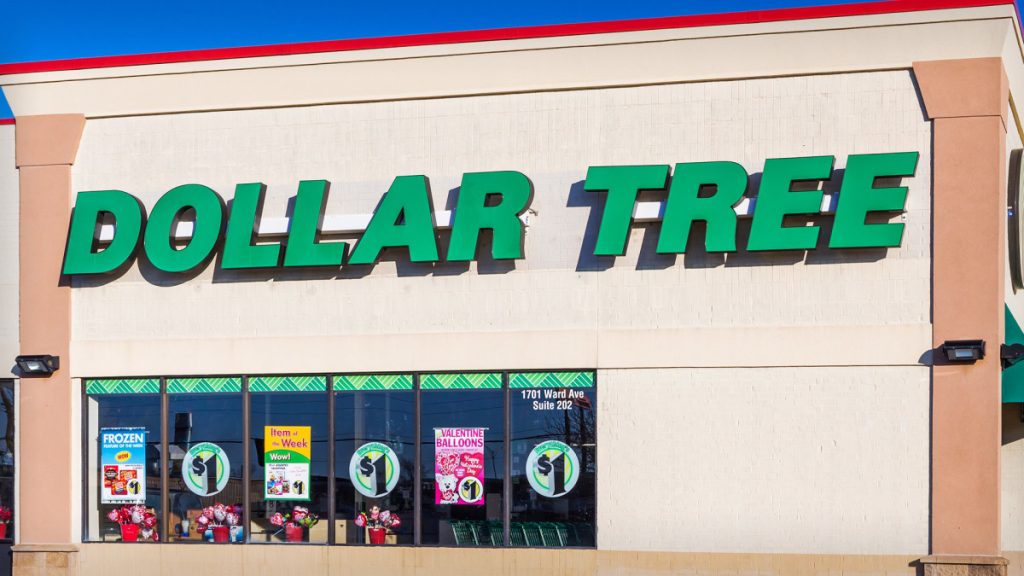
Dollar Tree, once synonymous with fixed-price shopping, is expanding to unconventional new locations, marking a significant shift in its business strategy as the retail landscape continues to evolve under the pressures of inflation and changing consumer behavior.
Key Takeaways
- Dollar Tree is moving beyond its traditional model, adapting to market changes and consumer needs.
- The expansion into new locations indicates a strategic move to capture a broader market share and diversify its customer base.
- This shift may signal a response to the current economic climate, including inflationary pressures that affect consumer spending habits.
Dollar Tree’s Strategic Expansion: A Deep Dive
Dollar Tree, known for its dollar-priced items, has been a staple in the retail sector, offering a unique shopping experience where every item costs the same. However, the company has recently announced its expansion into unconventional new locations, a move that signifies a departure from its traditional strategy. This expansion is likely aimed at tapping into new markets and customer segments, possibly in response to the evolving retail landscape and economic conditions such as inflation, which can erode the purchasing power of consumers and affect demand for dollar-priced items.
Context: Why This Matters Now
The decision by Dollar Tree to expand into new locations comes at a time when the retail industry is experiencing significant changes. Inflation, for instance, works by reducing the purchasing power of money, meaning that the same dollar can buy fewer goods and services over time. For a retailer like Dollar Tree, which has built its brand on a single-price model, navigating inflationary pressures requires strategic adjustments to maintain profitability and appeal to price-conscious consumers. Historically, similar shifts in consumer behavior and economic conditions have led companies to reevaluate their business models, as seen in the aftermath of the 2008 financial crisis, where companies had to adapt to new consumer spending habits.
Pros and Cons for Your Portfolio
- Risk: The expansion into new locations and potentially moving away from the traditional dollar-priced model could alienate existing customers who are loyal to the brand specifically for its single-price point strategy, leading to a loss in sales and market share.
- Opportunity: On the other hand, this strategic move could open up new revenue streams by attracting a broader customer base and increasing the average transaction value per customer, potentially leading to increased profitability and competitiveness in the market.
What This Means for Investors
For investors, Dollar Tree’s expansion into unconventional new locations presents both challenges and opportunities. It is crucial for investors to closely monitor the company’s performance during this transition, paying attention to how the market and existing customers respond to the changes. Imagine an investor who has been following Dollar Tree’s growth; they would need to consider whether this strategic shift aligns with their investment goals and risk tolerance. Historically, companies that successfully adapt to changing market conditions have seen significant growth, similar to the tech boom of the early 2000s, where companies that innovated and expanded their offerings saw substantial returns. Therefore, investors should consider a balanced approach, weighing the potential for increased profitability against the risks of alienating the existing customer base.
Strategic Considerations for Investors
Investors should consider the broader retail landscape and how Dollar Tree’s expansion fits into the current economic context. With inflation potentially affecting consumer spending, companies that can adapt and offer value to consumers are likely to thrive. Dollar Tree’s move could be seen as a proactive step to stay competitive, indicating a potential for long-term growth. However, it’s also important to consider the potential downsides, such as increased operational costs associated with expanding into new locations and the challenge of maintaining the brand’s identity and appeal to its loyal customer base.
Navigating the Retail Landscape
Navigating the evolving retail landscape requires a deep understanding of consumer behavior, economic trends, and the ability to adapt quickly. For Dollar Tree, its expansion into new locations is a significant move that reflects the company’s effort to stay relevant and competitive. As investors consider their next moves, they should keep a close eye on how this strategy plays out, considering both the potential benefits of expanded market reach and the risks associated with deviating from a successful business model. The key to success in such a scenario often lies in the company’s ability to innovate while remaining true to its core values and the needs of its customer base.
Conclusion and Future Outlook
In conclusion, Dollar Tree’s expansion into unconventional new locations marks a significant milestone in the company’s history, reflecting its efforts to adapt to changing market conditions and consumer preferences. As investors and observers watch this development unfold, it’s crucial to consider the broader implications for the retail sector and the potential impact on investment portfolios. The future outlook for Dollar Tree and similar retailers will depend on their ability to navigate the challenges of inflation, maintain their competitive edge, and continue to offer value to their customers. By understanding these dynamics and making informed investment decisions, investors can position themselves for success in a rapidly evolving retail landscape.

 Bank of America Boosts Amazon Price Target: What’s Next
  AMD Stock Soars on $100B AI Chip Deal with Meta
  Samsung Surpasses Apple: The Surprising Smartphone Shift
  Beloved 48-Year-Old Dining Chain Closes Original Site Abruptly
  Stocks Plummet After Inflation Shock: What’s Next
  $33 Active Noise-Canceling Headphones with Booming Bass Sale