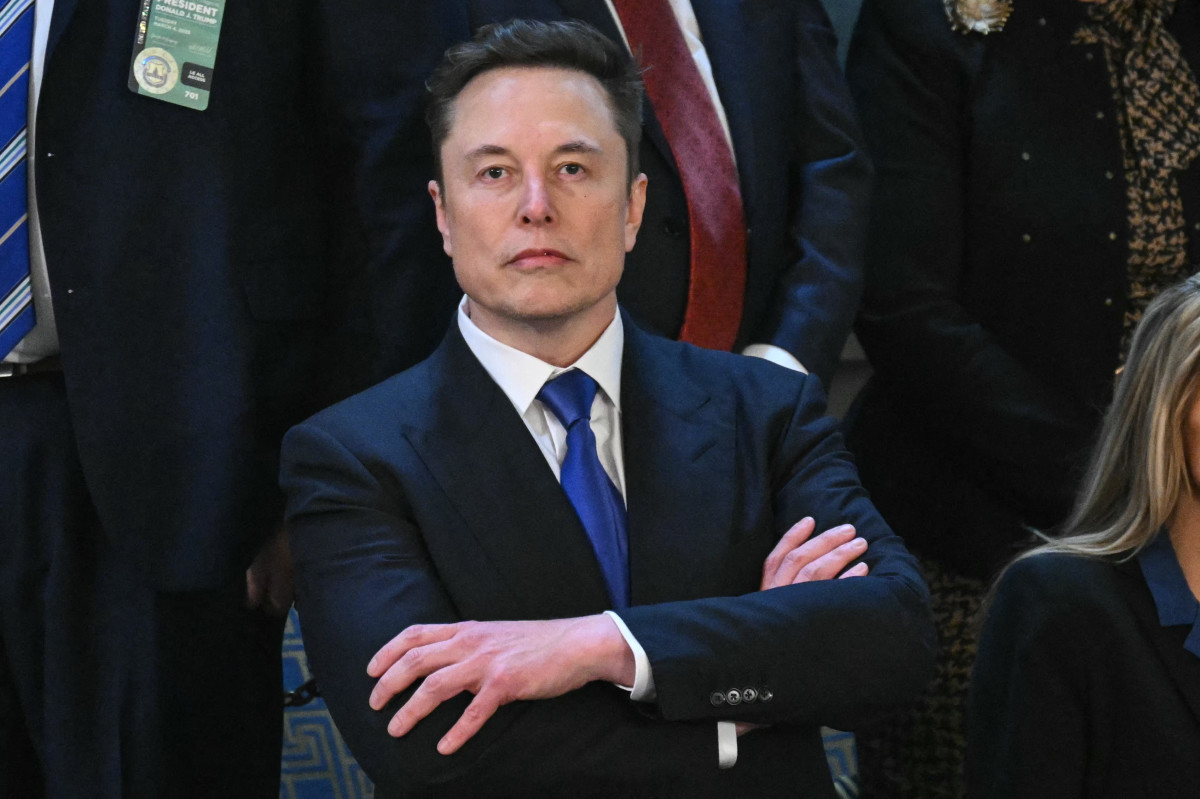
As the Delaware Supreme Court rules in favor of Elon Musk, reinstating his $56 billion Tesla pay package, investors are left wondering what this means for the future of the electric vehicle giant and the broader market implications.
Key Takeaways
- The Delaware Supreme Court has overturned a lower court’s decision to cancel Elon Musk’s 2018 CEO performance award, worth $56 billion.
- The ruling is a significant win for Musk, who has been at the center of numerous controversies and legal battles in recent years.
- The decision highlights the complexities of executive compensation packages and the ongoing debate over CEO pay in the United States.
Elon Musk’s Tesla Pay Package: A Deep Dive
The 2018 CEO performance award was a groundbreaking compensation package that tied Musk’s pay to the performance of Tesla’s stock. The package consisted of 12 tranches of stock options, each tranche vesting when Tesla’s market capitalization reached a certain milestone, ranging from $100 billion to $650 billion. With the package, Musk stood to gain a significant amount of wealth if Tesla’s stock price continued to rise.
However, the package was not without controversy. Critics argued that the package was too generous and that Musk’s compensation was not adequately tied to the company’s financial performance. In 2022, a Tesla shareholder sued the company, alleging that the board had breached its fiduciary duty by approving the package. The lower court initially ruled in favor of the shareholder, canceling the package, but the Delaware Supreme Court has now overturned that decision.
Context: Why This Matters Now
The reinstatement of Musk’s pay package comes at a time when executive compensation is under increasing scrutiny. As income inequality continues to rise, many are questioning the fairness of CEO pay packages that can reach into the tens or even hundreds of millions of dollars. The debate over CEO pay is not new, but it has gained momentum in recent years, with many investors and shareholders calling for greater transparency and accountability.
Historically, executive compensation has been a contentious issue, with many arguing that it is excessive and not aligned with the interests of shareholders. The 2008 financial crisis, for example, highlighted the problems of excessive risk-taking and poor governance, leading to increased scrutiny of executive pay. Similarly, the 2021 tech boom saw many CEOs reap massive rewards, further fueling the debate over CEO compensation.
Pros and Cons for Your Portfolio
- Risk: The reinstatement of Musk’s pay package could be seen as a negative for Tesla shareholders, as it may be perceived as excessive and not aligned with the company’s financial performance. This could lead to increased scrutiny and potential backlash from investors and regulators.
- Opportunity: On the other hand, the ruling could be seen as a positive for Tesla, as it may help to retain Musk’s leadership and vision for the company. Musk has been instrumental in driving Tesla’s growth and innovation, and his continued involvement could be beneficial for the company’s long-term prospects.
What This Means for Investors
So, what does this mean for investors? For those with a stake in Tesla, it’s essential to consider the potential implications of the reinstated pay package. While it may be seen as a positive for the company in the short term, it could also lead to increased scrutiny and potential backlash in the long term. Investors should carefully weigh the pros and cons and consider their own risk tolerance and investment goals.
Imagine an investor who bought Tesla stock in 2020, when the company’s market capitalization was around $100 billion. Since then, the stock has risen significantly, and the investor may be considering whether to hold or sell. In this scenario, the reinstatement of Musk’s pay package could be a factor to consider, as it may impact the company’s future performance and valuation. The investor may want to diversify their portfolio to mitigate potential risks or consider alternative investment opportunities.
Ultimately, the decision to buy, sell, or hold Tesla stock will depend on individual circumstances and investment goals. However, by understanding the context and implications of the reinstated pay package, investors can make more informed decisions and navigate the complexities of the market with confidence.