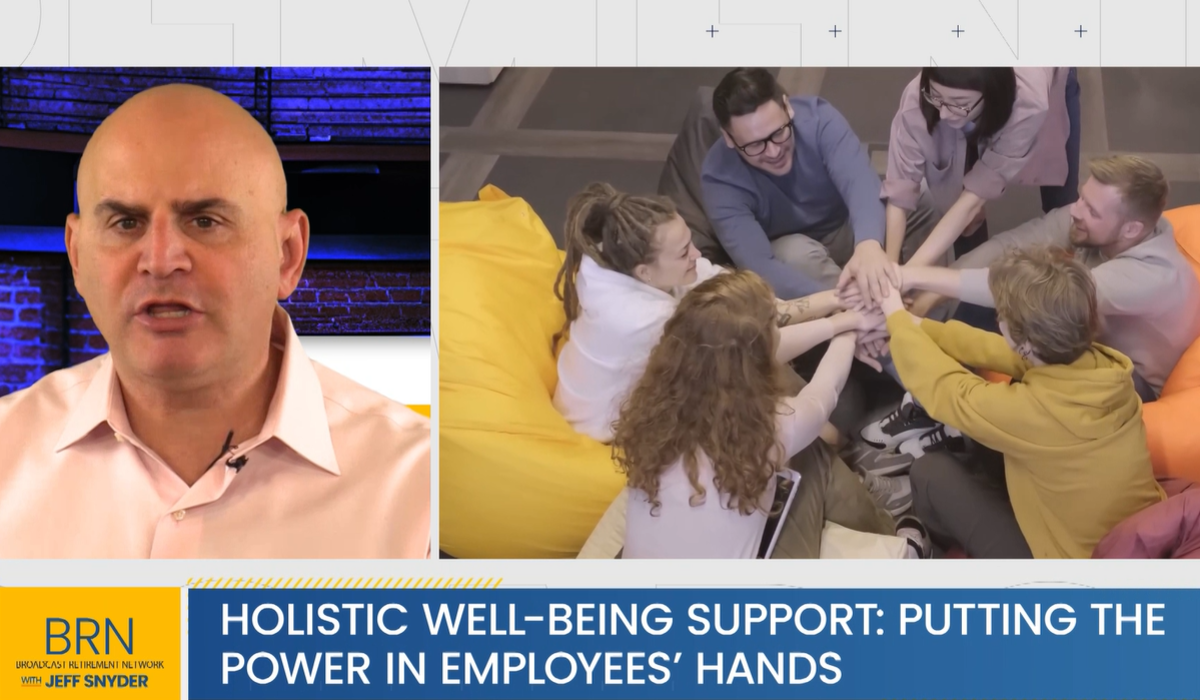
As the US job market continues to evolve, employers are shifting their focus from traditional benefits like retirement and healthcare to more holistic well-being support, empowering employees to take control of their overall wellness, a trend that could have significant implications for investors and the broader economy.
Key Takeaways
- Employers are now offering more than just retirement and healthcare benefits to support employee well-being.
- Holistic well-being support is becoming a key differentiator for companies looking to attract and retain top talent.
- This shift could have significant implications for investors, particularly those in the healthcare and wellness sectors.
Empowering Employee Well-Being: A Deep Dive
According to Jeffrey Snyder of the Broadcast Retirement Network, employers are recognizing the importance of supporting their employees’ overall well-being, beyond just traditional benefits. This includes providing resources for mental health, financial wellness, and physical health, among other areas. Sharon Scanlon of Lincoln Financial notes that this shift is driven by the changing needs and expectations of employees, particularly younger generations who prioritize work-life balance and overall wellness.
Imagine an employee who is struggling to make ends meet, with high levels of debt and financial stress. By providing access to financial wellness resources, such as counseling and planning tools, employers can help alleviate some of this stress, leading to improved productivity and job satisfaction. Similarly, employers who offer mental health support and resources can help reduce absenteeism and presenteeism, which can have a significant impact on a company’s bottom line.
Historically, employers have focused on providing traditional benefits like retirement and healthcare, but this shift towards holistic well-being support is a more recent phenomenon. Similar to the way companies began to prioritize diversity and inclusion initiatives in the early 2000s, employers are now recognizing the importance of supporting their employees’ overall well-being as a key driver of business success.
Context: Why This Matters Now
The current economic landscape, characterized by low unemployment and a highly competitive job market, has created an environment where employers must differentiate themselves to attract and retain top talent. With inflation remaining relatively low, employers are looking for innovative ways to support their employees’ financial well-being, beyond just offering traditional benefits. Additionally, the rising awareness of mental health and wellness has led to increased demand for resources and support in this area.
As the US economy continues to grow, albeit at a slower pace, employers are recognizing the importance of investing in their employees’ well-being as a key driver of long-term success. By providing holistic well-being support, employers can improve employee engagement, productivity, and retention, ultimately leading to improved business outcomes.
Pros and Cons for Your Portfolio
- Risk: Investing in companies that prioritize employee well-being may come with higher upfront costs, which could negatively impact short-term profitability.
- Opportunity: Companies that invest in their employees’ well-being are likely to see long-term benefits, including improved productivity, retention, and reputation, which could lead to increased revenue and profitability.
For example, imagine an investor who invests in a company that prioritizes employee well-being, providing access to mental health resources and financial wellness programs. While the company may incur higher upfront costs, the long-term benefits of improved employee engagement and retention could lead to significant returns on investment.
What This Means for Investors
As an investor, it’s essential to consider the potential implications of this trend on your portfolio. Companies that prioritize employee well-being are likely to be more attractive to top talent, leading to improved business outcomes and increased revenue. However, it’s crucial to weigh the potential risks and opportunities, considering factors such as upfront costs and the potential for long-term returns.
A strategic approach would be to invest in companies that demonstrate a commitment to employee well-being, while also considering the potential risks and opportunities. This could involve diversifying your portfolio to include companies in the healthcare and wellness sectors, as well as those that prioritize employee well-being. By taking a long-term view and considering the potential implications of this trend, investors can make informed decisions that drive returns and support their overall investment goals.