

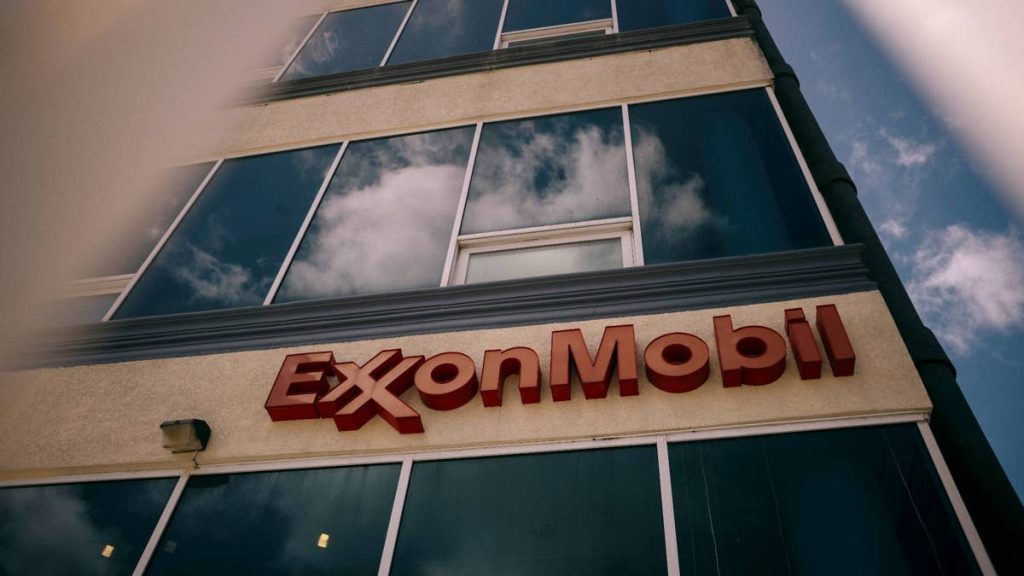
Oil investors are abuzz with excitement as ExxonMobil’s recent discovery in Guyana sends shockwaves through the global energy market, making it a hotly debated topic among market analysts and speculators alike.
Key Takeaways
- ExxonMobil’s discovery in Guyana could potentially disrupt the global energy landscape, offering a significant alternative to traditional oil-producing countries.
- The discovery’s impact on the market is still uncertain, with factors such as production costs, regulatory frameworks, and competition influencing its potential.
- Investors are eager to understand the implications of this discovery on their portfolios, weighing the potential risks and opportunities.
Exxon’s Game-Changing Oil Discovery in Guyana: A Deep Dive
ExxonMobil’s chairman, Darren Woods, recently attended a White House conference on investing in Venezuela, where he candidly expressed his views on the country’s uninvestable nature. Venezuela’s Maduro regime has created an environment that discourages foreign investment, with its rules and laws offering little incentive for investors to take a risk. In contrast, Exxon’s Guyana discovery has generated significant interest, with many speculating that this could be the game-changer the oil market needs.
Context: Why This Matters Now
To understand the significance of Exxon’s discovery, let’s set the scene. The global energy market has been undergoing a transformation, with the rise of renewable energy sources and the increasing importance of sustainable investments. However, oil remains a vital component of the global energy mix, and discoveries like Exxon’s in Guyana have the potential to disrupt the status quo.
One factor contributing to the excitement surrounding Exxon’s discovery is the high demand for oil. As the global economy continues to grow, so does the demand for energy, making new discoveries crucial for meeting this demand.
Pros and Cons for Your Portfolio
- Risk: The uncertainty surrounding production costs, regulatory frameworks, and competition could negatively impact Exxon’s ability to capitalize on the discovery, potentially leading to losses for investors.
- Opportunity: If Exxon successfully navigates the challenges and manages to extract oil at a competitive cost, this discovery could lead to significant gains for investors, as the global demand for oil continues to rise.
What This Means for Investors
Given the uncertainty surrounding Exxon’s discovery, investors should approach this opportunity with caution. A thorough analysis of the company’s financials, production costs, and regulatory environment is essential before making any investment decisions.
One strategy investors could consider is diversifying their portfolios by allocating a small portion to Exxon’s Guyana project, while maintaining a diversified mix of energy-related assets.
Historical Context: Lessons from Past Discoveries
While Exxon’s discovery is significant, it’s essential to consider the historical context of similar discoveries. For instance, the 2015 discovery of the Liza oil field in Guyana by ExxonMobil and its partner, Hess Corporation, was initially estimated to contain approximately 800 million barrels of oil. However, subsequent discoveries have led to a significant increase in the field’s estimated reserves.
Similarly, the 2008 discovery of the Kashagan oil field in Kazakhstan by ExxonMobil and its partners was initially estimated to contain approximately 7-9 billion barrels of oil. However, the project’s development was delayed due to technical and environmental challenges.
What’s Next for ExxonMobil?
ExxonMobil’s recent discovery in Guyana sends a clear message that the company is committed to exploring new opportunities in the region. As the company continues to develop the Liza field, investors will be watching closely to see how it navigates the challenges and capitalizes on the opportunities presented by this discovery.
Conclusion
ExxonMobil’s discovery in Guyana has the potential to disrupt the global energy landscape, offering a significant alternative to traditional oil-producing countries. While there are risks associated with this discovery, the potential upside is substantial. Investors should approach this opportunity with caution, conducting a thorough analysis of the company’s financials, production costs, and regulatory environment before making any investment decisions.

