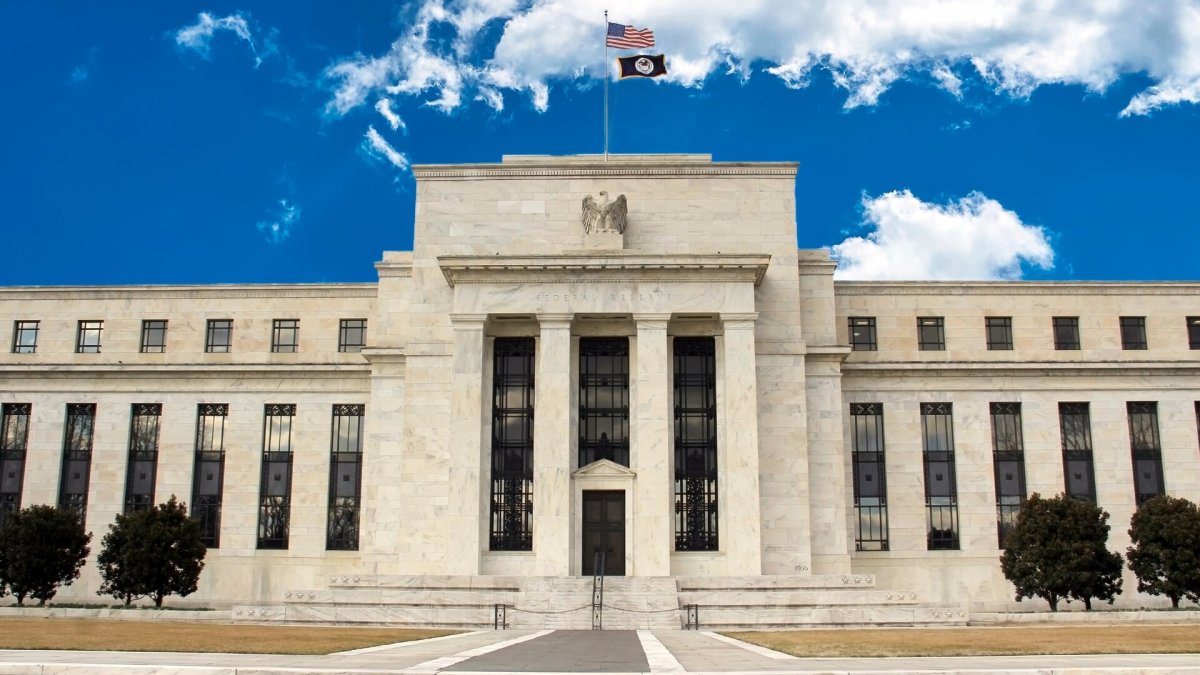
The Federal Reserve’s potential overhaul of banking services has sent shockwaves through the financial sector, prompting investors to reevaluate their portfolios and consider the implications of such a significant shift in the way Americans bank.
Key Takeaways
- The Federal Reserve is considering major reforms to its banking services, including check services, and is seeking public input from businesses and consumers.
- The proposed changes aim to improve the efficiency and accessibility of banking services, potentially benefiting millions of Americans who rely on these services.
- The Fed’s request for public input suggests that the central bank is committed to transparency and is willing to listen to the concerns and suggestions of stakeholders before implementing any changes.
Federal Reserve’s Banking Services: A Deep Dive
The Federal Reserve’s banking services, including check services, are a critical component of the US financial system, providing a safe and efficient way for individuals and businesses to manage their finances. The proposed reforms, which are still in the early stages of development, could have far-reaching implications for the banking industry and the broader economy. Imagine an investor who has a significant portion of their portfolio invested in banking stocks; such reforms could potentially impact the value of their investments.
Historically, the Federal Reserve has played a crucial role in maintaining the stability of the US financial system, and its banking services have been a key part of this effort. Similar to the 2008 financial crisis, when the Fed implemented emergency measures to stabilize the banking system, the current proposed reforms could be seen as a proactive measure to prevent future crises. The Fed’s check services, in particular, have been an essential part of the US payment system, allowing individuals and businesses to make and receive payments efficiently.
Context: Why This Matters Now
The proposed reforms come at a time when the US banking industry is facing significant challenges, including increased competition from fintech companies and growing concerns about cybersecurity. The COVID-19 pandemic has also accelerated the shift towards digital banking, highlighting the need for more efficient and accessible banking services. Furthermore, the current low-interest-rate environment has put pressure on banks’ profit margins, making it essential for them to adapt to changing market conditions. The concept of inflation, which refers to the rate at which prices for goods and services are rising, is also relevant in this context, as it can impact the purchasing power of consumers and the profitability of banks.
From a historical perspective, the Federal Reserve has a long history of adapting to changing market conditions and implementing reforms to maintain the stability of the US financial system. For example, the Dodd-Frank Act, which was passed in 2010, introduced significant reforms to the banking industry, including stricter capital requirements and enhanced regulatory oversight. Similarly, the current proposed reforms could be seen as a continuation of this effort to ensure that the US banking system remains safe, sound, and efficient.
Pros and Cons for Your Portfolio
- Risk: The proposed reforms could potentially disrupt the business models of traditional banks, leading to a decline in their stock prices and impacting the value of investments in the banking sector.
- Opportunity: On the other hand, the reforms could create new opportunities for investors, such as increased investment in fintech companies or other innovative financial services providers that are better positioned to thrive in a rapidly changing banking landscape.
What This Means for Investors
Investors should closely monitor the developments surrounding the Federal Reserve’s proposed reforms and consider the potential implications for their portfolios. While the reforms may pose risks to traditional banking stocks, they could also create opportunities for investors to diversify their portfolios and capitalize on the growth of innovative financial services providers. A strategic perspective would be to maintain a balanced portfolio, with a mix of traditional banking stocks and investments in fintech companies or other financial services providers that are well-positioned to thrive in a changing banking landscape. By doing so, investors can minimize their exposure to potential risks while maximizing their potential returns.
Ultimately, the Federal Reserve’s proposed reforms have the potential to significantly impact the US banking industry and the broader economy. As investors, it is essential to stay informed and adapt to changing market conditions to maximize returns and minimize risks. By understanding the context and implications of these reforms, investors can make informed decisions and navigate the complexities of the US financial system.