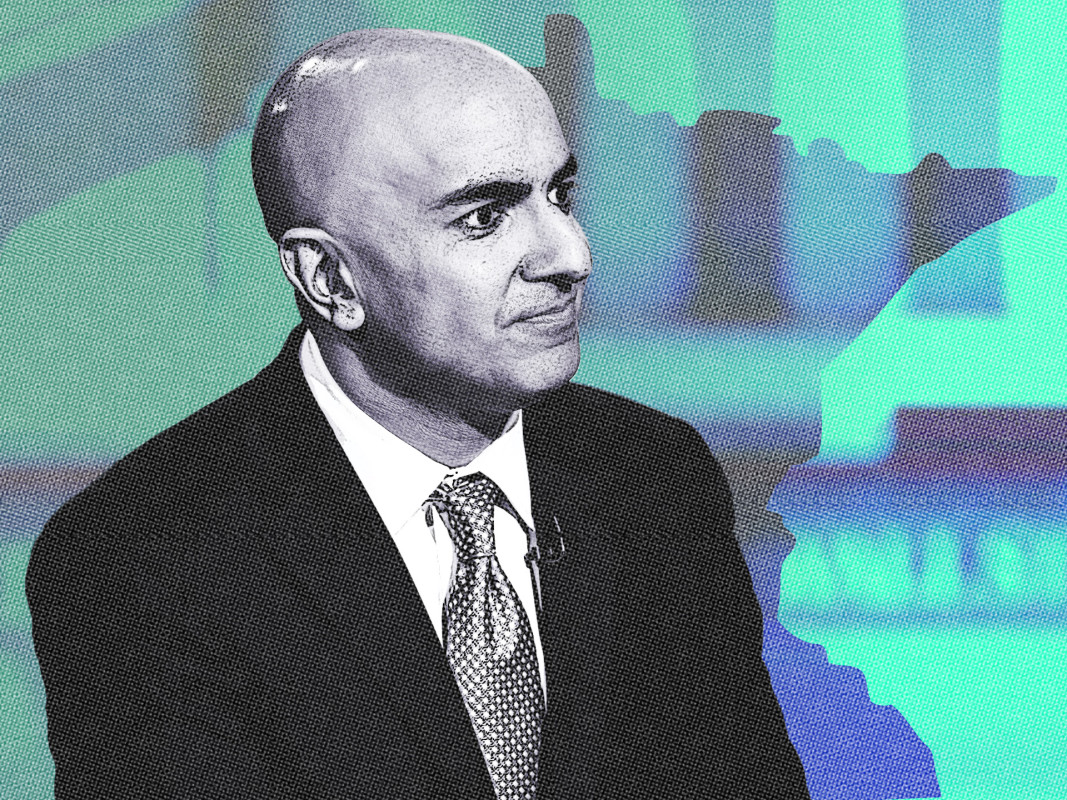
As the Federal Reserve signals a potential halt to interest rate cuts in 2026, borrowers and investors are on high alert, wondering how this shift will impact their financial plans and portfolio performance.
Key Takeaways
- The Federal Reserve, led by figures like Minneapolis Fed President Neel Kashkari, is considering stopping interest rate cuts due to economic conditions.
- This decision could significantly affect borrowing costs for consumers and businesses, influencing decisions on auto loans, student loans, and credit card debt.
- Understanding the implications of this decision requires a deep dive into the current economic landscape, including inflation rates and the overall health of the economy.
Interest Rate Cuts: A Deep Dive
The news from the Federal Reserve about potential interest rate cuts comes at a critical time for the economy. When the Fed cuts interest rates, it makes borrowing cheaper, which can stimulate economic growth by encouraging consumers and businesses to take on loans for investments and purchases. However, the Fed’s primary goal is to keep inflation in check, ensuring that economic growth does not lead to excessively high prices for goods and services.
Imagine an investor who bought a house in 2022 with a variable-rate mortgage. If interest rates fall, their mortgage payments could decrease, freeing up more money for other investments or savings. Conversely, if the Fed stops cutting rates or even starts raising them, this investor might see their mortgage payments increase, affecting their overall financial strategy.
Historical Context of Interest Rate Decisions
Similar to the 2008 financial crisis, when the Fed aggressively cut interest rates to stimulate a recovering economy, today’s decisions are aimed at navigating the economy through challenging times. The difference now is the presence of inflation concerns, which were less prominent during the 2008 crisis. The Fed must balance the need to support economic growth with the risk of letting inflation get out of control.
Context: Why This Matters Now
The current economic landscape is complex, with factors like global trade tensions, employment rates, and consumer spending influencing the Fed’s decisions. As of early 2026, the economy has been showing signs of resilience, but there are concerns about inflation creeping up, potentially necessitating a pause or reversal of interest rate cuts. The Fed’s dual mandate of maximizing employment and stabilizing prices means that it must carefully consider the impact of its decisions on both job markets and price stability.
For instance, if inflation starts to rise more quickly than expected, the Fed might need to raise interest rates to control it, even if it means slowing down economic growth. This delicate balance requires constant monitoring of economic indicators and a deep understanding of how different sectors of the economy respond to monetary policy changes.
Pros and Cons for Your Portfolio
- Risk: One of the primary risks of the Fed stopping interest rate cuts is that it could lead to higher borrowing costs, potentially slowing down economic growth and affecting stocks and other investments that are sensitive to interest rates.
- Opportunity: On the other hand, a stable interest rate environment can provide clarity for investors, allowing them to make more informed decisions about their investments. It could also lead to a stronger dollar, which can be beneficial for certain investments and trade agreements.
What This Means for Investors
Given the potential for the Fed to halt interest rate cuts, investors should consider reviewing their portfolios to ensure they are prepared for a variety of economic scenarios. This might involve diversifying investments to mitigate risk, considering the impact of interest rates on different asset classes, and staying informed about economic indicators and Fed decisions.
Investors looking to borrow for investments, such as real estate or business expansion, should also consider the potential for higher borrowing costs and factor this into their financial planning. Meanwhile, those with existing variable-rate debts might explore options for locking in current interest rates to protect against future increases.
Ultimately, the key to navigating this environment is flexibility and a well-informed strategy. By understanding the implications of the Fed’s decisions and being prepared to adapt, investors can position themselves for success regardless of the direction of interest rates in 2026.