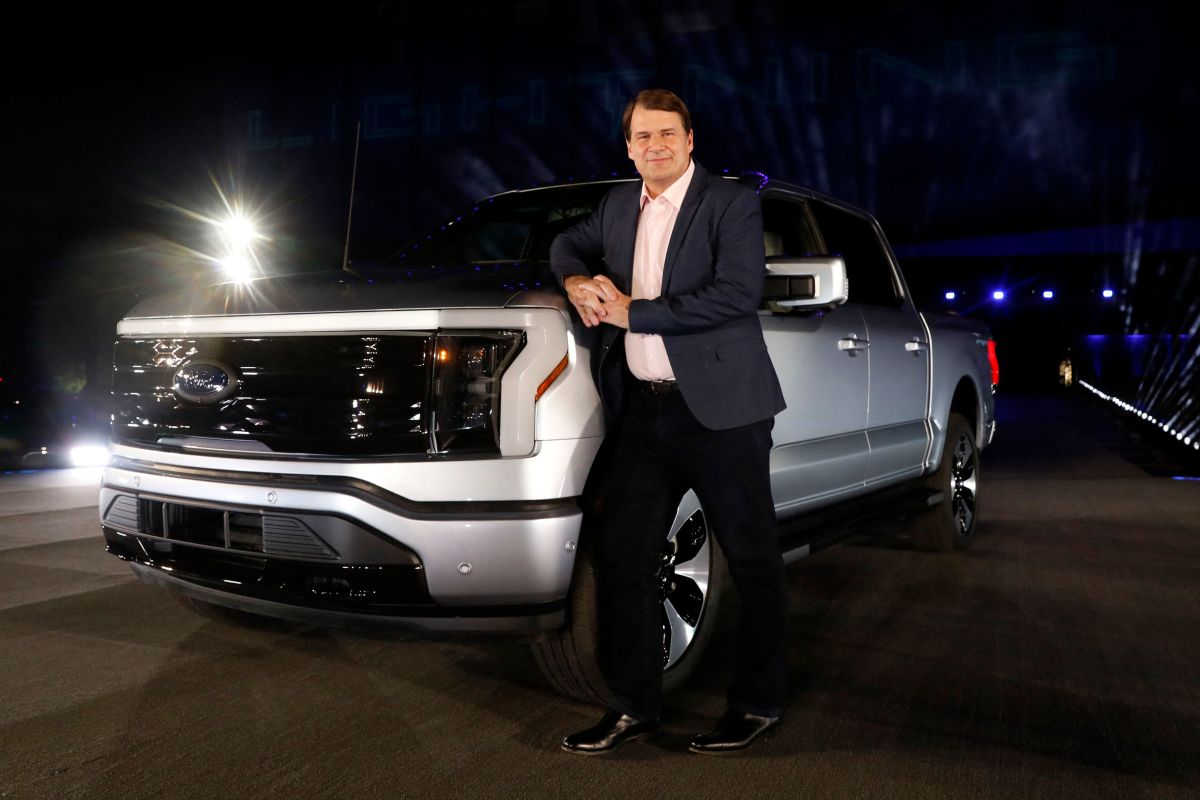
The European auto industry is bracing for a significant overhaul as lawmakers prepare to unveil a new draft proposal for an environmental law, prompting warnings from major players like Ford CEO Jim Farley, who sees a perilous road ahead for the sector.
Key Takeaways
- Ford CEO Jim Farley has issued a warning about the challenges facing the European auto industry due to upcoming environmental regulations.
- European lawmakers are set to introduce a new draft proposal for an environmental law that could significantly impact the auto sector.
- Executives from major automotive companies, including Stellantis and Ford, are contributing to the discussion on the future of the industry in Europe.
European Auto Industry: A Deep Dive
The European auto industry is one of the largest and most established in the world, with a long history of producing high-quality vehicles. However, the sector is facing significant challenges, including inflation, which refers to the increase in prices of goods and services over time, affecting the cost of production and profitability of auto manufacturers. Imagine an investor who bought stocks in a European auto company a year ago; they would have seen their investment impacted by rising production costs due to inflation, potentially reducing their returns.
Historically, the European auto industry has been resilient, navigating through various crises, including the 2008 financial crash and the 2020 COVID-19 pandemic. However, the upcoming environmental regulations pose a new kind of challenge, one that requires significant investment in new technologies and production methods. Similar to the 2021 tech boom, where companies that adapted quickly to new technologies saw significant growth, the European auto industry must now adapt to a new environmental reality to remain competitive.
Context: Why This Matters Now
The European Union has been at the forefront of environmental policy, pushing for reduced emissions and a transition to cleaner energy sources. The new draft proposal for an environmental law is part of this effort, aiming to reduce the carbon footprint of the auto industry. However, this transition comes with significant costs, including the need for substantial investment in electric vehicle technology and the potential for job losses in traditional manufacturing roles. The economic factors at play include the cost of compliance, which could be a significant burden for smaller manufacturers, and the impact on consumer behavior, as buyers may be hesitant to adopt new, more expensive technologies.
For instance, consider a hypothetical scenario where a small European auto manufacturer is faced with the choice of investing heavily in electric vehicle production or risking non-compliance with the new regulations. The company might need to weigh the costs of investment against the potential benefits of remaining competitive in the market, all while navigating the challenges of supply chain disruption and talent acquisition in a rapidly changing industry.
Pros and Cons for Your Portfolio
- Risk: The upcoming environmental regulations could lead to increased costs for auto manufacturers, potentially reducing profitability and impacting stock prices. Investors should be cautious of companies that are slow to adapt to the new regulations, as they may face significant challenges in the coming years.
- Opportunity: The transition to cleaner energy sources and electric vehicles presents a significant opportunity for growth and investment in the auto industry. Companies that are ahead of the curve in terms of technology and innovation may see significant gains, making them attractive to investors looking for long-term growth opportunities.
What This Means for Investors
Investors should approach the European auto industry with caution, considering both the risks and opportunities presented by the upcoming environmental regulations. A strategic perspective would be to diversify portfolios, investing in companies that are well-positioned to adapt to the new regulations, while also considering the potential for growth in related industries, such as electric vehicle charging infrastructure. As the industry navigates this significant transition, investors who are informed and proactive will be better positioned to capitalize on the opportunities that arise, while mitigating the risks associated with this change.
In conclusion, the warning from Ford CEO Jim Farley about the challenges facing the European auto industry should be taken seriously by investors. By understanding the context and implications of the upcoming environmental regulations, investors can make informed decisions about their portfolios, positioning themselves for potential growth and minimizing the risks associated with this significant industry shift.