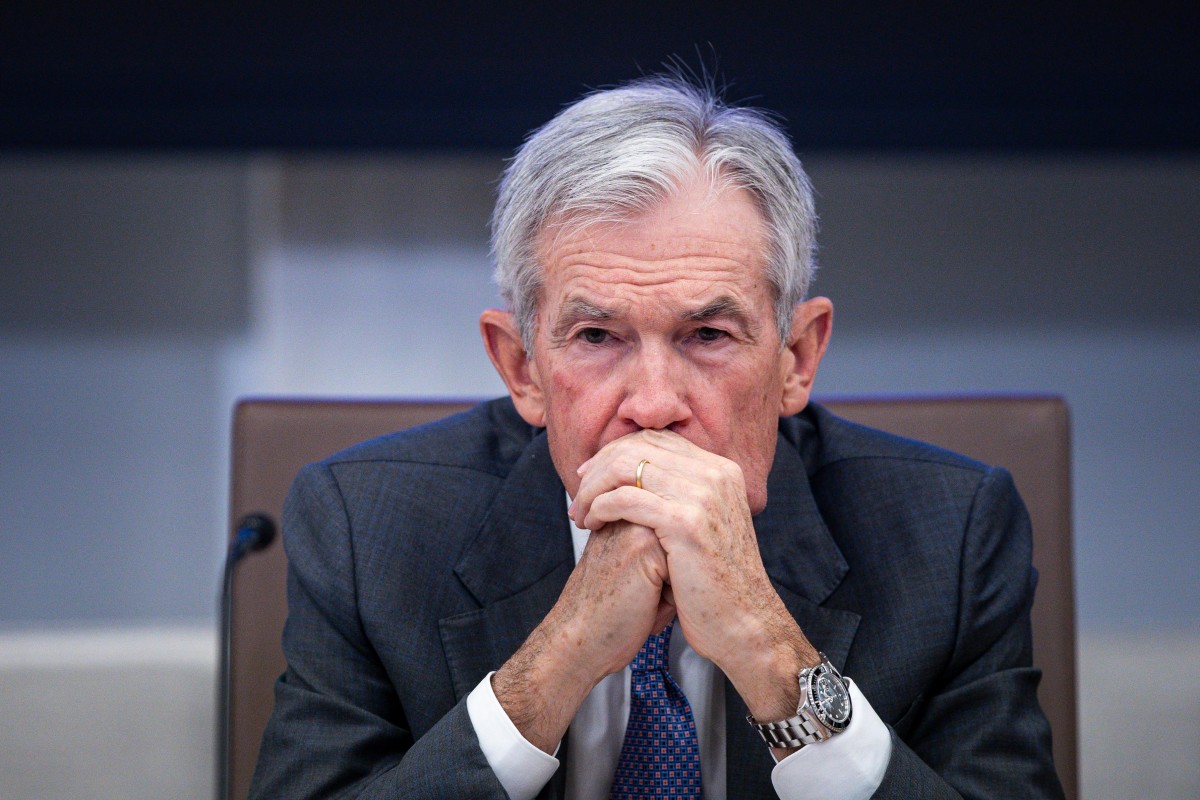
As the financial world holds its breath, Goldman Sachs has just dropped a bombshell by revising its outlook on interest rates, nudging them later by a few months, sending shockwaves through the market and leaving investors scrambling to adjust their strategies.
Key Takeaways
- Goldman Sachs has revised its interest rate outlook, delaying expected cuts by a few months.
- This change may have significant implications for markets that are conditioned to expect relief sooner.
- Lower interest rates typically support lower borrowing costs, which can have a ripple effect on the economy.
Understanding the Interest Rate Shift
At the heart of this development is the concept of interest rates, which are essentially the cost of borrowing money. When interest rates are high, borrowing becomes more expensive, and when they are low, it becomes cheaper. This mechanism is crucial for controlling
Context: Why This Matters Now
The decision by Goldman Sachs to revise its outlook on interest rates comes at a time when the economy is navigating through complex waters. Similar to the post-2008 financial crisis era, where central banks employed quantitative easing and lowered interest rates to stimulate economic recovery, today’s economic environment is seeking balance between growth and inflation control. The delay in expected rate cuts suggests that the economic recovery might be more resilient than anticipated, or that the threat of inflation is still a significant concern. This situation is reminiscent of the 2021 tech boom, where low interest rates fueled a surge in investment and growth, but also raised concerns about overheating and potential bubbles in certain sectors.
Pros and Cons for Your Portfolio
- Risk: A delay in interest rate cuts could lead to continued high borrowing costs, potentially slowing down economic growth and impacting sectors that are highly sensitive to interest rates, such as real estate and automotive.
- Opportunity: On the other hand, the delay could also be a signal of a strong economy, where growth is robust enough to withstand higher interest rates for a longer period, potentially benefiting sectors like finance and technology that thrive in low-unemployment, high-growth environments.
What This Means for Investors
For investors, this shift in outlook requires a strategic reevaluation of their portfolios. Imagine an investor who bought into the stock market anticipating a quick relief from high interest rates; they might now need to adjust their strategy to account for a longer period of higher rates. This could involve diversifying their portfolio to include assets that perform well in high-interest environments, such as short-term bonds or certain types of stocks that are less sensitive to interest rate fluctuations. Alternatively, investors could consider holding onto their current investments, betting that the eventual rate cut, when it comes, will provide a significant boost to the market. The key is to remain flexible and informed, keeping a close eye on economic indicators and central bank communications for signs of what’s to come.
Historical Precedent and Future Outlook
Historically, changes in interest rate expectations have had profound effects on the market. For instance, during the 2015-2016 period, the anticipation of rate hikes by the Federal Reserve led to significant volatility in the stock market. Similarly, the current situation, with its delayed rate cuts, presents both challenges and opportunities. Investors would do well to remember that economic trends are not always linear and that flexibility is key. By understanding the underlying factors driving the delay in interest rate cuts and adjusting their strategies accordingly, investors can better navigate these complex financial waters and position themselves for success in the evolving economic landscape.
Conclusion and Next Steps
In conclusion, the revision of interest rate outlook by Goldman Sachs is a significant development that warrants careful consideration by investors. As the economic landscape continues to evolve, staying informed about the latest developments and maintaining a strategic approach to investment will be crucial. Whether this delay in rate cuts proves to be a minor speed bump or a more significant turning point, one thing is clear: the ability to adapt and respond to changing market conditions will be the hallmark of successful investors in the months to come. By leveraging historical context, understanding the implications of interest rate shifts, and maintaining a forward-looking perspective, investors can navigate the challenges and opportunities presented by this new outlook and emerge stronger on the other side.