


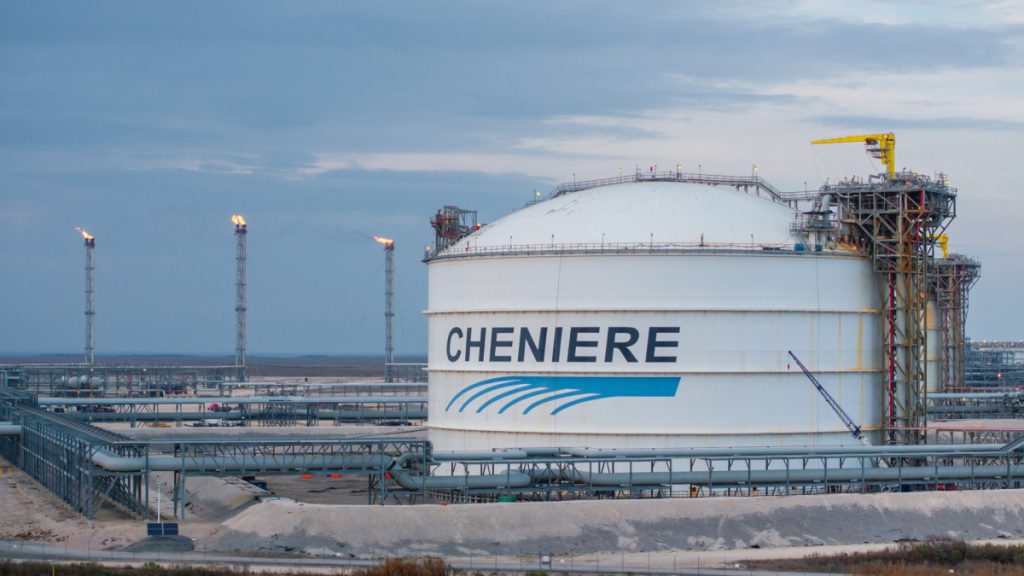
The recent closure of the Strait of Hormuz by Iran, following massive airstrikes by the U.S. and Israel, has sent shockwaves through the energy market, with crude oil and natural gas prices surging and Goldman Sachs warning of a potential energy price doubling crisis.
Key Takeaways
- The Strait of Hormuz, a critical oil chokepoint, has been closed by Iran in response to airstrikes, threatening global energy supply.
- Crude oil and natural gas prices have jumped, with potential long-term implications for the energy market and global economy.
- Investors are advised to consider the potential risks and opportunities presented by this crisis, including the impact on energy stocks and the broader market.
Deep Dive: Understanding the Crisis
The closure of the Strait of Hormuz is a significant event, as it is a vital waterway for international oil trade, with approximately 20% of the world’s oil supply passing through it. The airstrikes, which reportedly killed Iran’s Supreme Leader, have escalated tensions in the region, leading to concerns over energy supply and inflation, which works in this context by increasing the cost of production and consumption, potentially leading to higher prices for goods and services.
Imagine an investor who bought energy stocks prior to the crisis, expecting stable returns. With the sudden surge in energy prices, their investment could potentially yield higher returns, but also comes with increased volatility, making it essential to reassess their portfolio and consider hedging strategies.
Historically, similar events, such as the 1979 Iranian Revolution and the 1990 Gulf War, have led to significant increases in oil prices, with far-reaching consequences for the global economy. The current crisis has the potential to be just as disruptive, with far-reaching implications for investors, consumers, and the global economy.
Context: Why This Matters Now
The current crisis is unfolding against a backdrop of already heightened tensions in the Middle East, with ongoing conflicts in several countries and a delicate balance of power in the region. The closure of the Strait of Hormuz has the potential to exacerbate these tensions, leading to further instability and uncertainty in the energy market.
The global economy is also facing challenges, including a slowdown in growth and ongoing trade tensions, making it more vulnerable to external shocks, such as the current energy crisis. As a result, investors are advised to be cautious and consider the potential systemic risks associated with this crisis.
Pros and Cons for Your Portfolio
- Risk: The potential for higher energy prices and increased volatility in the energy market could negatively impact stocks in other sectors, such as transportation and manufacturing, which are heavily reliant on energy inputs.
- Opportunity: The surge in energy prices could also create opportunities for investors in energy stocks, particularly those with a strong track record of navigating similar crises, such as ExxonMobil or Chevron.
It is essential to weigh these pros and cons carefully, considering the overall diversification of your portfolio and the potential correlations between different asset classes, to make informed investment decisions.
What This Means for Investors
Given the potential risks and opportunities presented by this crisis, investors are advised to take a strategic and long-term view, considering the potential implications for their portfolio and the broader market. This may involve rebalancing their portfolio to minimize exposure to vulnerable sectors or hedging against potential losses.
Investors should also be prepared for increased volatility in the energy market and the potential for further geopolitical shocks, which could impact the global economy and their investments. By staying informed and adapting to changing market conditions, investors can navigate this crisis and potentially capitalize on emerging opportunities.
Ultimately, the key to success in this environment will be to remain flexible and adaptable, with a deep understanding of the complex inter relationships between different asset classes and the global economy. By taking a proactive and informed approach, investors can mitigate the risks associated with this crisis and position themselves for long-term success.

 401(k) Plans Face $2T+ IPO Crisis: What You Need to Know
 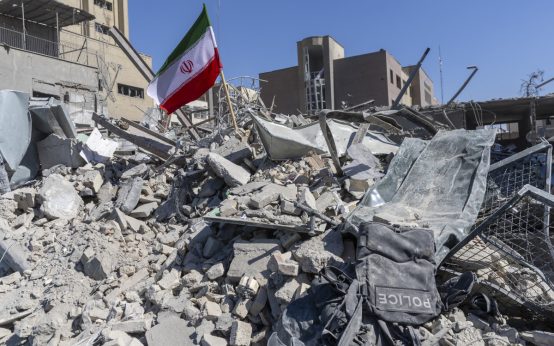 Stocks After Geopolitical Shocks: Expert Market Insights
  Dozens Laid Off as Historic Grocery Chain Closes Stores
  Bank of America Warns of Impending Economic Downturn
  Elon Musk’s Next Big Move: Record-Breaking Predictions
  Walmart’s $18 Battery Organizer Holds 104 Batteries Neatly