


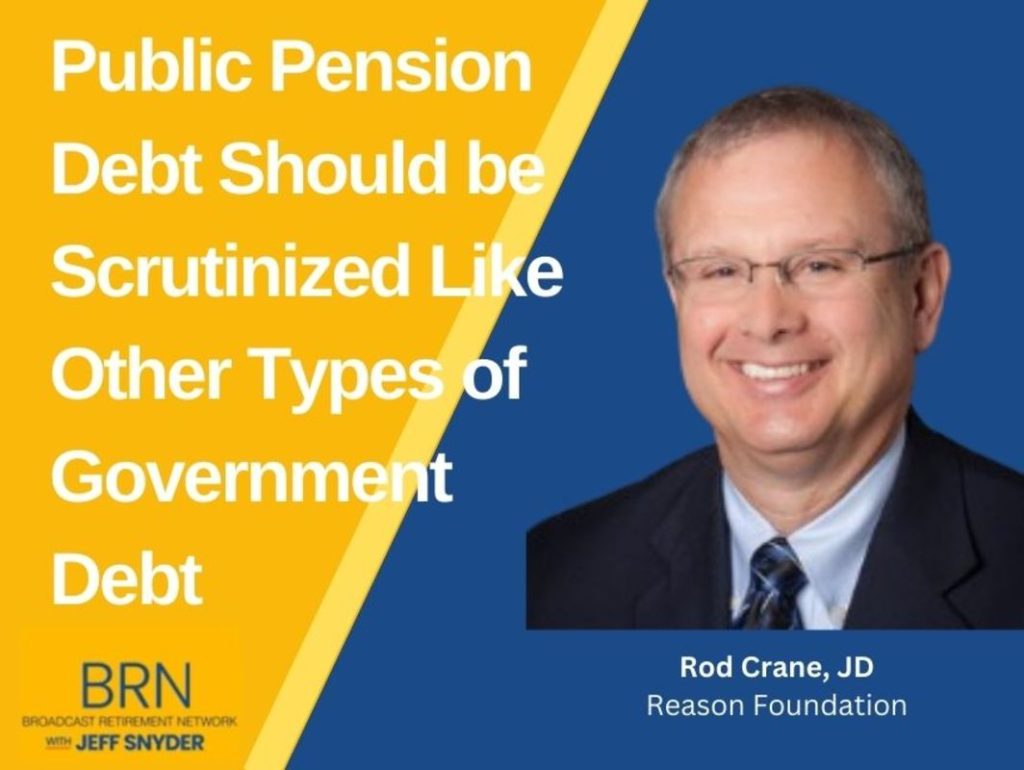
The looming threat of government debt has sparked a pressing concern among investors, particularly when it comes to public pensions, highlighting the need for closer scrutiny and a deeper understanding of the financial implications at play.
Key Takeaways
- Public pension debt is a significant component of government debt, requiring careful management to avoid fiscal crises.
- The Reason Foundation’s expertise is crucial in analyzing and addressing the challenges posed by public pension debt.
- Investors must consider the impact of public pension debt on their portfolios and overall economic stability.
Understanding Public Pension Debt: A Deep Dive
Public pension debt refers to the liabilities accumulated by governments to fund the retirement benefits of their employees. This debt is managed through various investment strategies and funding models, aiming to ensure that future pension obligations can be met. The discussion between Jeffrey Snyder of the Broadcast Retirement Network and Rod Crane from the Reason Foundation underscores the importance of prudent management of public pension debt, considering factors such as inflation, which can erode the purchasing power of pension funds over time.
Imagine an investor who has a significant portion of their portfolio allocated to government bonds or pension funds. As inflation rises, the value of these investments may decrease, potentially impacting the investor’s ability to meet their own retirement goals. This scenario illustrates the interconnectedness of public pension debt management and individual investment strategies.
Historically, similar challenges have arisen, such as during the 2008 financial crisis, when many pension funds suffered significant losses, exacerbating the funding gap and highlighting the need for robust risk management strategies. The current situation, with its low-interest rates and potential for inflation, presents a new set of challenges for public pension fund managers and investors alike.
Context: Why This Matters Now
The current economic environment, characterized by low interest rates and a potential for rising inflation, makes the management of public pension debt particularly challenging. As governments face increasing pressure to balance their budgets and meet pension obligations, the need for closer scrutiny and innovative solutions becomes more pressing. The expertise of organizations like the Reason Foundation is invaluable in this context, providing insights and recommendations for policymakers and investors.
The backdrop of a slowly recovering economy, coupled with demographic changes such as an aging population, further complicates the picture. As the population ages, the dependency ratio increases, putting additional strain on public pension systems. This underscores the urgency of addressing public pension debt through sustainable funding models and investment strategies that can withstand economic fluctuations.
Pros and Cons for Your Portfolio
- Risk: Ignoring the implications of public pension debt could expose investors to unforeseen losses, especially if pension funds are unable to meet their obligations, potentially triggering a broader financial crisis.
- Opportunity: Investors who diversify their portfolios and consider the impact of public pension debt management may find opportunities in alternative investments or in supporting initiatives that aim to stabilize public pension funds, thereby contributing to economic stability.
What This Means for Investors
Given the complexities surrounding public pension debt, investors should adopt a strategic perspective, considering both the risks and opportunities. This involves diversifying investment portfolios, staying informed about economic trends and policy changes, and potentially exploring investment options that support public pension fund stability. By taking a proactive and informed approach, investors can navigate the challenges posed by public pension debt and contribute to a more resilient financial landscape.
Ultimately, the management of public pension debt is a critical factor in maintaining economic stability and ensuring the sustainability of retirement systems. As investors, understanding the intricacies of this issue and its implications for portfolios is essential for making informed decisions and mitigating potential risks. The discussion between Jeffrey Snyder and Rod Crane serves as a reminder of the importance of ongoing scrutiny and innovative solutions in addressing the challenges of public pension debt.

 Kate Spade Spring Trend: Fringe Crossbody Bag Now 64% Off
  Vera Bradley Quilted Tote Bag on Sale for $40: 60% Off
  Hilary Duff’s Net Worth Takes Dramatic Turn: Inside Her Finances
  $31 Faux Rabbit Fur Throw Blanket: 9 Colors Available Now
  $200 Android 16 Tablet Now $99: Walmart’s Unbelievable Deal
  Cathie Wood Invests $14 Million in Top AI Stocks