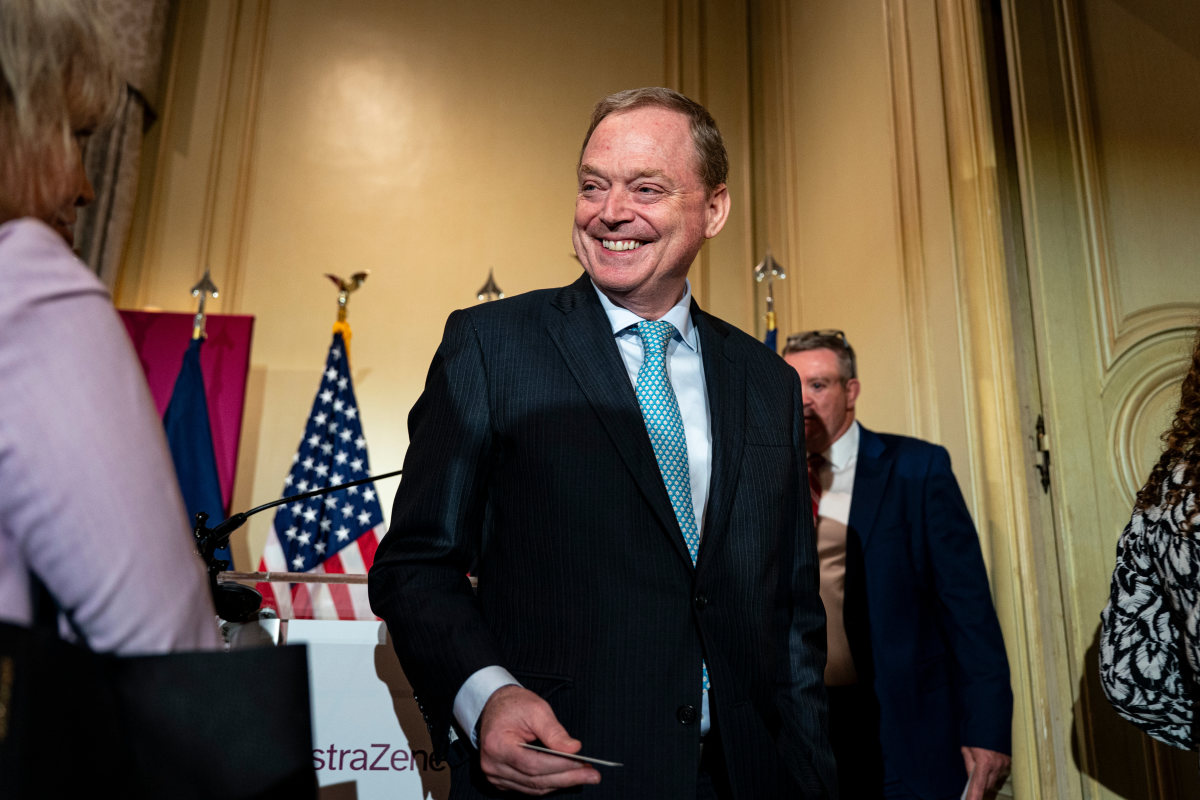
The race to become the next Federal Reserve Chair has taken an intriguing turn, with Kevin Hassett, the current White House economic adviser, facing challenges in his bid for the top spot due to his close ties with the Trump administration, leaving investors to wonder about the implications for the US economy and their investment portfolios.
Key Takeaways
- Kevin Hassett, a front-runner for the Federal Reserve Chair position, is facing obstacles due to his connections with the Trump administration.
- The Federal Reserve plays a crucial role in managing inflation and setting interest rates, which can significantly impact the overall economy and investment landscape.
- Investors are closely watching the developments, as the next Fed Chair will have a substantial influence on the direction of monetary policy and, subsequently, the markets.
Deep Dive: Understanding the Federal Reserve and Its Chair
The Federal Reserve, often referred to as the “Fed,” is the central bank of the United States, responsible for promoting maximum employment, stable prices, and moderate long-term interest rates. The Fed Chair is the chief executive of the Federal Reserve and plays a pivotal role in shaping the country’s monetary policy. Imagine an investor who bought stocks in a company that heavily relies on loans; if the Fed increases interest rates, the cost of borrowing for that company goes up, potentially affecting its profitability and, in turn, the investor’s returns.
Context: Why This Matters Now
The current economic landscape, marked by concerns over inflation and the ongoing recovery from the pandemic, makes the selection of the next Fed Chair particularly critical. Inflation, in this context, refers to the rate at which prices for goods and services are rising, affecting the purchasing power of consumers and the profitability of businesses. Historically, the Fed has used tools like interest rates to manage inflation; for instance, by raising interest rates, the Fed can reduce borrowing, cool down the economy, and curb inflationary pressures. Similar to the 2008 financial crisis, when the Fed’s actions were crucial in stabilizing the economy, the next Fed Chair will face significant challenges in navigating the current economic environment.
Pros and Cons for Your Portfolio
- Risk: If Kevin Hassett becomes the Fed Chair and his policies are perceived as too closely aligned with the Trump administration’s agenda, it could lead to increased volatility in the markets, potentially negatively impacting investment portfolios.
- Opportunity: On the other hand, a new Fed Chair with a clear vision for monetary policy could provide stability and predictability, creating opportunities for investors to capitalize on a more favorable economic environment.
What This Means for Investors
Given the uncertainty surrounding the selection of the next Fed Chair and the potential implications for monetary policy, investors should adopt a cautious yet strategic approach. It may be wise to diversify portfolios to mitigate risks associated with potential interest rate changes or shifts in economic policy. Moreover, investors should keep a close eye on developments related to the Fed Chair nomination and be prepared to adjust their investment strategies accordingly. For example, if the new Fed Chair is expected to maintain a dovish stance on interest rates, investors might consider allocating more to growth stocks or sectors that typically perform well in low-rate environments.
Historical Precedent and Future Implications
Looking back, the appointment of previous Fed Chairs has often been accompanied by market fluctuations as investors adjust to the new leadership’s anticipated policies. Similar to the 2018 market reaction to Jerome Powell’s appointment, the selection of the next Fed Chair could lead to short-term market volatility. However, it’s also an opportunity for investors to reassess their strategies and position themselves for potential long-term gains. The key for investors will be to balance short-term risk management with a long-term perspective, understanding that the Fed’s monetary policy decisions, while significant, are just one of many factors influencing the markets.
Conclusion and Looking Forward
In conclusion, the path to the Fed Chair for Kevin Hassett is fraught with challenges, primarily due to his ties with the Trump administration. As investors navigate this complex situation, they must consider both the potential risks and opportunities that arise from changes in monetary policy. By staying informed, diversifying their portfolios, and adopting a strategic approach, investors can position themselves to thrive in the evolving economic landscape. The future of the US economy and the direction of monetary policy hang in the balance, making the selection of the next Fed Chair a critical event for investors to watch closely.