


As the world grapples with an aging population and rising healthcare costs, advancements in hearing loss solutions are becoming increasingly important, with assistive technologies emerging as a crucial sector for investors to watch, particularly in the context of healthcare innovation.
Key Takeaways
- The hearing loss solutions market is experiencing significant growth due to advancements in technology and an aging population.
- Assistive technologies, such as hearing aids and cochlear implants, are becoming more sophisticated and accessible.
- Investors should consider the potential impact of demographic trends and healthcare policy on this sector.
Hearing Loss Solutions: A Deep Dive
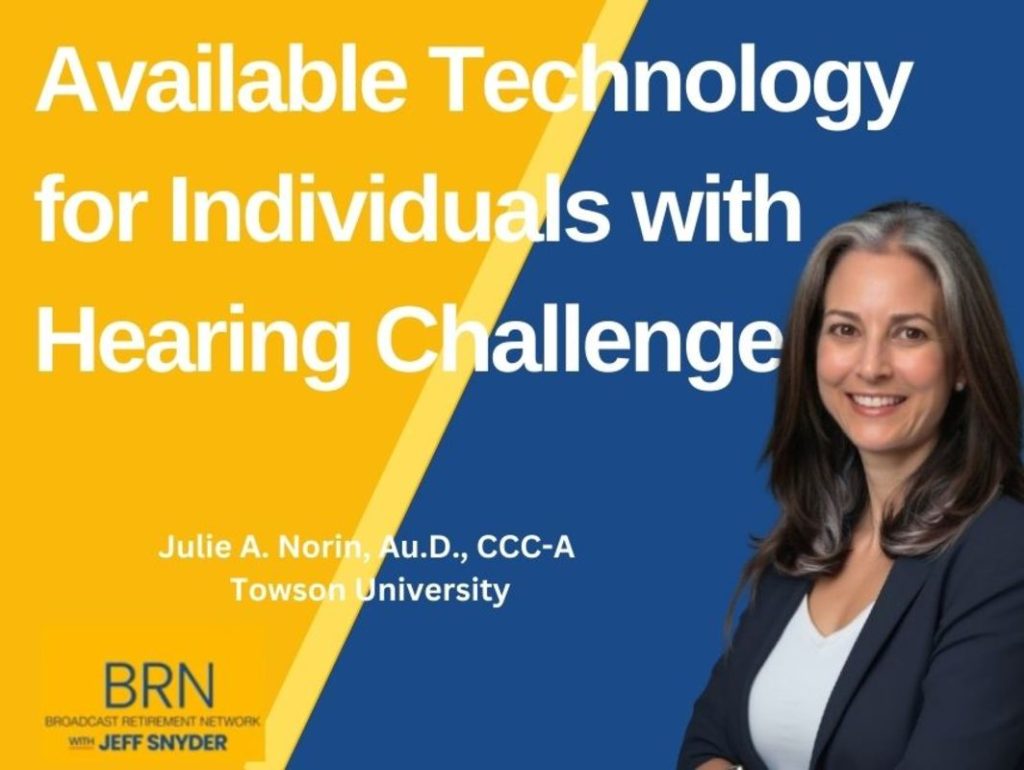
The discussion between Jeffrey Snyder of the Broadcast Retirement Network and Dr. Julie A. Norin, Au.D., CCC-A, from Towson University, highlights the rapid advancements in assistive technologies designed to help individuals with partial or full hearing loss. These technologies range from basic hearing aids to more complex solutions like cochlear implants and bone-anchored hearing aids, which are transforming the lives of millions of people worldwide.
Imagine an investor who has been following the biotechnology sector, noticing the significant advancements in medical devices and treatments. This investor might be interested in exploring companies that specialize in hearing loss solutions, considering the potential for long-term growth driven by demographic trends and innovation.
Context: Why This Matters Now
The current focus on hearing loss solutions is not just about addressing a specific health issue; it’s also about understanding the broader economic and demographic factors at play. Similar to the 2008 crash, which highlighted the importance of diversification in investment portfolios, the COVID-19 pandemic has underscored the need for innovative healthcare solutions, including those for hearing loss. Like the 2021 tech boom, which saw significant investments in healthcare technology, the hearing loss solutions sector is attracting attention for its potential for high returns and social impact.
The rising demand for these solutions is partly driven by an aging population and increased awareness about hearing health. As people live longer, the prevalence of age-related hearing loss is expected to increase, creating a larger market for assistive technologies. Furthermore, advancements in medical technology are making these solutions more effective and accessible, which in turn is driving down costs and making them more attractive to a wider audience.
Pros and Cons for Your Portfolio
- Risk: Investing in the hearing loss solutions sector comes with the risk of regulatory changes affecting the profitability of companies in this space. For instance, changes in healthcare policy or reimbursement rates for medical devices could impact sales and revenue.
- Opportunity: On the other hand, the potential for long-term growth is significant, driven by demographic trends and the continuous advancement of technology. Companies that can innovate and adapt to changing consumer needs and preferences are likely to see substantial returns on investment.
What This Means for Investors
For investors considering the hearing loss solutions sector, it’s essential to take a strategic perspective, focusing on companies that demonstrate innovation and a commitment to research and development. Given the potential for long-term growth, a buy-and-hold strategy might be appealing, allowing investors to ride out market fluctuations while benefiting from the sector’s upward trend. However, it’s also crucial to maintain a diversified portfolio to mitigate risks associated with any single sector or investment.
Investors should keep an eye on market trends and regulatory environments, as these can significantly impact the profitability of companies in the hearing loss solutions sector. By staying informed and adapting investment strategies accordingly, investors can capitalize on the opportunities presented by this growing market while managing potential downsides.

 55-Inch Amazon Fire TV: $180 Discount for Smooth Streaming
  AT&T Finalizes Major Acquisition to Regain Customer Base
  Ford F-150 Transmission Issues: NHTSA Investigation Expanded
  Amazon’s Super Soft $26 Throw Blanket Now $18 Limited Time Offer
  American Airlines Bets Big on Canada Travel Boom
  50-Year Tech Giant Surprises Investors With 2026 Dividend Boost