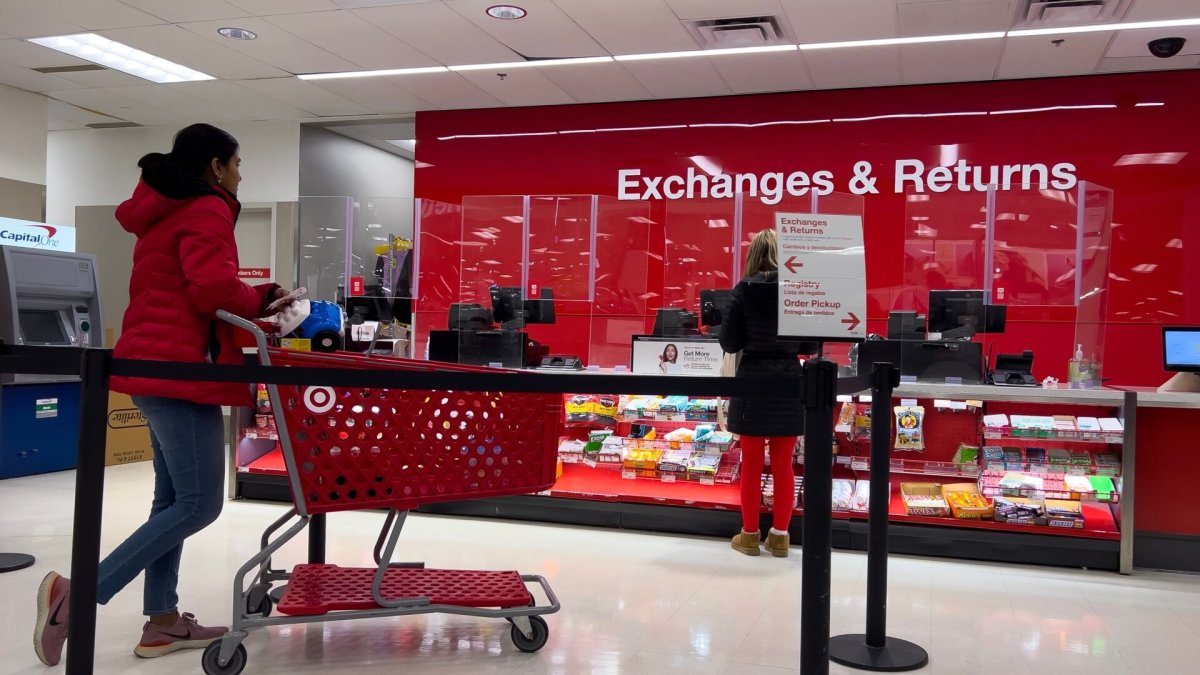
As the holiday season comes to a close, retailers such as Best Buy, Macy’s, and Kohl’s are implementing return fees, highlighting the challenges retailers face in managing returns and the potential impact on their bottom line, as well as the broader implications for inflation and consumer spending.
Key Takeaways
- Retailers are introducing return fees to minimize losses from returned items.
- The cost of processing returns, including manpower and potential restocking fees, can be significant for retailers.
- This trend may reflect a shift in retail strategy to balance customer satisfaction with the need to maintain profitability in a competitive market.
Deep Dive: The Retail Return Conundrum
Retailers like Best Buy, Macy’s, and Kohl’s are facing a common dilemma: how to handle returns without incurring significant losses. The process of returning an item, whether it can be resold or returned to a vendor, comes with costs. For instance, imagine a customer purchasing a high-end electronic device from Best Buy during the holiday season, only to return it a week later because it doesn’t meet their expectations. Best Buy would then need to assess the condition of the item, potentially restock it, and handle the customer service aspect of the return, all of which require manpower and resources.
This issue is not new; it has been a challenge for retailers for years. Similar to the post-holiday return rushes seen in previous years, retailers are now looking for ways to mitigate these costs. By introducing return fees, these retailers aim to discourage unnecessary returns and encourage customers to make more informed purchasing decisions. However, this strategy must be balanced against the risk of alienating customers, who may view return fees as an additional expense or an inconvenience.
Context: Why This Matters Now
The current economic climate, marked by rising inflation and shifts in consumer behavior, makes the management of returns particularly crucial for retailers. As consumers become more price-sensitive and discerning in their purchasing decisions, the flexibility and customer service offered by retailers, including their return policies, can be a significant differentiator. The introduction of return fees by major retailers like Best Buy, Macy’s, and Kohl’s reflects an effort to navigate these challenges while maintaining profitability. Historically, similar strategies have been employed during periods of economic uncertainty, such as the 2008 financial crisis, where retailers had to adapt quickly to changing consumer behaviors and economic conditions.
Moreover, the rise of e-commerce has complicated the return process, as customers may not have the opportunity to physically interact with products before purchasing them. This has led to an increase in returns, further emphasizing the need for retailers to manage this aspect of their business efficiently. The trend towards implementing return fees is part of a broader effort by retailers to optimize their operations, reduce costs, and enhance the overall customer experience, all of which are critical in today’s competitive retail landscape.
Pros and Cons for Your Portfolio
- Risk: The introduction of return fees could lead to customer dissatisfaction, potentially affecting sales and profitability for retailers like Best Buy, Macy’s, and Kohl’s. Investors should consider the potential impact on these companies’ stock performance and the broader retail sector.
- Opportunity: For investors, this trend could signal a shift towards more sustainable and profitable business models in retail. Companies that successfully balance customer satisfaction with efficient return management may see benefits in terms of reputation, customer loyalty, and ultimately, their bottom line. This could present investment opportunities in retailers that adapt effectively to changing consumer behaviors and economic conditions.
What This Means for Investors
Investors should closely monitor how the introduction of return fees by retailers like Best Buy, Macy’s, and Kohl’s affects consumer behavior and the companies’ financial performance. This strategy, while aimed at reducing costs associated with returns, could have broader implications for customer satisfaction, sales, and ultimately, the stock prices of these retailers. A strategic approach for investors might involve evaluating the resilience and adaptability of retailers in the face of changing consumer behaviors and economic conditions. By doing so, investors can make informed decisions about their investments in the retail sector, considering both the potential risks and opportunities presented by this trend.
Furthermore, the impact of return fees on consumer spending and inflation should not be overlooked. As consumers face additional costs for returning items, they may become more cautious in their purchasing decisions, potentially leading to a decrease in overall consumer spending. This, in turn, could have broader economic implications, including effects on inflation rates and economic growth. Investors should consider these factors when assessing the potential impact of return fees on their portfolios and the economy as a whole.