


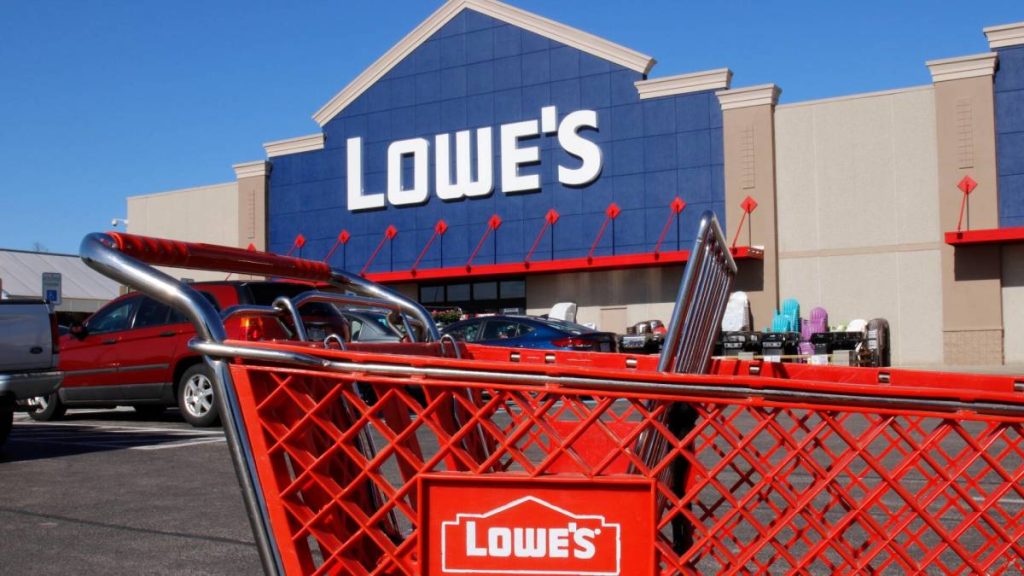
The home improvement retail battle is heating up, with Lowe’s gaining ground on its top rival, Home Depot, as shoppers shift their behavior in response to changing market conditions, particularly in the wake of
Key Takeaways
- Lowe’s is closing the gap with Home Depot in a key area, suggesting a potential shift in market share.
- Changing shopper behavior is driving this shift, likely due to economic factors such as inflation and consumer spending habits.
- The home improvement retail sector is highly competitive, with both companies vying for market dominance.
Home Depot vs Lowe’s: A Deep Dive
The home improvement retail sector is a significant part of the US economy, with Home Depot and Lowe’s being the two major players. Home Depot, with its larger market share, has traditionally been the leader, but Lowe’s has been working to close the gap. The recent shift in shopper behavior, with Lowe’s gaining ground, suggests that the company’s strategies may be paying off. Imagine an investor who bought Home Depot stock a year ago, expecting the company to continue its dominance; now, they may be reconsidering their investment as Lowe’s gains momentum.
Context: Why This Matters Now
The current economic climate, marked by inflation, is likely a significant factor in the shift in shopper behavior. As prices rise, consumers become more price-sensitive and look for better value, which could be benefiting Lowe’s. Similar to the 2008 crash, when consumers became more frugal and sought out discounts, the current market conditions may be driving shoppers to reevaluate their spending habits. Additionally, the rise of online shopping and the importance of omnichannel retail experiences are also playing a role in the home improvement retail battle.
Economic Factors at Play
The US economy is experiencing a period of inflation, which works by eroding the purchasing power of consumers as prices rise. In the context of home improvement retail, this means that shoppers are looking for ways to save money, whether through discounts, promotions, or by choosing lower-priced options. As a result, retailers like Lowe’s and Home Depot must adapt their strategies to meet the changing needs of their customers.
Pros and Cons for Your Portfolio
- Risk: Investing in Home Depot or Lowe’s carries the risk of market share loss or decreased sales if the company fails to adapt to changing shopper behavior.
- Opportunity: On the other hand, investing in the right company at the right time could provide significant returns, particularly if the company is well-positioned to capitalize on the shift in shopper behavior.
Strategic Considerations
When evaluating the pros and cons of investing in Home Depot or Lowe’s, it’s essential to consider the companies’ strategic positions. For example, Home Depot’s larger market share and established brand may provide a competitive advantage, but Lowe’s focus on customer experience and omnichannel retail may help the company to attract price-sensitive shoppers. Investors should weigh these factors carefully and consider their own investment goals and risk tolerance.
What This Means for Investors
Given the current market conditions and the shift in shopper behavior, investors should take a closer look at both Home Depot and Lowe’s. While Home Depot’s dominant market position is still a significant advantage, Lowe’s gains in a key area suggest that the company may be poised for growth. Investors may consider a diversification strategy, investing in both companies to spread risk and potentially benefit from the ongoing competition in the home improvement retail sector. Ultimately, the key to success will be to stay informed and adapt to changing market conditions, as the retail battle between Home Depot and Lowe’s continues to evolve.
As the market continues to shift, investors should keep a close eye on both companies’ performances, looking for signs of strength or weakness. By doing so, they can make informed investment decisions and potentially capitalize on the opportunities presented by the home improvement retail battle. Whether you’re a seasoned investor or just starting out, it’s essential to stay up-to-date on the latest developments in the market and be prepared to adjust your strategy as needed.

 Walmart’s $189 Open-Ear Headphones Now $30: Limited Time Offer
  AMC Unveils Exclusive Loyalty Perk Amid Financial Struggles
  Unbeatable $53 Android Tablet: Easy Setup for All
  Effective Strategies for Delivering Personalized Care
  Italian Restaurant Chain Closes Last Locations After Decades
  Top-Rated GPS Smartwatch Now $40: Amazon Sale