


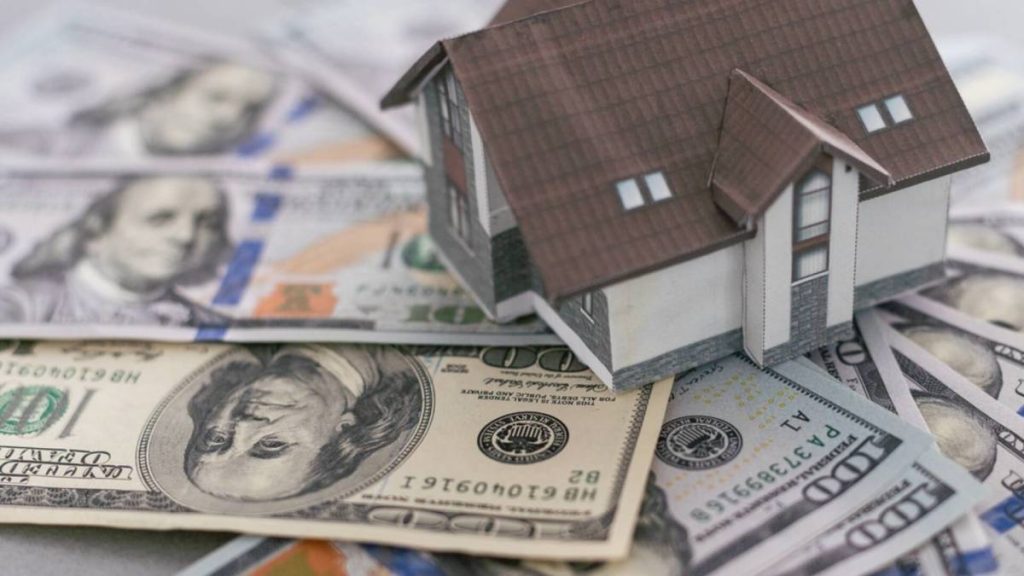
As the housing market continues to navigate the challenges of higher interest rates, J.P. Morgan’s 2026 housing outlook is forecasting that 30-year fixed mortgage rates will remain elevated at 6% or higher, dampening hopes for a quick return to sub-3% mortgages and bargain-basement prices.
Key Takeaways
- J.P. Morgan expects 30-year fixed mortgage rates to stay elevated at 6% or higher in 2026.
- This forecast is based on the assumption that the Federal Reserve will begin easing policy later this year.
- The bank’s outlook suggests that homebuyers and investors may need to adjust their expectations for mortgage rates and housing prices.
Mortgage Rates and the Housing Market: A Deep Dive
The recent forecast from J.P. Morgan highlights the ongoing impact of higher interest rates on the housing market. With 30-year fixed mortgage rates expected to remain above 6%, the dream of securing a mortgage at 3% or lower seems increasingly unlikely in the near term. This has significant implications for homebuyers, investors, and the broader economy, as higher mortgage rates can reduce demand for housing and slow down economic growth.
Imagine an investor who bought a rental property in 2020, when mortgage rates were near historic lows. If this investor were to refinance their mortgage now, they would face significantly higher interest rates, potentially increasing their monthly mortgage payments and reducing their cash flow. This scenario illustrates the challenges that higher mortgage rates can pose for investors and homeowners alike.
Historically, the housing market has been sensitive to changes in interest rates. Similar to the 2008 crash, when the housing market collapsed due to a combination of factors including subprime lending and excessive speculation, today’s market is navigating a complex environment of higher rates and elevated prices. However, unlike the 2008 crisis, the current market is characterized by stricter lending standards and a more resilient economy, which may help mitigate the impact of higher mortgage rates.
Context: Why This Matters Now
The current economic environment is marked by high inflation, which has led to a series of interest rate hikes by the Federal Reserve. Inflation, which is a sustained increase in the general price level of goods and services in an economy, has been running above the Fed’s target rate of 2% for some time. As a result, the Fed has been raising interest rates to combat inflation and prevent the economy from overheating. This has had a direct impact on mortgage rates, which have increased significantly over the past year.
The Federal Reserve’s decision to raise interest rates has been driven by concerns about inflation and the need to maintain economic stability. While higher interest rates can help reduce inflation, they can also increase the cost of borrowing for consumers and businesses, which can slow down economic growth. In this context, J.P. Morgan’s forecast of elevated mortgage rates in 2026 suggests that the housing market will continue to face headwinds in the coming year.
Pros and Cons for Your Portfolio
- Risk: Higher mortgage rates can reduce demand for housing, leading to lower property values and reduced returns on investment for real estate investors.
- Opportunity: For investors who are looking to buy or refinance a property, locking in a mortgage rate now may be a good strategy, as rates are expected to remain elevated in the coming year. Additionally, the current market environment may present opportunities for investors to buy properties at discounted prices, particularly if they are able to negotiate favorable terms.
What This Means for Investors
In light of J.P. Morgan’s forecast, investors should consider a strategic approach to their real estate investments. This may involve locking in a mortgage rate now, rather than waiting for rates to potentially come down in the future. Additionally, investors should be cautious about the potential risks associated with higher mortgage rates, including reduced demand for housing and lower property values. By taking a disciplined and informed approach to real estate investing, investors can navigate the challenges of the current market and position themselves for long-term success.
For homebuyers, the forecast of elevated mortgage rates in 2026 suggests that it may be wise to consider purchasing a home sooner rather than later, as higher rates can increase the cost of borrowing and reduce affordability. However, homebuyers should also be mindful of the potential risks associated with buying a home in a market with high prices and elevated interest rates, and should carefully consider their financial situation and goals before making a decision.

 REI’s $3,199 Electric Bike Now 40% Off: 5-Star Ride
  DirecTV Expands Channel Lineup After Major Subscriber Loss
  Android 14 Tablet on Sale: Walmart’s $82 Bargain Reviewed
  Beloved Family Restaurant Chain Now on Brink of Collapse with Only 3 Locations Left
  Legacy Liquor Brand Faces Chapter 7 Liquidation Crisis
  Coach Outlet’s Timeless 14-Inch Tote Bag Now 58% Off