


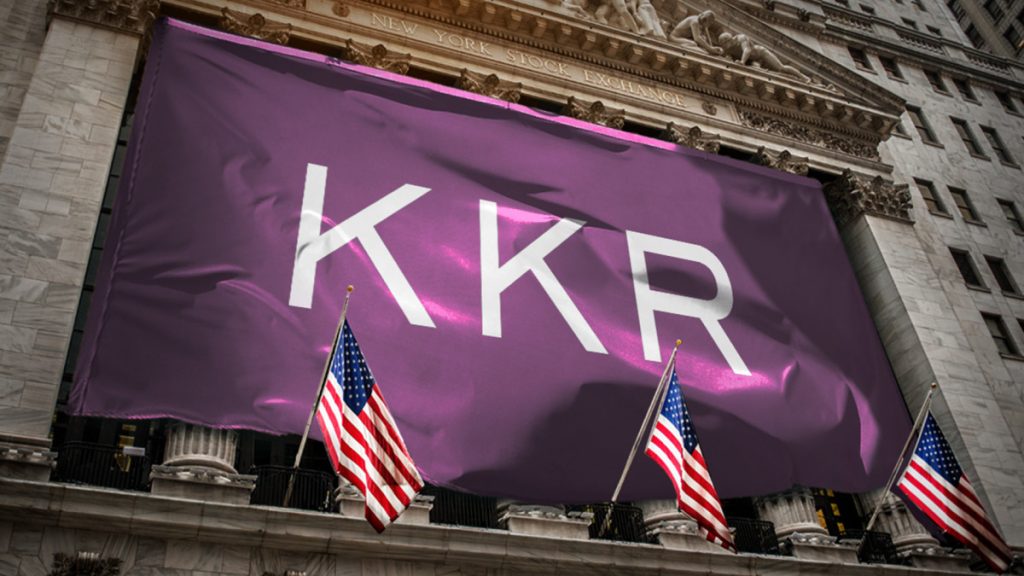
As the financial world grapples with the integration of artificial intelligence (AI) and its impact on traditional assets, a significant move by KKR insiders to invest $46 million in their own company’s stock signals a strategic shift towards AI-resistant assets, potentially altering the investment landscape for years to come.
Key Takeaways
- KKR executives, including Co-CEOs Scott Nuttall and Joe Bae, have recently purchased approximately $46 million in KKR shares, as disclosed in SEC filings.
- This move indicates a vote of confidence by KKR’s leadership in the company’s ability to adapt and thrive in an environment increasingly influenced by AI.
- The investment highlights a broader trend in the financial sector towards assets and strategies that are less vulnerable to disruption by AI and automation.
KKR’s Strategic Investment: A Deep Dive
KKR’s decision to have its insiders invest a substantial amount in the company’s own stock can be seen as a strategic move to not only demonstrate confidence in the company’s future prospects but also to potentially shield against the risks associated with AI-driven market volatility. This investment strategy suggests that KKR is focusing on building a portfolio that includes assets less susceptible to the disruptive forces of AI, such as certain real estate investments, infrastructure projects, and private equity deals in industries that are less likely to be automated.
Understanding AI-Resistant Assets
AI-resistant assets refer to investments that are less likely to be negatively impacted by the integration of artificial intelligence into various sectors. These can include human-centric services, creative industries, and sectors that require a high level of human interaction and empathy, such as healthcare and education. By shifting towards these assets, KKR aims to mitigate the risks associated with AI disruption and position itself for long-term growth.
Context: Why This Matters Now
The current economic environment, characterized by rapid technological advancements and the increasing presence of AI in financial markets, necessitates a strategic reevaluation of investment portfolios. The move by KKR insiders to invest in their own stock reflects an understanding of this new landscape and an attempt to capitalize on the opportunities it presents. Historically, similar shifts in technological paradigms have led to significant changes in investment strategies, with those adapting quickly often gaining a competitive edge.
Historical Precedents and Future Implications
Similar to the dot-com bubble of the early 2000s and the subsequent shift towards more stable assets, the current AI-driven market evolution requires investors to be proactive in managing their portfolios. The future implications of this shift are profound, potentially leading to a redefinition of what constitutes a ‘safe’ or ‘high-growth’ investment. As AI continues to influence various sectors, the ability to identify and invest in AI-resistant assets will become increasingly crucial for maintaining portfolio health and achieving long-term financial goals.
Pros and Cons for Your Portfolio
- Risk: Investing in AI-resistant assets may come with the risk of missing out on potential high-growth opportunities in tech and AI-related sectors. Additionally, the process of identifying truly AI-resistant assets can be complex and may require significant research and due diligence.
- Opportunity: On the other hand, shifting towards AI-resistant assets can provide a hedge against market volatility caused by AI disruption, offering a more stable foundation for long-term investment strategies. This approach can also uncover unique growth opportunities in sectors that are less susceptible to automation.
What This Means for Investors
For investors, KKR’s move serves as a signal to reassess their own portfolios in light of the evolving AI landscape. It may be prudent to consider diversifying investments to include a mix of traditional assets and those that are less vulnerable to AI disruption. This strategic diversification can help mitigate risks and position portfolios for resilience and growth in a future where AI plays an increasingly prominent role. As with any investment strategy, a balanced approach that considers both the potential risks and opportunities of AI-resistant assets is key to making informed decisions.
Actionable Advice for Investors
Investors should consider conducting a thorough review of their current portfolio to identify areas that may be heavily exposed to AI disruption. This review should be followed by a strategic rebalancing to include investments in sectors that are less likely to be automated, such as healthcare, education, and certain types of real estate and infrastructure projects. Moreover, staying informed about the latest developments in AI and its impact on various sectors is crucial for making timely and informed investment decisions.

 Retirement Risks: The Unseen Costs of Playing It Safe
  Cathie Wood Snaps Up $27M Worth of Oversold Tech Stocks
  Morgan Stanley Spots 7 Risks: How Politics Impact Investments
  BJ’s Wholesale Launches Aggressive Strategy to Attract Shoppers
  Gold Price Plummets: Expert Warning for Investors
  Kate Spade Crossbody Bag On Sale: 500+ Perfect Reviews for $79