


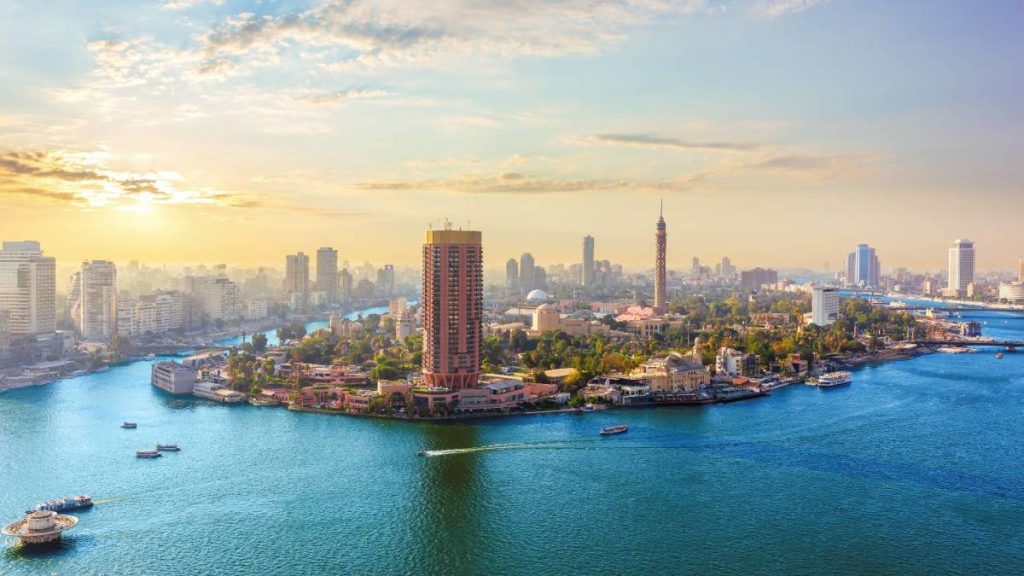
As the travel industry faces severe disruption following the joint U.S.-Israeli strike on Iran, Egypt’s tourism sector is showing remarkable resilience, attracting the attention of airlines and hotel operators with a record 19 million tourists in 2025, and Mandarin Oriental’s bold move is set to further revitalize Egyptian tourism.
Key Takeaways
- Egypt saw a record 19 million tourists in 2025, despite travel disruptions in the Middle East.
- Mandarin Oriental’s investment in Egypt is a significant vote of confidence in the country’s tourism sector.
- The growth of Egyptian tourism has implications for airlines, hotel operators, and investors looking to capitalize on the trend.
Mandarin Oriental’s Bold Move: Revitalizing Egyptian Tourism
Mandarin Oriental, a renowned luxury hotel operator, has made a bold move into the Egyptian market, recognizing the country’s vast potential for tourism growth. With its rich history, cultural heritage, and natural beauty, Egypt is an attractive destination for travelers from around the world. The country’s tourism sector has been growing steadily, with a record 19 million tourists visiting in 2025, and Mandarin Oriental’s investment is expected to further boost the sector.
The move by Mandarin Oriental is not surprising, given the company’s track record of investing in emerging markets with high growth potential. By establishing a presence in Egypt, the company is well-positioned to capitalize on the country’s growing tourism industry, which is expected to continue to attract visitors from around the world. Imagine an investor who bought into the Egyptian tourism sector a few years ago; they would have seen significant returns on their investment, and Mandarin Oriental’s move is likely to further drive growth in the sector.
Historically, the Egyptian tourism sector has been resilient, with the country’s rich cultural heritage and natural beauty continuing to attract visitors despite periodic disruptions. Similar to the 2011 Arab Spring, which had a significant impact on tourism in the region, the current travel disruptions in the Middle East are likely to be temporary, and Egypt’s tourism sector is well-positioned to bounce back. The growth of the sector is also driven by government initiatives to promote tourism, including investments in infrastructure and marketing campaigns.
Context: Why This Matters Now
The current geopolitical tensions in the Middle East have significant implications for the tourism sector, with many countries in the region facing severe disruption. However, Egypt’s tourism sector has been resilient, and the country’s government has been working to promote tourism, including investing in infrastructure and marketing campaigns. The inflation rate in Egypt has also been relatively stable, which has helped to keep costs under control for tourists, making the country an attractive destination for travelers.
The growth of the Egyptian tourism sector is also driven by demographic trends, including a growing middle class in emerging markets, which is driving demand for travel and tourism. The sector is also benefiting from technological advancements, including the growth of online booking platforms, which are making it easier for travelers to plan and book their trips. The current situation is similar to the 2021 tech boom, where technological advancements drove growth in the sector, and investors who recognized the trend early were able to capitalize on the growth.
Pros and Cons for Your Portfolio
- Risk: Investing in the Egyptian tourism sector is not without risks, including the potential for further geopolitical disruptions, which could impact tourist numbers and revenue. Additionally, the sector is highly competitive, with many established players, which could make it challenging for new entrants to gain market share.
- Opportunity: The growth of the Egyptian tourism sector presents a significant opportunity for investors, including the potential for high returns on investment, driven by the growing demand for travel and tourism. The sector is also benefiting from government initiatives to promote tourism, which is expected to drive growth in the sector.
What This Means for Investors
For investors looking to capitalize on the growth of the Egyptian tourism sector, there are several strategies to consider. One approach is to invest in hotel operators, such as Mandarin Oriental, which are well-positioned to benefit from the growing demand for tourism in the country. Alternatively, investors could consider investing in airlines, which are also likely to benefit from the growth in tourist numbers. Imagine an investor who diversified their portfolio by investing in a combination of hotel operators and airlines; they would be well-positioned to capitalize on the growth of the sector, while also minimizing their risk.
Overall, the growth of the Egyptian tourism sector presents a significant opportunity for investors, driven by the country’s rich cultural heritage, natural beauty, and government initiatives to promote tourism. While there are risks associated with investing in the sector, including the potential for further geopolitical disruptions, the potential for high returns on investment makes it an attractive option for investors looking to capitalize on emerging trends. As with any investment, it is essential to conduct thorough research and due diligence before making a decision, and to consider a long-term perspective, as the growth of the sector is likely to be driven by demographic and technological trends that will play out over several years.

 Spring Sale: Walmart’s 3-Piece Rocking Chair Patio Set Now $170
  Major Airlines Suddenly Ban Popular Tech Device Now
  Spring Ready: 3-Piece Rocking Chair Patio Set for $60
  Millions Face Higher Federal Student Loan Payments Ahead
  Amazon’s $80 Indoor Security Camera Now $20
  JPMorgan Slashes AI Dividend Stock Price Target: What’s Next