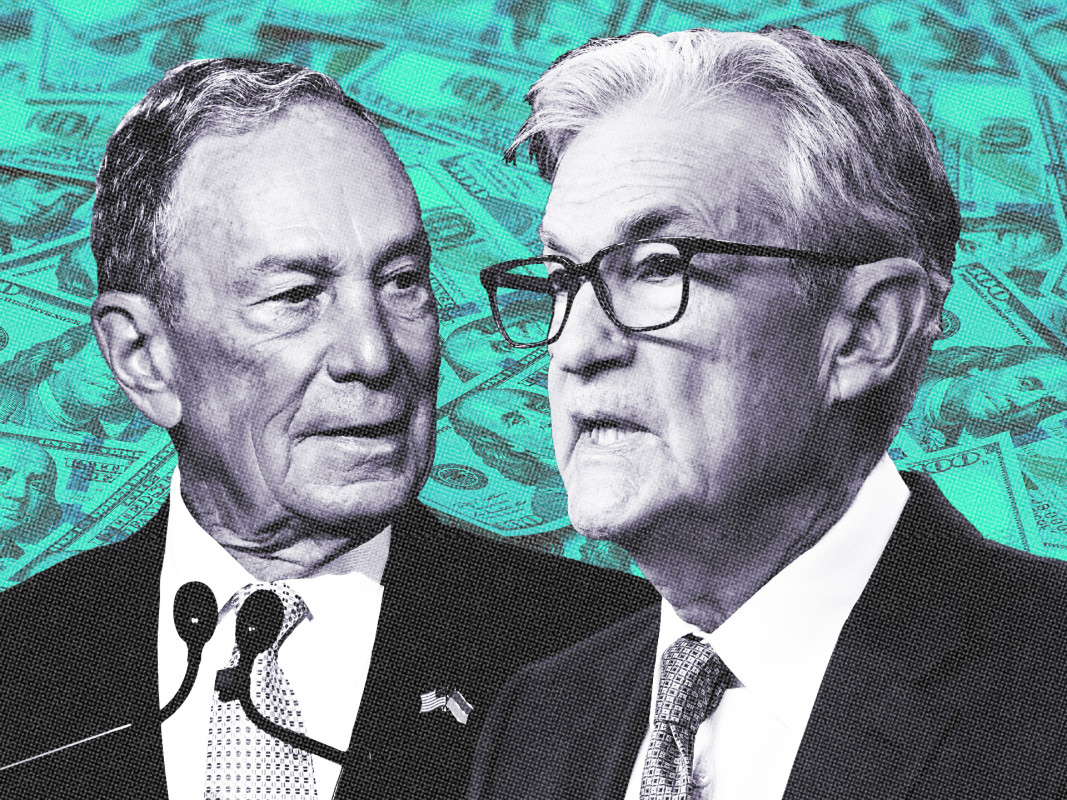
The recent warning from Michael Bloomberg about an impending economic shift has sent ripples through the financial community, as the billionaire and founder of Bloomberg LP expresses concern over the White House’s pressure on the Federal Reserve to lower interest rates, a move that could have significant implications for the economy and investors alike.
Key Takeaways
- The White House is escalating pressure on the Federal Reserve to lower interest rates, a move that could stimulate economic growth but also risks inflation, which is a sustained increase in the general price level of goods and services in an economy over time.
- Michael Bloomberg, a well-known figure in the financial world, has expressed concern over this development, indicating that an economic shift may be on the horizon.
- The situation is prompting investors to reevaluate their portfolios and consider the potential impacts of such a shift on their investments, including the possibility of market volatility and changes in the value of their assets.
Deep Dive into the Economic Shift
The warning from Michael Bloomberg comes at a time when the global economy is already facing numerous challenges, including trade tensions, geopolitical uncertainty, and slowing economic growth in several key regions. The pressure from the White House on the Federal Reserve to lower interest rates is aimed at mitigating some of these effects by making borrowing cheaper and thus stimulating economic activity. However, this strategy also carries the risk of overheating the economy, which could lead to inflation, a scenario where the general price level of goods and services increases, potentially eroding the purchasing power of consumers and the value of savings.
Imagine an investor who has a significant portion of their portfolio in bonds. If interest rates are lowered, the value of existing bonds with higher interest rates may increase, but the overall return on new bond investments could be lower, potentially affecting the investor’s income stream. This scenario illustrates the complex nature of the economic shift and the need for investors to carefully consider their investment strategies in response to changing economic conditions.
Context: Why This Matters Now
The current situation bears some resemblance to historical events, such as the 2008 financial crisis, where the Federal Reserve implemented expansionary monetary policies, including lowering interest rates, to stimulate economic recovery. However, the context today is different, with the global economy facing unique challenges such as the COVID-19 pandemic and significant geopolitical tensions. The combination of these factors and the pressure to lower interest rates creates a complex landscape for economic policymakers and investors to navigate.
Historically, lowering interest rates has been a tool used by central banks to boost economic growth. However, it can also lead to increased borrowing, potentially resulting in higher levels of debt and increased financial risk. Furthermore, in an environment where economic growth is already robust, lowering interest rates could exacerbate asset bubbles, where the price of assets such as stocks or real estate increases beyond their fundamental value, leading to a potential crash when these bubbles burst.
Pros and Cons for Your Portfolio
- Risk: One of the primary risks associated with an economic shift prompted by lowering interest rates is the potential for inflation, which could erode the purchasing power of consumers and decrease the value of fixed-income investments. Additionally, the possibility of market volatility could lead to significant fluctuations in the value of stocks and other investments, making it challenging for investors to predict outcomes and make informed decisions.
- Opportunity: On the other hand, lower interest rates could provide an opportunity for investors to borrow at cheaper rates and invest in projects or assets that offer potentially higher returns, such as stocks or real estate. Furthermore, a stimulated economy could lead to increased corporate earnings, potentially boosting the stock market and providing investors with higher returns on their equity investments.
What This Means for Investors
In light of Michael Bloomberg’s warning and the potential economic shift, investors should consider adopting a cautious yet proactive approach to managing their portfolios. This could involve diversifying investments across different asset classes to mitigate risk, keeping a close eye on economic indicators and policy decisions, and being prepared to adjust investment strategies as the economic landscape evolves. Additionally, investors may want to consider inflation-protected investments, such as Treasury Inflation-Protected Securities (TIPS), or assets that historically perform well in low-interest-rate environments, such as dividend-paying stocks or real estate investment trusts (REITs).
Ultimately, the key to navigating this complex economic environment will be staying informed, being adaptable, and maintaining a long-term perspective. By doing so, investors can position themselves to capitalize on the opportunities presented by an economic shift while minimizing the potential downsides. As the situation continues to unfold, it will be crucial for investors to remain vigilant and responsive to changes in the economic and financial landscape.